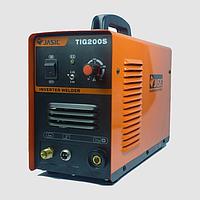
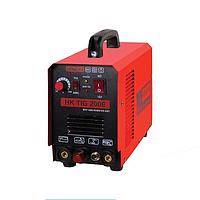
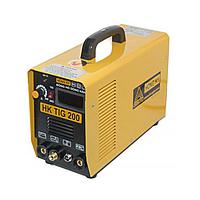
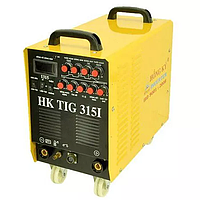
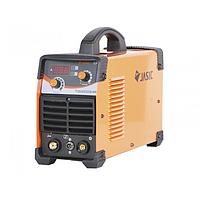
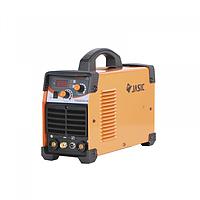
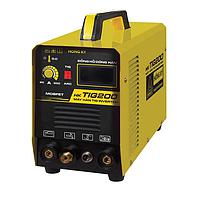
Tig Welding Machine
Clean weld appearance, stable arc control, and better results on thin materials are some of the main reasons fabricators and maintenance teams choose Tig Welding Machine solutions for demanding work. This welding process is widely used when operators need precise heat input, reduced spatter, and a finish that requires less rework after welding.
On this page, you can explore TIG welding equipment for different operating environments, from compact single-phase units for lighter workshop tasks to higher-output three-phase machines for heavier industrial use. The range also includes supporting accessories and torches, helping buyers evaluate not only the power source but also the surrounding welding setup.
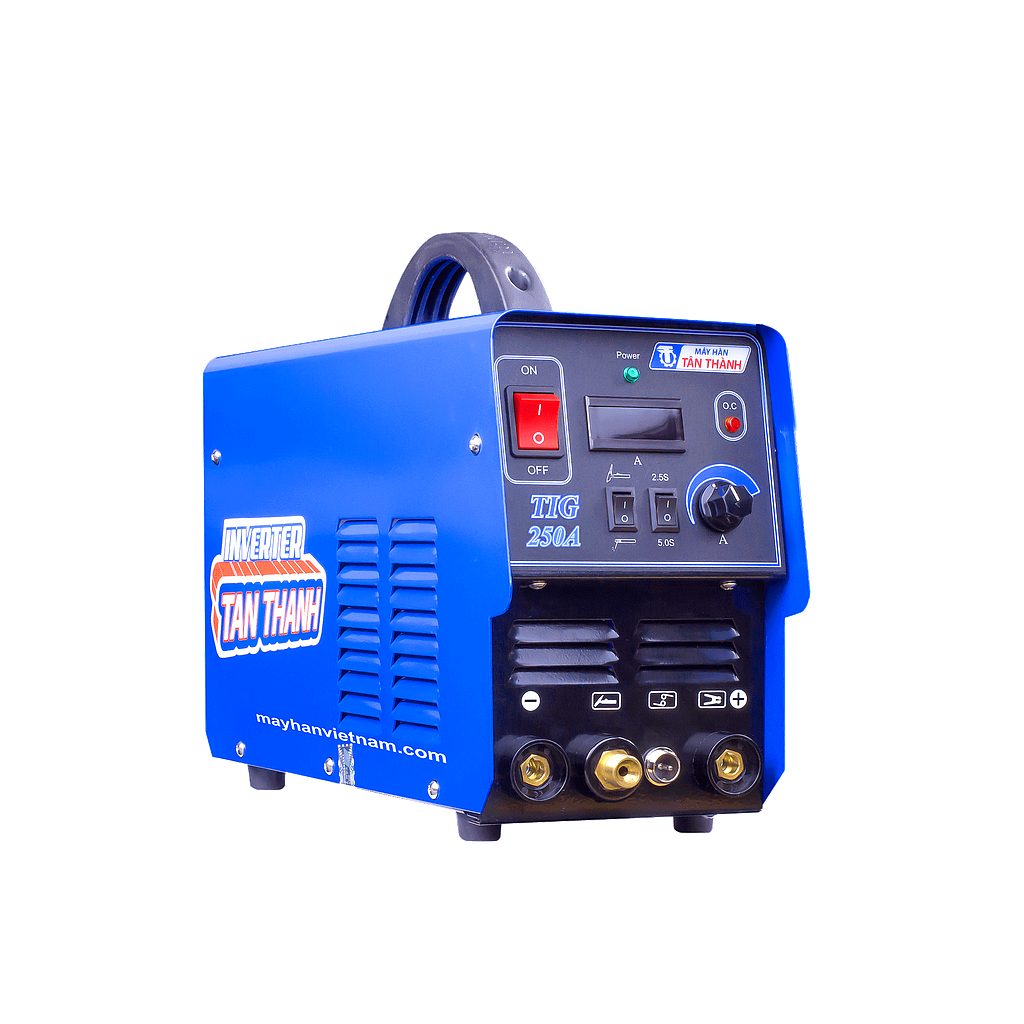
How TIG welding works in practical applications
TIG welding, also known as tungsten inert gas welding, uses a non-consumable tungsten electrode to create the arc while shielding gas protects the weld area from contamination. This process is valued for producing controlled, clean welds, especially when working with thin sections or materials that require a more refined finish.
Because the arc is stable and the operator has strong control over the weld pool, TIG is often selected for jobs where weld quality matters as much as productivity. It is commonly considered for stainless steel, carbon steel, and aluminum work, particularly when the application requires neat seams, controlled penetration, or reduced post-weld cleanup.
Where TIG welding machines fit best
This category is relevant for workshops, fabrication lines, repair departments, and technical service teams that need more control than a basic welding process can provide. TIG equipment is often used in sheet metal work, frame fabrication, piping tasks, maintenance operations, and aluminum welding applications where weld appearance and consistency are important.
For buyers comparing processes, TIG is not always the fastest option, but it is often preferred when precision is a higher priority. If your operation also handles broader repair work or needs one machine for several processes, it may be useful to compare with a multi-process welding range to see whether a combined setup better matches daily workloads.
AC/DC, DC-only, and power input considerations
One of the key buying points in this category is the difference between AC/DC capability and simpler TIG configurations. AC/DC machines are typically considered when aluminum welding is part of the job, while other tasks may be covered by more straightforward TIG models depending on material type and process requirements.
Power supply is another practical filter. Single-phase machines can be suitable for lighter-duty or mobile workshop use, while three-phase models are often more appropriate for higher current demands and longer industrial duty cycles. In the featured range, Megatec models show this spread clearly, from compact 220V options such as the WS-200 and WS-250 to larger three-phase machines like the WSM-400I and WSME-315 for heavier output requirements.
Examples from the current product range
Several products in this category illustrate how TIG systems can be matched to different working conditions. The GYS PROTIG 230 AC/DC FV HF is a good example of a machine positioned for users who need advanced welding control, multiple trigger modes, and support for both TIG and MMA operation. Features such as HF ignition options and stored welding programs can be valuable when repeatability and setup flexibility matter.
For businesses looking at broader current ranges, Megatec offers multiple configurations. The WSME-250 and WSME-315 are described for AC/DC TIG work with attention to aluminum applications, while the WS-200S and WS-250S represent more compact options for lighter material thicknesses. For applications focused on TIG welding only, the WS-300S highlights a more dedicated process approach rather than a TIG/MMA combination.
This category also includes supporting items, not just welding power sources. The Telwin ST26 TIG Soldering is presented as an accessory for the TIG 311, and the NAKATA WP26 - 10M TIG welding gun is relevant for users evaluating torch length and handling requirements as part of the complete welding system.
What to consider when selecting a TIG welding machine
The right machine depends less on brand name alone and more on the job profile. Buyers typically start by reviewing base factors such as input voltage, output current range, material thickness, and whether the machine needs to support only TIG or both TIG and MMA. This helps narrow the field before looking at control features or accessories.
For aluminum work, AC/DC capability is usually a major requirement. For general repair or steel fabrication, a DC-focused setup may be enough depending on the application. Torch configuration, cooling approach, duty cycle expectations, and workshop power availability should also be checked early, since these points affect usability just as much as headline amperage does.
- Choose single-phase models when installation flexibility and lighter-duty work are priorities.
- Choose three-phase models when higher output and sustained industrial operation are more important.
- Review whether 2T/4T control, HF ignition, or stored programs are useful for your welding routine.
- Do not overlook accessories such as torches, regulators, and grounding clamps when planning the full setup.
Brands and ecosystem relevance
The category includes recognized names used in industrial and workshop environments, including Telwin, GYS, Megatec, Hồng Ký, and NAKATA. Rather than serving the same user in exactly the same way, these brands reflect different equipment levels, from accessories and torches to compact workshop machines and higher-capacity industrial units.
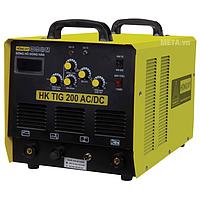
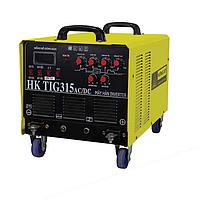
For example, Hồng Ký HKTIG300X represents a higher-output TIG welding option for three-phase operation, while Telwin and NAKATA help complete the system around the main power source. Looking at the category this way can be more useful than comparing current rating alone, because many buyers need a workable welding ecosystem rather than an isolated machine specification.
When to compare TIG with other welding equipment
TIG is often selected for precision, but some jobs may call for a different process depending on speed, material condition, or production goals. If your operation includes cutting before welding, reviewing a plasma cutting solution alongside TIG equipment may help create a more complete fabrication workflow.
Likewise, operations that frequently switch between repair tasks, structural work, and general fabrication may benefit from comparing TIG units with other welding machine categories. The best choice depends on whether your priority is weld appearance, process versatility, deposition rate, or site-level practicality.
Final thoughts
A well-matched TIG welding machine can improve arc control, weld quality, and consistency across a wide range of fabrication and maintenance tasks. The products in this category cover different power levels, machine formats, and accessory needs, making it easier to assess options based on real operating conditions rather than generic claims.
When reviewing the range, focus on material type, required current, input power, and whether your work needs AC/DC flexibility or a simpler TIG setup. Taking that approach will help you shortlist equipment that fits both the welding process and the way your team actually works.
Get exclusive volume discounts, bulk pricing updates, and new product alerts delivered directly to your inbox.
By subscribing, you agree to our Terms of Service and Privacy Policy.
Direct access to our certified experts