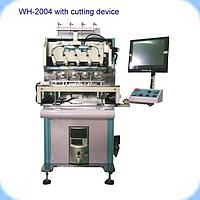
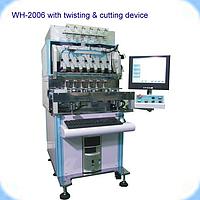
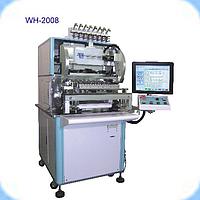
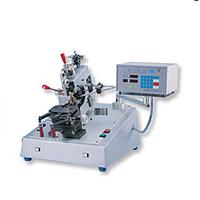
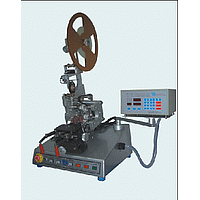
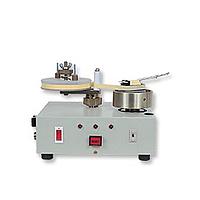
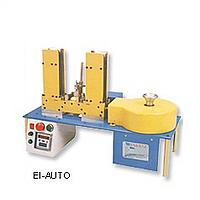
Transformer winding machine, electrical wire
Precision in coil and wire handling has a direct impact on transformer quality, repeatability, and production efficiency. For workshops, repair facilities, and manufacturers working with coils, motors, and electrical components, choosing the right transformer winding machine, electrical wire equipment helps improve winding consistency, operator control, and throughput across both manual and automated processes.
This category brings together machines and supporting components used for coil winding, flyer winding, spiral winding, and related wire-processing tasks. It is relevant for applications where controlled turns, stable speed, and suitable handling of different wire sizes or winding patterns are important to the final electrical assembly.
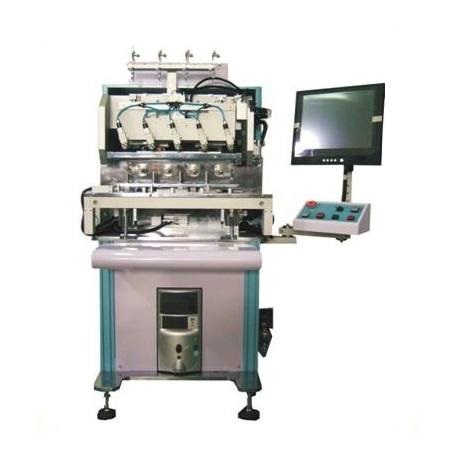
Equipment range for transformer and coil winding work
The product range in this category covers different levels of operation, from compact manual winders to more advanced automatic winding machines. This makes the category suitable for users who need simple bench-top winding for small batches as well as those looking for higher repeatability in routine production.
Examples include manual models such as the Wey Hwang WH-737 Manual Winder and manual spread coil winding machines like the WH-710, WH-720, WH-730, and WH-740 series. For more specialized processes, users can also consider machines such as the Wey Hwang WH-520 Motor Coil Winding Machine, the WH-510 Spiral Winding Machine, the WH-420 Flat Wire Winding Machine, and the WH-DHFWM Double heads flyer winding machine.
Where these machines are commonly used
Winding equipment in this category is typically selected for transformer coil production, motor coil preparation, repair work, prototype development, and small to medium manufacturing lines. Depending on the machine type, the same workflow may involve simple turn counting, spread control, spiral forming, or higher-output winding for repetitive jobs.
In practice, buyers often look for equipment based on the winding pattern they need to achieve rather than only on machine size. A manual spread coil machine may be suitable when flexibility and operator intervention are important, while an automatic wire winding machine can be more appropriate when production speed and repeatability are the priority.
Manual, automatic, and specialized winding formats
Manual winding machines remain useful for maintenance, low-volume work, custom coils, and operator-led setups where frequent changes are expected. Models such as the Wey Hwang WH-737 and the manual spread machines in the WH series are relevant in these environments because they support hands-on control without the complexity of a larger automated system.
Automatic winding machines are better aligned with repetitive jobs and applications where consistent winding speed and count visibility are important. The Đại Thành FR01-80 Automatic wire winding machine is an example of equipment intended for more structured production tasks, while digital control elements such as the Wey Hwang CN001-200A-VR5-E Digital controller help support controlled machine operation within a broader winding setup.
Some applications also require a more specialized approach. Flat wire winding, spiral winding, or double-head flyer winding each address different coil geometries and production needs, which is why the machine format should always be matched to the actual winding task rather than chosen on price or speed alone.
How to evaluate the right machine for your process
A practical buying decision usually starts with the wire material and winding method. Buyers should consider whether they are working with round wire or flat wire, whether the coil dimensions change frequently, and whether the job requires manual adjustment, programmed steps, or higher spindle performance. These factors affect day-to-day usability far more than a model name by itself.
It is also important to review capacity-related points such as supported wire size range, maximum speed, memory steps, spindle configuration, and power supply compatibility. For example, some machines in this category are better suited for compact, operator-driven winding, while others are intended for larger setups or more demanding production cycles. If your line includes heat-sensitive processes or thermal management around nearby equipment, an industrial chiller may also be relevant in the wider manufacturing environment.
Representative brands and products in this category
Wey Hwang is the main manufacturer represented here, with a broad selection that covers manual winding, spread coil winding, motor coil winding, spiral winding, flat wire winding, and brushless motor or controller components that fit into a winding machine ecosystem. This makes the brand especially relevant for buyers comparing different winding methods within one supplier range.
Đại Thành is also featured with an automatic wire winding machine option, offering additional context for users seeking a more production-oriented approach. Rather than focusing only on one machine style, the category supports comparison across operational needs, from entry-level manual winding to more automated setups.
Related equipment around a winding production setup
Winding machines rarely operate in isolation. In many facilities, they are part of a wider process that may include material preparation, thermal control, packaging, or post-processing. For example, after winding and assembly, some operations may integrate a heat shrinking machine for insulation or finishing steps, depending on the product being manufactured.
Production environments also benefit from stable utilities and clean operating conditions. In some cases, support systems such as compressed air treatment equipment can improve the reliability of pneumatic devices used elsewhere in the line. These are not substitutes for winding machines, but they can be relevant when planning a complete industrial workflow.
Why process fit matters more than headline speed
It is easy to compare machines by rpm alone, but winding quality depends on a broader combination of factors: wire guidance, spread control, repeatability, operator interface, and suitability for the intended coil shape. A machine with higher speed is not automatically the best choice if the process requires frequent adjustments, delicate wire handling, or compact bench operation.
Process fit should therefore be the main criterion. A workshop rewinding coils may value flexibility and ease of manual control, while a production team manufacturing repeat transformer or motor coils may prioritize programmable steps and higher consistency over long runs. Matching the machine to the application reduces setup time, material waste, and rework.
Choosing from this category
This category is designed for buyers who need a clearer path to selecting winding equipment for transformer coils, motor coils, and related electrical wire applications. Whether the requirement is a simple manual winder, a spread coil machine, a spiral or flat wire solution, or a supporting controller and motor component, the available range helps narrow the choice based on actual process needs.
When comparing options, focus on winding type, work volume, operator involvement, and the physical characteristics of the wire and coil. A well-matched solution will support stable production today while making future process expansion easier as requirements become more specialized.
Get exclusive volume discounts, bulk pricing updates, and new product alerts delivered directly to your inbox.
By subscribing, you agree to our Terms of Service and Privacy Policy.
Direct access to our certified experts