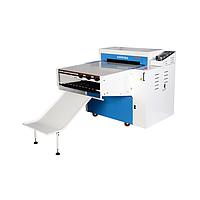
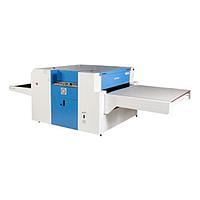
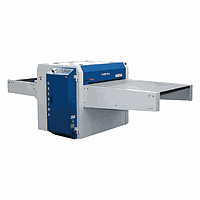
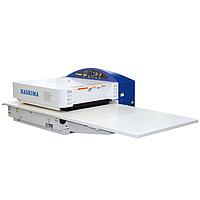
Textile industry auxiliary equipment
Production efficiency in garment and textile operations often depends on the smaller support devices that keep cutting, marking, winding, and finishing processes consistent. From layout preparation to thread handling and pressing work, the right auxiliary tools help reduce manual variation, improve workflow, and support cleaner output across different stages of manufacturing.
This category brings together textile industry auxiliary equipment used around the main production line rather than replacing core machines. These products are especially relevant for workshops, apparel factories, sewing lines, and textile processing environments that need practical support for positioning, cutting, marking, winding, and finishing tasks.
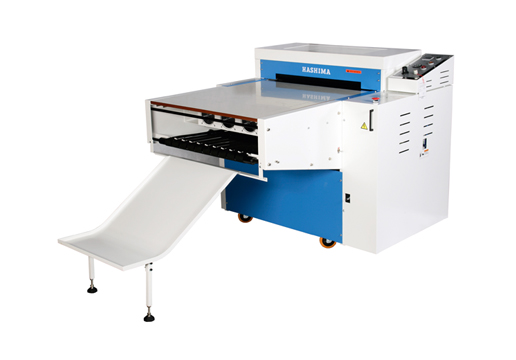
Supporting equipment for daily textile production
Auxiliary equipment plays an important role in maintaining process flow between material preparation and final finishing. In many facilities, these tools are used to simplify repetitive jobs, improve operator control, and reduce downtime caused by manual handling or inconsistent setup.
Depending on the application, the category may include devices for cloth marking, alignment, thread winding, localized cutting, and steam finishing. While each product serves a different purpose, the common goal is the same: to make textile production more organized, repeatable, and easier to manage on the shop floor.
Typical equipment found in this category
Several product types illustrate how broad this category can be. For marking and positioning tasks, laser markers such as the HASHIMA HLA-2MP, HLAR-4ML, and HLAR-6ML help operators create visible guide lines for alignment or cutting reference. These tools are useful where layout accuracy matters and where non-contact visual guidance can improve consistency.
For winding applications, models such as the HASHIMA HW-10NS and HW-20NS traverse winders, along with the HW-20C and HW-40C universal winders, support thread or bobbin handling in sewing-related processes. In practical use, winding equipment helps standardize preparation work before materials move to the next stage.
Finishing and handling tasks are also represented in this category. The HASHIMA HI-350PS industrial steam iron is an example of equipment used for garment pressing and surface preparation, while portable cutting tools such as the HASHIMA KPS-100 KM Cordless Cutter and HASHIMA EC-235 Easy cutter support flexible trimming and cutting work where maneuverability is important.
Applications across garment and textile workflows
Auxiliary textile equipment is commonly used in pre-production, sewing preparation, in-line handling, and finishing areas. Laser markers and cloth marking tools can help with pattern indication, alignment reference, or cutting guides. Winding devices are relevant where thread preparation affects machine uptime or stitching continuity.
In finishing sections, steam irons help remove wrinkles, shape garments, or prepare materials before inspection and packing. Portable and shuttle cutting equipment may be used for edge trimming, separation, or controlled cutting tasks that do not require a large standalone cutting system. For operations focused specifically on cutting, it can also be useful to review the dedicated fabric cutting machine range for more specialized solutions.
How to choose the right equipment
Selection should start with the actual process bottleneck rather than the product name alone. If the issue is operator alignment or layout visibility, a laser marker with a suitable projection pattern and working distance may be the better fit. If the challenge is preparation of bobbins or thread packages, then winding capacity, machine footprint, and workflow compatibility become more important.
For handheld or compact devices, buyers should also consider power supply, operating duration, and ease of use. Equipment such as cordless or dual-power cutters may suit mobile tasks or stations that need more flexibility. For pressing applications, tank capacity, operating voltage, and ergonomic handling are practical points to review before purchase.
In larger textile environments, it is also helpful to think about how support devices interact with surrounding utility systems. For example, stable plant conditions can matter for heat-sensitive or continuous processes, and some facilities also review related equipment such as industrial water cooler and chiller systems where broader production infrastructure is involved.
Why HASHIMA is relevant in this category
HASHIMA is one of the manufacturers represented in this category, with products covering several practical areas of textile support work. The available range in this context includes steam ironing, laser marking, traverse and universal winding, cloth marking drills, easy cutters, cordless cutters, and shuttle cutters. This variety is useful for buyers who want to source multiple support devices from a recognized textile-related equipment brand.
Rather than focusing on one machine type only, this brand presence reflects the broader nature of auxiliary equipment in textile production. It also helps buyers compare tools by application area, installation style, and operator workflow instead of evaluating each product in isolation.
Integration with other textile support processes
Process continuity is often improved when auxiliary devices are selected as part of a wider production setup. A marking device may support a cutting step, winding equipment may prepare materials for sewing, and a steam iron may support inspection or packing quality. Looking at these tools as connected workflow elements can lead to better line organization.
Facilities involved in garment finishing may also compare this category with related equipment such as press machines for textile applications, especially when deciding between localized manual finishing and more structured pressing operations. This kind of comparison helps define whether the requirement is portability, speed, consistency, or a combination of these factors.
What buyers should review before ordering
Before selecting a model, it is worth confirming operating voltage, workspace requirements, duty pattern, and whether the equipment is intended for bench use, handheld use, or integration into a production station. Physical dimensions and weight can also matter, especially in compact sewing rooms or multi-operator finishing areas.
Application fit should remain the main priority. A laser marker should be matched to projection needs and effective distance, a cutter should be chosen based on handling and cutting style, and a winder should suit the expected bobbin or thread preparation workflow. Taking this practical approach usually leads to better long-term usability than choosing only by headline specification.
Conclusion
Well-chosen textile support devices can make a measurable difference in everyday production by improving handling, consistency, and operator efficiency. Whether the need is marking, winding, cutting, or finishing, this category is designed to help buyers find equipment that supports the textile line where small process improvements matter most.
When comparing options, focus on the actual task, the operating environment, and the role each device plays in the broader workflow. That approach makes it easier to select textile industry auxiliary equipment that fits real production needs rather than simply adding another machine to the floor.
Get exclusive volume discounts, bulk pricing updates, and new product alerts delivered directly to your inbox.
By subscribing, you agree to our Terms of Service and Privacy Policy.
Direct access to our certified experts