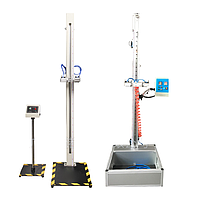
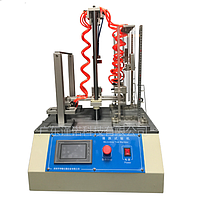
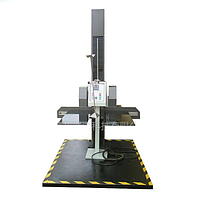
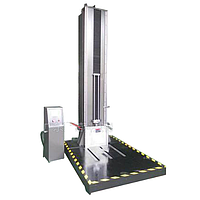
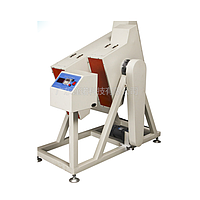
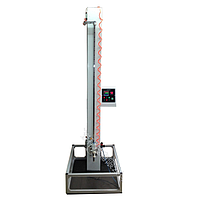
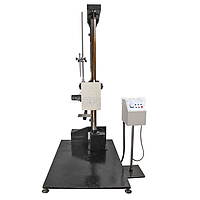
Drop Tester
Impact events that happen during handling, shipping, storage, or daily use can quickly expose weak points in a product or its packaging. In many industries, drop testing is a practical way to evaluate how an item responds to sudden shock, whether the goal is package validation, product durability assessment, or compliance with internal quality procedures. This is why the Drop Tester category remains relevant across packaging labs, electronics testing, and general product reliability work.
On this page, you can explore different drop test systems suited to a wide range of specimen sizes, weights, and test methods. From compact testers for handheld devices to larger platforms for bulky packages, the category supports applications where controlled drop height, repeatable release conditions, and consistent impact orientation are important.
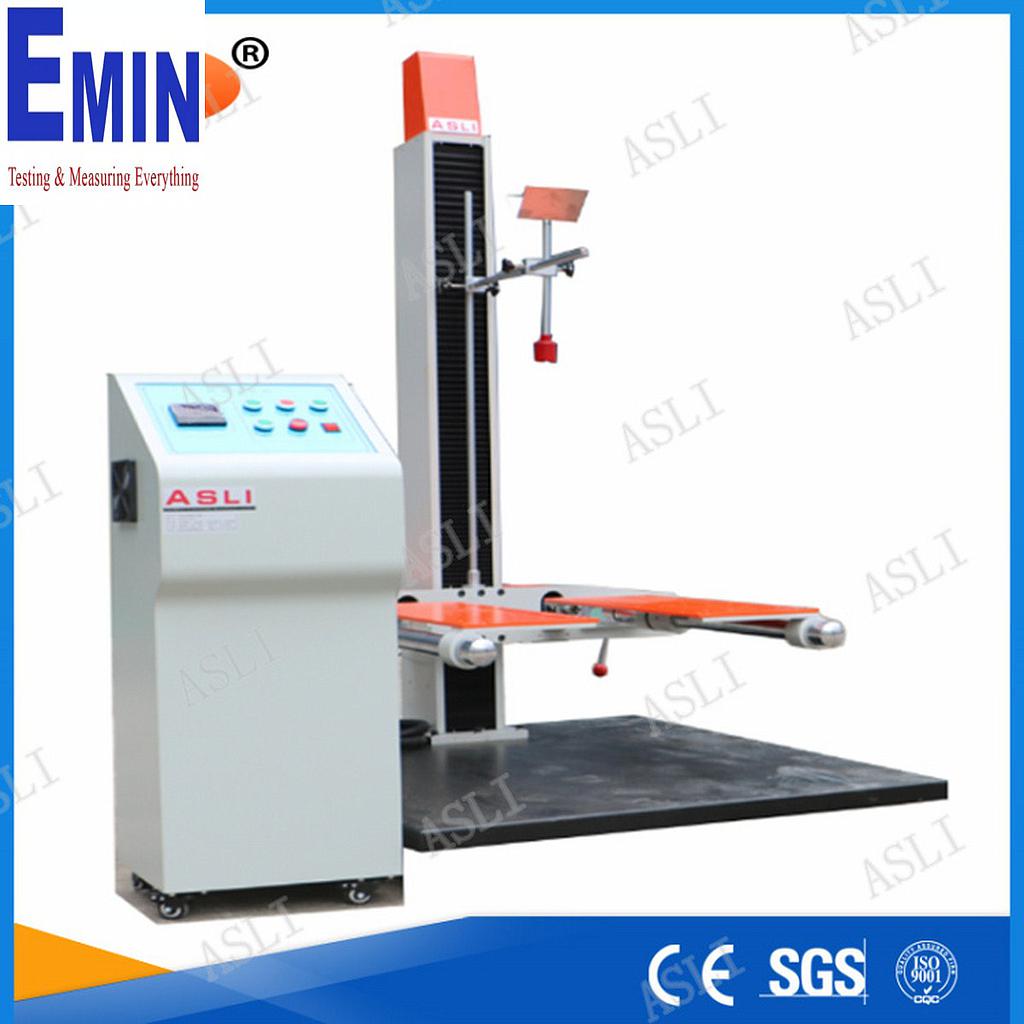
Where drop testers are used in practice
A drop tester is typically selected when a team needs to simulate the mechanical shock that may occur during transportation, warehousing, distribution, installation, or end-user handling. In packaging environments, this often means evaluating whether a carton, cushioned pack, or assembled product can withstand expected drop events without unacceptable damage.
In product testing, the focus may shift toward the behavior of the item itself rather than the outer package. Portable electronics, batteries, consumer devices, and industrial components are often tested for edge, corner, or face impacts. For broader shock and transport validation programs, drop testing is frequently considered alongside equipment such as vibration isolator systems that help control surrounding test conditions.
Main types of drop testers in this category
This category includes several equipment approaches rather than one single machine style. Precision drop testers are commonly used when repeatability matters, especially for packaged products and standardized impact orientations. These systems allow controlled drop heights and release conditions, helping users compare results across repeated trials.
There are also testers designed for small-object testing, where compact devices such as handheld electronics are dropped in specific orientations. For heavier or larger specimens, larger-format platforms are used to handle higher loads and broader test surfaces. In addition, some instruments in this category support more specialized impact methods, such as ball drop or vertical hammer testing, which are useful when the test objective is concentrated impact resistance rather than a full free-fall package drop.
Representative equipment and application examples
For package and transport testing, Lansmont is a well-known name in precision drop equipment. Models such as the Lansmont PDT 80, PDT 300, and PDT 700 illustrate how test requirements can vary from lighter-duty setups to systems intended for larger or heavier packaged products. The Lansmont QR 3000 Quick Release Drop Tester is another example where controlled release is important for evaluating heavy items under repeatable conditions.
For broader industrial use, King Design offers systems that cover compact test objects as well as large packages. The KDI KD-208 and KD-208 A are aimed at smaller products, while the KD-2768, KD 688 A, and KD-8688 show the kind of equipment used when test height, platform size, or specimen mass becomes more demanding. These examples reflect the range of applications found within a typical B2B testing environment.
Specialized impact tools also appear in this category. MultiTech products such as the MTVH-1 Vertical Hammer and MTSBD-2 Ball Drop Apparatus are relevant when evaluating localized impact performance, including enclosure robustness or resistance to defined impact energy conditions. If the requirement is not free-fall shock but another material or barrier-performance test, related categories such as water vapor transmission rate test systems may be more appropriate.
How to choose the right drop tester
The first selection factor is the specimen profile: size, weight, geometry, and fragility. A tester for small handheld products will differ significantly from one used for large corrugated packaging or heavy industrial assemblies. The machine must safely support the sample while still delivering the required drop mode and target orientation.
Next, consider the test method itself. Important questions include the required drop height range, whether the item must be dropped freely or with guided support, and whether impacts must be performed on faces, edges, or corners. For some applications, release consistency is more important than maximum height; for others, load capacity and platform area become the priority.
Utilities and installation conditions should also be checked early in the process. Depending on the model, the system may require single-phase or three-phase power, plant air, or additional floor space. In larger labs, users may also review surrounding infrastructure such as furnaces and other physical test equipment to make sure the new setup fits into the broader test workflow.
Free-fall, guided drop, and impact-specific methods
Not every drop test is performed in exactly the same way. A free-fall test is often used to simulate realistic accidental drops where the specimen falls without restraint. This approach is common for packaging validation and for products expected to experience handling shocks in logistics or field use.
A guided-drop setup is useful when the object must maintain a controlled orientation during release. This is especially relevant for small products or samples that need repeatable edge, line, or corner impacts. By contrast, devices such as ball drop apparatus or vertical hammer systems are better matched to tests that focus on impact resistance at a specific point or area rather than the overall effect of a package falling onto a surface.
Key considerations for reliable test results
Good drop testing depends not only on the machine but also on the test setup. The impact surface, sample conditioning, fixture arrangement, and pass/fail criteria should be defined before testing begins. Without that structure, even a capable tester may produce results that are difficult to compare from one trial to the next.
Documentation also matters. In B2B quality and engineering environments, the test report often needs to capture specimen condition, orientation, height, number of drops, visible damage, and functional outcomes after impact. A consistent method helps teams move from simple observation to a more useful reliability assessment.
Who typically buys from this category
Drop testers are commonly used by packaging engineers, QA teams, test laboratories, product designers, and manufacturers that need to evaluate durability before shipment or release. They are also relevant to third-party labs that perform verification work for electronics, industrial components, consumer goods, and transit packaging.
The right system depends on whether the priority is product protection, transport simulation, or impact resistance of a defined part. Because this category includes compact units, precision drop systems, and large heavy-duty testers, it can support both development-stage investigations and routine production validation.
Final thoughts
Choosing a drop tester is ultimately about matching the machine to the real-world shock event you need to reproduce. Drop height, load capacity, orientation control, release method, and specimen type all influence whether a system will be suitable for your application.
By reviewing the available equipment in this category and comparing the intended test method with your product or package profile, it becomes easier to narrow down the right solution. Whether you are assessing small electronic devices, heavy packaged goods, or localized impact resistance, this category provides a practical starting point for structured mechanical shock testing.
Get exclusive volume discounts, bulk pricing updates, and new product alerts delivered directly to your inbox.
By subscribing, you agree to our Terms of Service and Privacy Policy.
Direct access to our certified experts