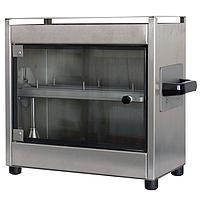
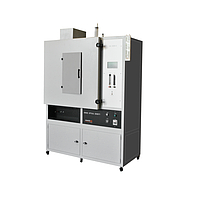
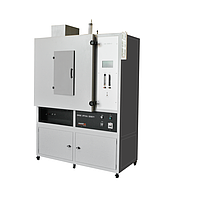
Flammability testing equipment
When materials, cables, textiles, or components must be evaluated for fire behavior, the quality of the test setup matters as much as the test method itself. This category brings together flammability testing equipment used to assess ignition, flame spread, radiant heat response, overheating behavior, and related thermal performance under controlled laboratory conditions.
For manufacturers, test labs, and compliance teams, these systems support repeatable verification against recognized procedures. They are commonly used in product development, incoming quality control, failure analysis, and pre-compliance work where understanding how a specimen reacts to flame, heat, or glowing elements is critical.
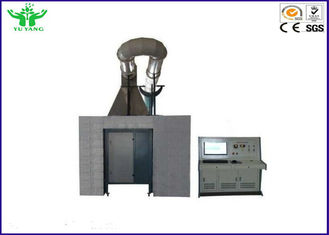
Where this equipment is used
Flammability testing is relevant across many industrial sectors, including electrical and electronic products, wire and cable, technical textiles, protective clothing, building materials, and coated surfaces. Depending on the application, the objective may be to measure flame propagation, determine resistance to ignition, evaluate heat transfer, or estimate the effect of radiant heat exposure on a sample.
Because fire-related performance is rarely defined by a single parameter, laboratories often work with several complementary instruments rather than one universal tester. In practice, a test program may combine direct flame exposure, radiant heat evaluation, overheating simulation, and post-test observation of damage, afterflame, afterglow, or thermal transmission.
Main test approaches covered in this category
This category includes equipment designed around different fire test principles. Some systems expose the specimen to a controlled burner flame, while others use heated wire elements or radiant panels to reproduce specific thermal stresses. The right method depends on the product standard, specimen type, mounting orientation, and the performance data required by the lab.
For example, cable-focused applications often require dedicated flame propagation or fire resistance setups. The NOSELAB ATS AB03 Vertical Flame Propagation Test Apparatus for Single Wire or Cable is intended for controlled burner-based evaluation of a single wire or cable specimen, while the NOSELAB ATS AB01 Fire Resistance Test System for Electric Cables addresses broader cable fire resistance scenarios. For material surface response to thermal radiation, systems such as the NOSELAB ATS AC07 Radiant Heat Tester focus on how heat passes through or affects layered specimens.
Representative equipment in the range
Several products in this category illustrate the breadth of available test configurations. The NOSELAB ATS AC06 Heat transfer determination system is suited to evaluating how quickly heat is transmitted under flame exposure, supporting testing workflows where calorimetric response is important. This type of setup is especially relevant for protective materials and fabrics that must delay heat transfer to the protected side.
For overheating and ignition-risk studies in electrical or polymer components, the NOSELAB ATS EB03 and EB05 Overheating Test Apparatus models provide controlled high-temperature contact or exposure conditions. These systems are useful when the test objective is to observe whether a material ignites, drips, carbonizes, or causes ignition of surrounding indicators under defined thermal stress.
Radiant-panel-based methods are also well represented. The NOSELAB ATS BA01 Flame Resistance Test, NOSELAB ATS BA04 Flammability vertical panel, and the NOSELAB ATS RADIANT PANEL are examples of solutions used when the test requires calibrated thermal radiation rather than direct flame alone. This is particularly important for floor coverings, coatings, and assemblies where critical radiant flux or flame spread under radiant exposure is part of the evaluation.
How to choose the right flammability test system
The first selection factor is the applicable standard or internal test procedure. A cable manufacturer may need a burner and gas-flow-controlled setup, while a textile or PPE laboratory may prioritize heat transfer and radiant heat methods. The specimen geometry, mounting position, and whether the test measures ignition, damage, burn length, or temperature rise will quickly narrow the suitable equipment types.
The second factor is the level of automation and data handling required. Some laboratories prefer straightforward manual systems for routine comparative work, while others need touch-screen control, programmable sequences, USB data export, or software-supported reporting. In environments where traceability matters, digital control and consistent calibration support can improve repeatability and simplify documentation.
It is also worth considering the surrounding lab infrastructure. Many fire test instruments require propane or LPG supply, controlled airflow, exhaust extraction, or water cooling. If the test plan includes other thermal processes, related equipment such as laboratory furnaces may also be relevant in the broader workflow, although they serve different purposes from dedicated flammability testers.
Why manufacturer ecosystem and application fit matter
In this category, the manufacturer is often less important than the match between the instrument design and the intended test method. That said, established suppliers can make it easier to build a coherent lab setup with compatible accessories, calibration routines, and reporting practices. Among the brands featured here, NOSELAB ATS is especially visible through systems for cable, textile, radiant heat, and overheating-related testing.
Other listed manufacturers such as ELCOMETER, Yasuda, JFM, MultiTech, and TONYHK help frame the broader testing ecosystem represented in this section. The practical decision should still come back to sample type, relevant standard, utility requirements, and the level of control needed for your validation or compliance process.
Typical lab considerations before purchase
Before selecting a system, it is useful to define the full test workflow rather than only the main instrument. Fire test methods may require burners, calibrated thermocouples, calorimeters, specimen holders, timing devices, radiometers, or gas mixing and flow-control assemblies. A good fit is one that supports stable operation, safe handling, and clear result interpretation for the exact specimens you plan to test most often.
Space, ventilation, and operator safety should also be reviewed early. Some systems are designed for use with fume extraction hoods or dedicated chambers, and others rely on external gas cylinders or compressed air. If your laboratory handles several barrier-property evaluations alongside fire testing, categories such as water vapor transmission rate test systems may also be worth exploring as part of a broader materials testing setup.
Building a more complete fire and materials testing workflow
Flammability evaluation rarely stands alone in industrial quality assurance. Test results become more useful when they are interpreted together with mechanical behavior, thermal ageing response, coating performance, or barrier characteristics. That is why many B2B buyers look for equipment that fits into a wider lab structure rather than treating each instrument as an isolated purchase.
Within that context, test repeatability, operator safety, and compatibility with your reporting process are often more valuable than simply choosing the most complex system. The right solution is the one that helps your team run the required method correctly, consistently, and with enough control to generate reliable data for engineering or compliance decisions.
Conclusion
This selection of flammability testing equipment supports a wide range of fire-related laboratory evaluations, from direct flame exposure and cable testing to radiant heat and overheating methods. By starting with the applicable standard, specimen type, and required measurement outcome, buyers can narrow the options to systems that genuinely fit their workflow.
If you are comparing instruments in this category, focus on method suitability, utility requirements, data handling, and the practical realities of your lab environment. That approach will usually lead to a more effective and sustainable test setup than choosing by product name alone.
Get exclusive volume discounts, bulk pricing updates, and new product alerts delivered directly to your inbox.
By subscribing, you agree to our Terms of Service and Privacy Policy.
Direct access to our certified experts