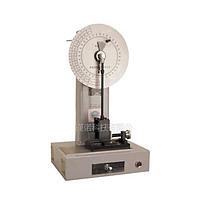
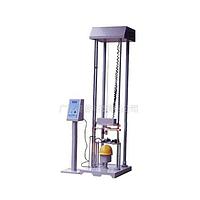
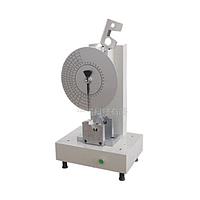
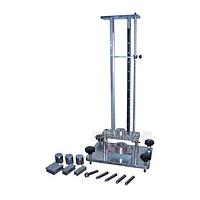
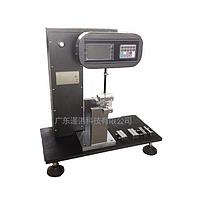
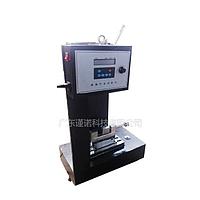
Impact Testing Machine
When a coating, metal panel, or formed sheet part must withstand sudden force without cracking, peeling, or losing adhesion, impact and cupping tests become essential quality checks. This category brings together impact testing machines and related deformation test instruments used to evaluate how materials and surface finishes respond to rapid or localized mechanical stress in laboratory, production, and inspection environments.
These instruments are widely used in paint and coating evaluation, sheet metal testing, product development, and incoming quality control. Depending on the standard and the material under test, users may need direct impact, indirect impact, or cupping-based deformation testing to compare performance under controlled conditions.
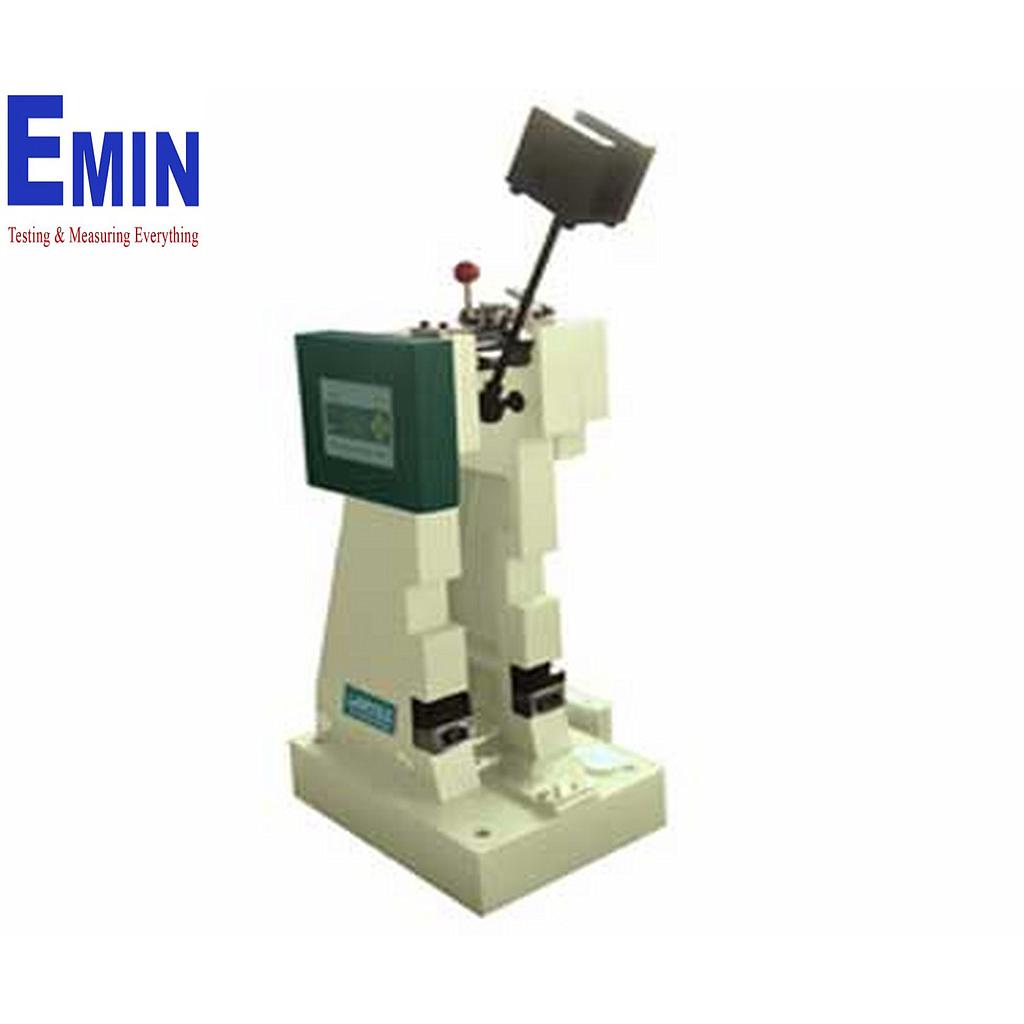
Where impact and cupping testing fit in material evaluation
Impact resistance testing helps determine whether a coated or formed specimen can absorb a defined force without visible failure. In practical terms, it supports the assessment of cracking, delamination, chipping, and other damage modes that may appear after handling, transport, installation, or service exposure.
Cupping tests complement this by measuring how a coated metal panel behaves during progressive deformation. Instead of a falling weight, the sample is pushed into a die by an indenter until the coating or substrate shows the first signs of failure. This makes cupping testing especially useful for applications involving drawing, bending, or forming processes.
Common test methods covered in this category
The product range shown here is aligned with several widely used methods for coating and panel assessment. Direct impact configurations are commonly selected when the force is applied straight onto the coated surface, while indirect impact methods evaluate the reverse side response and can better reflect certain end-use conditions.
Examples in this category include instruments associated with ISO 6272-1, ISO 6272-2, ASTM D2794, ASTM G14, CSA, and NF T30-017 style testing. Because the applicable method depends on substrate type, coating system, panel thickness, and customer specification, it is important to choose the machine or kit that matches the required standard rather than selecting on appearance alone.
Representative instruments available
For laboratories that need controlled deformation testing, the TQCSheen SP4500 Automatic Cupping Tester provides an automated approach to cupping evaluation, with controlled indenter movement and digital operation that can support repeatable test workflows. This type of system is well suited when users need consistent testing conditions across multiple samples or routine quality checks.
Manual solutions remain highly relevant in many labs. The ELCOMETER 1620 Manual Cupping Tester is a practical option for cupping assessment where operators prefer a simpler setup or where test throughput does not require full automation. In the impact segment, the TQCSheen SP1890, SP1891, SP1895, SP1896, and SP1880 illustrate how test kits can be configured for different standards and impact directions.
For broader coating impact evaluations, the ELCOMETER 1615 Impact Tester Kit series shows how one platform can be adapted for multiple methods through different kit versions. This is useful in labs that work with more than one customer standard or need flexibility across a wider range of coated samples.
How to choose the right impact testing machine
The first selection factor is the test standard. If your specification calls for ISO 6272-1, ISO 6272-2, ASTM D2794, ASTM G14, or another method, the instrument must support that setup directly. Differences in punch diameter, die size, weight, impact direction, and sample holding method can materially affect the result.
The second factor is the material being tested. Thin coated metal panels, aluminium sheets, steel panels, and formed components may require different force ranges or fixture arrangements. If your workflow includes formability assessment as well as impact resistance, a cupping tester may be more suitable than a standard falling-weight impact unit.
Finally, consider whether manual or automatic operation makes more sense for your lab. Manual testers are often preferred for straightforward compliance testing and lower sample volumes. Automatic systems can improve repeatability, operator consistency, and ease of documentation in more demanding QC or R&D settings.
Typical applications in coating and materials laboratories
Impact and cupping testing are commonly used in paint, plating, coil coating, appliance, automotive, packaging, and metal fabrication environments. These methods help engineers compare coating flexibility, evaluate substrate-coating interaction, and verify whether a finished panel can tolerate mechanical stress during downstream processing.
They are also valuable during product development, where changes in primer, topcoat, curing conditions, or substrate preparation can influence resistance to cracking or adhesion loss. In quality assurance, these tests provide a practical way to monitor batch-to-batch consistency and support acceptance decisions before materials move into production.
In some workflows, impact testing is part of a broader material characterization program that may also include barrier or environmental analysis. For related lab needs, some users also review systems such as water vapor transmission rate test systems or oxygen permeation systems when packaging films and coated materials require both mechanical and permeation performance data.
Practical points for reliable testing
Good results depend not only on the instrument, but also on specimen preparation and test discipline. Panels should be prepared consistently, with attention to coating cure, thickness, orientation, and conditioning. Even a well-designed tester cannot compensate for variation introduced before the sample reaches the fixture.
Operators should also check the correct indenter, die, mass, and test direction before each series. For cupping methods, repeatable speed control and careful identification of the first visible failure point are especially important. For impact methods, proper sample clamping and method-specific drop setup help reduce unnecessary variation.
Where documentation is important, calibration certificates and clearly defined procedures can support internal quality systems and customer audits. This is one reason why many laboratories prefer established brands and standard-specific kits rather than improvised fixtures.
Brands and platform considerations
This category includes recognized names such as TQCSheen and ELCOMETER, both widely associated with coating inspection and physical test equipment. The available examples show a mix of automated cupping systems and manual impact kits, giving users options for different budgets, standards, and operating preferences.
Other manufacturers in the wider testing equipment landscape may be relevant depending on the application, but for this category the most immediate focus is on solutions suited to coating impact and deformation assessment. If your testing scope extends into other mechanical lab needs, it may also be useful to explore adjacent equipment categories such as laboratory furnaces for thermal conditioning or materials preparation.
Finding a suitable system for your workflow
The right choice usually comes down to a combination of standard compliance, sample type, throughput, and reporting requirements. A compact manual tester may be sufficient for routine pass/fail checks, while an automated cupping system can be the better fit for repeatable comparative testing and process development.
By comparing test method requirements with the actual materials and coatings used in your operation, it becomes easier to narrow down the most suitable instrument. This category is intended to support that process with practical options for impact resistance, coating deformation, and standard-based physical testing in industrial and laboratory environments.
Get exclusive volume discounts, bulk pricing updates, and new product alerts delivered directly to your inbox.
By subscribing, you agree to our Terms of Service and Privacy Policy.
Direct access to our certified experts