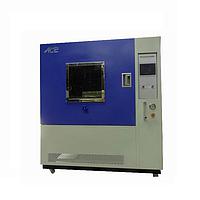
Rain Spray Test Chamber, Waterproof test (IP-X)
Water ingress testing is a routine requirement when electrical, electronic, automotive, and consumer products must prove reliable performance under rain, splashing, spray, or direct water jets. In practical qualification work, the right setup depends not only on the target IP code, but also on specimen size, water delivery method, test repeatability, and how closely the chamber matches the intended standard.
Rain Spray Test Chamber, Waterproof test (IP-X) systems are designed to simulate controlled water exposure for product validation, quality control, and pre-compliance testing. This category brings together equipment for common waterproof evaluations, from dripping and oscillating tube methods to broader rain and spray chamber configurations used in laboratory and industrial environments.
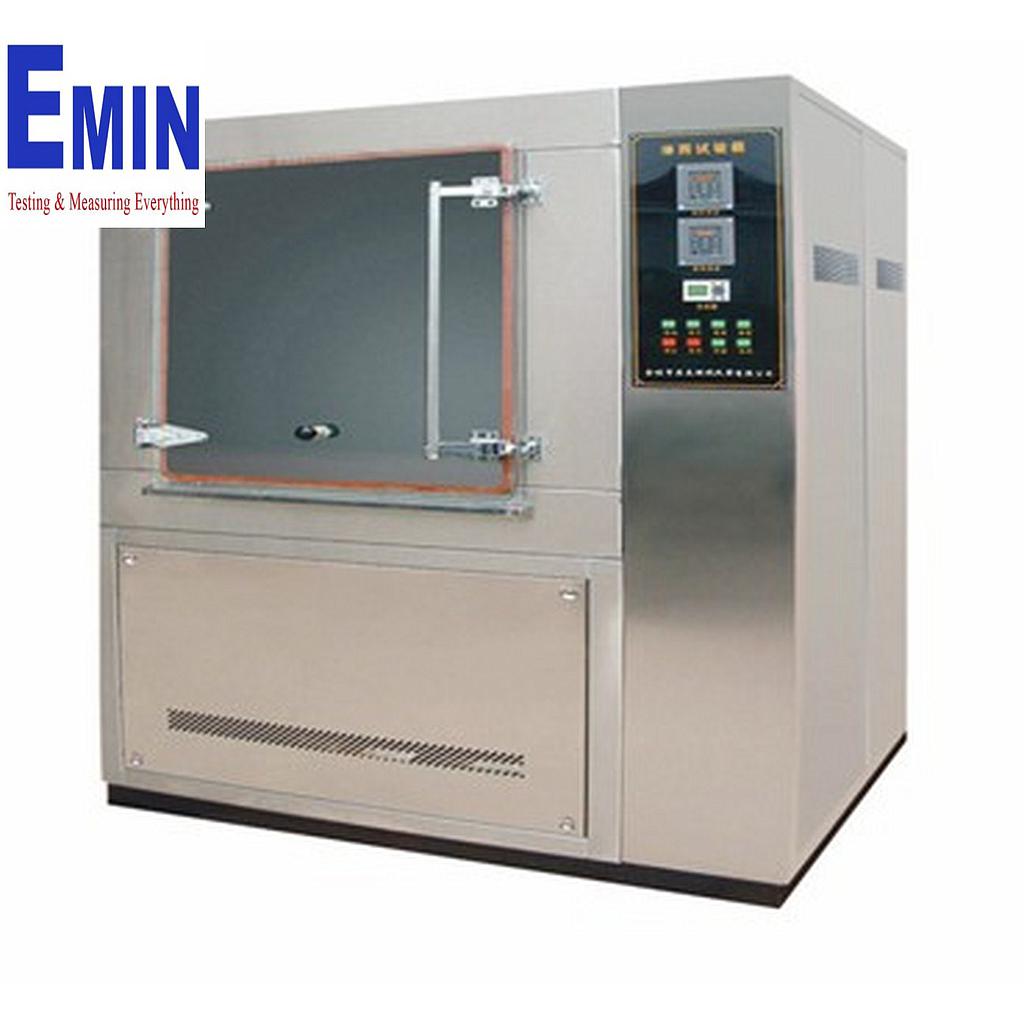
Where rain spray and IP-X testing is used
Waterproof testing is relevant across many sectors where enclosures, assemblies, and finished devices are exposed to weather, washdown, or incidental liquid contact. Typical applications include electrical housings, lighting products, connectors, sensors, automotive components, consumer electronics, and industrial control devices.
Depending on the product, the goal may be to verify resistance to vertical dripping, angled spray, splashing water, or more severe jet conditions. In broader reliability programs, these systems are often used alongside other environmental and physical test methods such as vibration isolation solutions for stable test setups or thermal equipment such as furnaces for material and component evaluation under different conditions.
Main test approaches in this category
One of the most common formats is the oscillating tube test, widely used for IPX3 and IPX4 style evaluations. In this method, water is sprayed through a tube with defined apertures while the tube swings through a specified angle, creating a repeatable pattern of spray or splashing exposure over the specimen.
Another common approach is the enclosed rain test chamber, which integrates water circulation, pressure regulation, nozzles, and a rotating table or fixture. This format is useful when users need more controlled chamber-based testing, especially for larger or more complex samples. More advanced systems can support a wider waterproof range, including IPX1 through IPX9 or similar test configurations depending on the equipment design.
Representative equipment and manufacturer options
This category includes systems from established suppliers such as MultiTech, T-MACHINE, ETSP, JFM, MStech, and Roxer. Each brand contributes different chamber sizes, spray methods, and test scopes, helping users select equipment based on product dimensions, target standards, and lab workflow.
For example, the MultiTech MTBR-500 IPX3 and IPX4 Oscillating Tube Tester is suitable for users focused specifically on oscillating tube methods. The MultiTech MTBR-500K IPX3 and IPX4 Rain Test Chamber takes a chamber-based approach for similar protection levels. T-MACHINE also offers broader platforms such as the TMJ-9710A Rain Tester and TMJ-9710C Rain Tester, the latter covering a wider set of waterproof test modes including multiple IPX levels.
For more general rain exposure testing, the ETSP ETSP-RT Rain Test Chambers and JFM JFM-008 series provide chamber-style configurations with rotating tables and water control features. MStech MSTR2000 Water resistance testing machine can be relevant where water resistance verification is part of a compact lab process. Roxer products in this category, such as the DIABOLIC E Leak Locator and Watch Full of Water Detector, play a more specialized role in detecting leakage or moisture presence rather than acting as the main rain chamber itself.
How to choose the right waterproof test chamber
The first selection factor is the required IP-X test level. If your work is limited to IPX3 or IPX4, an oscillating tube system may be the most direct solution. If you need broader waterproof coverage, chamber platforms that support multiple methods can reduce the need for separate equipment and simplify future expansion.
Specimen size is equally important. Internal workspace, turntable diameter, allowable load, and nozzle-to-sample distance all affect whether the test can be performed correctly. A compact enclosure, handheld device, or connector assembly may fit a smaller chamber, while larger industrial products may require more spacious test areas and flexible fixture arrangements.
It is also worth reviewing water flow control, pressure adjustment, swing angle, rotation speed, and recirculation features. These details influence test repeatability and operating cost. In production or third-party lab environments, users often prioritize systems that make setup, parameter adjustment, and visual observation easier for repeated qualification cycles.
Why chamber design details matter
A waterproof test is only useful when exposure is consistent and aligned with the intended method. Chamber construction, nozzle quality, tubing layout, pressure stability, and turntable motion all contribute to how evenly water reaches the specimen. Stainless steel wetted parts, clear observation windows, safety devices, and accessible maintenance points can all improve long-term usability.
For frequent testing, water recirculation and integrated gauges or flow meters are practical benefits. These features help operators monitor actual test conditions rather than relying only on nominal settings. In many labs, that level of control is essential for comparing results across batches, prototypes, or supplier submissions.
Typical workflow in an IP-X test program
In a standard workflow, the sample is mounted in the defined orientation, water parameters are set according to the required method, and exposure time is controlled with a timer or programmed sequence. During and after testing, the operator checks for visible ingress, functional issues, insulation problems, corrosion risk, or other signs that the enclosure protection is insufficient.
For products with more demanding barrier requirements, rain spray testing may be combined with packaging or seal evaluation methods. In those cases, related equipment such as a water vapor transmission rate test system or an oxygen permeation system can support broader material and package performance analysis, although they serve different test purposes.
Choosing by application rather than by model list
For buyers comparing multiple systems, it is usually more effective to begin with the application: product type, target standard, sample dimensions, required throughput, and reporting needs. That approach quickly narrows the choice between a dedicated IPX3/IPX4 tester, a general rain chamber, or a multi-mode waterproof platform.
It also helps clarify whether you need a full chamber for direct compliance-style testing or a specialized leak detection tool for secondary inspection. In some workflows, both are useful: the chamber validates resistance under controlled spray conditions, while a detector helps identify water entry or leakage points after the test.
Find the right setup for repeatable waterproof testing
This category supports a wide range of waterproof and rain exposure test needs, from focused oscillating tube equipment to larger chamber-based systems and supporting leak inspection tools. With options from MultiTech, T-MACHINE, ETSP, JFM, MStech, and Roxer, users can match the test method to the product, standard scope, and day-to-day lab requirements.
If you are selecting equipment for enclosure verification, product development, or incoming quality control, the best choice is usually the one that balances test coverage, specimen compatibility, and repeatable water delivery. A well-matched rain spray test chamber makes IP-X testing more consistent, more traceable, and easier to integrate into a professional validation workflow.
Get exclusive volume discounts, bulk pricing updates, and new product alerts delivered directly to your inbox.
By subscribing, you agree to our Terms of Service and Privacy Policy.
Direct access to our certified experts