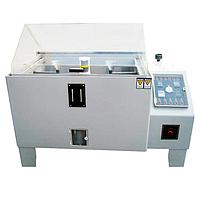
Salt Spray, Corrosion testing Chamber
When coatings, plated parts, fasteners, and metal assemblies need to be evaluated for long-term durability, accelerated corrosion testing becomes a practical part of the quality workflow. A Salt Spray, Corrosion testing Chamber helps laboratories and manufacturers simulate aggressive environments in a controlled way, making it easier to compare materials, verify protective finishes, and support product development or incoming inspection.
These systems are widely used in automotive, electronics, hardware, coating, and industrial manufacturing environments where surface protection matters. On this page, you can explore corrosion test chambers suited to different sample sizes, test methods, and lab capacities, from compact salt spray units to larger cyclic corrosion platforms.
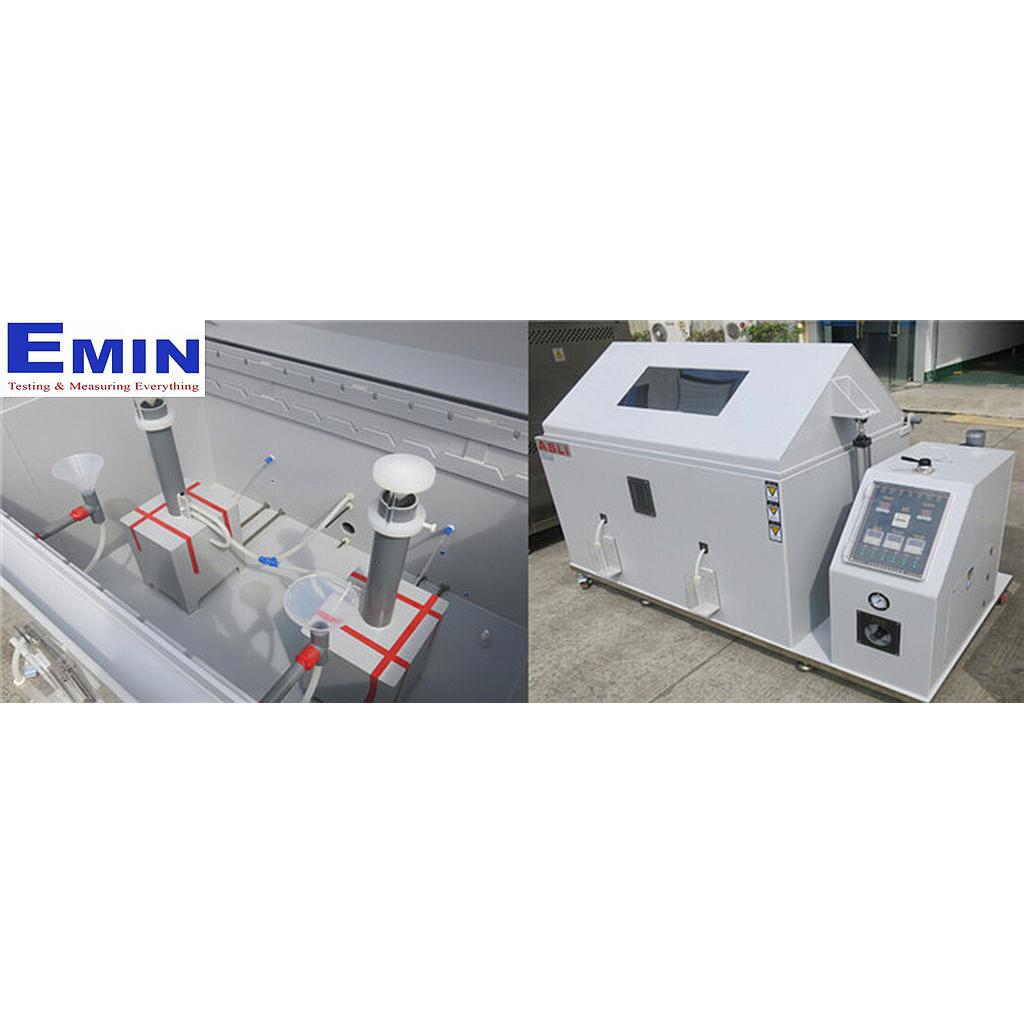
Where salt spray and corrosion chambers fit in testing work
Corrosion chambers are used to create repeatable exposure conditions so that material degradation can be observed in a shorter time than under normal service conditions. In many applications, the goal is not only to see whether rust appears, but also to compare coating systems, plating quality, sealing methods, or surface preparation processes under the same test environment.
Depending on the requirement, testing may involve a continuous salt fog, intermittent spray cycles, or broader cyclic corrosion programs that combine salt exposure with humidity phases. For organizations handling broader environmental durability programs, related thermal equipment such as industrial furnaces may also be part of the overall test workflow for material conditioning or heat-related evaluation.
Common chamber types in this category
This category covers both conventional salt spray chambers and more advanced cyclic corrosion systems. Standard salt spray units are often selected for routine coating comparison, production checks, and specifications that call for neutral salt spray or similar exposure methods. They are typically straightforward to operate and available in multiple chamber sizes.
Cyclic corrosion testers are chosen when the test program requires a more realistic sequence of corrosive and humid conditions rather than a single continuous exposure mode. Models such as the Q-Lab Q-FOG series illustrate this approach, with options like the Q-FOG SSP-600, Q-FOG CCT-600, Q-FOG SSP-1100, and Q-FOG CCT-1100 addressing different chamber capacities and humidity-based corrosion test needs.
Representative products and size ranges
Capacity is one of the first practical differences buyers notice. For compact or mid-sized routine work, examples in this category include the MultiTech MT-HY60 and MT-HY90, while larger test loads may call for models such as the MT-HY120, MT-HY160, or MT-HY200. These product options reflect a range of internal chamber dimensions suitable for different panel counts, component sizes, and laboratory throughput requirements.
For larger-scale cyclic corrosion testing, Q-FOG systems provide chamber volumes in the 640 L and 1103 L class, which can be useful when testing many panels at once or evaluating larger batches with standardized sample placement. Another example in the category is the Bonnin BN-ST-750 salt spray corrosion test chamber, which is designed for controlled spray testing with specified chamber dimensions and temperature stability.
How to choose the right corrosion test chamber
The best starting point is the actual test method you need to run. If your internal specification or customer requirement focuses on standard salt fog exposure, a conventional salt spray chamber may be sufficient. If your application involves alternating wet, humid, and corrosive conditions to better reflect field exposure, a cyclic corrosion tester is often the more appropriate choice.
Sample size and throughput also matter. Large metal panels, multiple test racks, or high daily testing volume usually push selection toward higher-capacity chambers. It is also worth checking the facility requirements early, including power supply, water quality, air supply, and drain availability, because these installation needs can vary significantly between compact chambers and larger corrosion cabinets.
Control accuracy and repeatability are equally important in a B2B setting. Stable temperature control, consistent spray collection, and dependable operating logic help reduce test variation between runs. If your lab also evaluates other package or barrier properties, complementary systems such as a water vapor transmission rate test system or an oxygen permeation system may support a broader materials performance program.
Key features to review before purchasing
Beyond chamber volume, several practical details influence day-to-day usability. Buyers typically review the usable internal dimensions, heater capacity, control interface, construction materials, and whether the chamber supports continuous or intermittent spray programs. Transparent covers, corrosion-resistant chamber construction, and accessible maintenance points can also make routine operation easier.
For larger systems, utility requirements deserve close attention. Some cyclic corrosion testers require compressed air, deionized or distilled water, and adequate venting and drainage. These details affect not only installation planning but also long-term operating consistency. Looking at the complete test setup early helps avoid selecting a chamber that fits the samples but not the site conditions.
Industries and applications
Salt spray and corrosion chambers are commonly used in sectors where surface durability directly affects product reliability or compliance. Typical users include coating manufacturers, metal finishing companies, automotive suppliers, hardware producers, electronics manufacturers, and laboratories supporting qualification or failure analysis.
Typical test specimens include coated steel panels, plated fasteners, painted assemblies, aluminum parts, connectors, enclosures, and treated components exposed to outdoor or chemically aggressive environments. In these contexts, corrosion testing often supports supplier comparison, formulation development, process validation, and quality control rather than acting as a stand-alone pass/fail tool.
Related equipment and broader test planning
A corrosion chamber is most effective when it is selected as part of a complete test strategy. Fixture layout, sample preparation, cleaning procedures, and post-exposure evaluation methods all influence the usefulness of the result. Teams that run multiple mechanical and environmental tests may also consider related support equipment such as vibration isolators to improve instrument stability in sensitive laboratory areas.
For many organizations, the chamber choice is less about finding the largest unit and more about matching the right operating mode, chamber size, and utility configuration to the intended standard or internal procedure. That is why comparing real sample dimensions, expected batch volume, and installation conditions is often more helpful than comparing headline specifications alone.
Finding a suitable chamber for your lab
This category brings together corrosion testing equipment for different testing scales, from practical salt spray chambers to advanced cyclic corrosion systems. Whether you are reviewing compact models for routine QC or larger platforms for standardized coating evaluation, the right choice depends on your test method, specimen load, available utilities, and required repeatability.
If you are narrowing down options, focus on chamber format, usable working space, control approach, and site requirements first. That will usually lead to a more suitable shortlist and a chamber that fits both the technical requirement and the daily reality of your lab or production environment.
Get exclusive volume discounts, bulk pricing updates, and new product alerts delivered directly to your inbox.
By subscribing, you agree to our Terms of Service and Privacy Policy.
Direct access to our certified experts