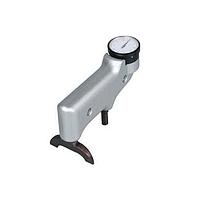
Barcol Hardness tester
When fast hardness checks are needed on aluminum, soft metals, composites, or reinforced plastics, a portable indentation method is often the most practical choice. A Barcol Hardness tester is widely used in production, inspection, and material verification because it allows operators to assess surface hardness directly on the part without sending samples to a lab.
On this category page, you can explore handheld and digital solutions suited to field work, incoming inspection, and quality control processes where speed, repeatability, and ease of use matter. The range also includes supporting accessories and instrument variations designed for different reading formats, data handling needs, and application environments.
Where Barcol hardness testing fits
Barcol hardness measurement is commonly chosen when the test piece cannot be conveniently prepared for bench-top methods, or when a quick on-site reading is needed. The method is especially relevant for lightweight materials and finished parts where portability is important and destructive sampling should be minimized.
Compared with larger laboratory systems, this type of tester helps technicians move directly to the component, panel, profile, or molded part. In many workflows, it complements other hardness methods rather than replacing them entirely. If your applications extend to broader material types or alternative principles, it may also be useful to review a portable hardness meter range for comparison.
Typical instruments found in this category
This selection includes both traditional mechanical impressors and more feature-rich digital instruments. Mechanical units remain popular where simplicity, rugged handling, and straightforward readings are preferred. A good example is the ELCOMETER 3101 series, available in versions referenced against different hardness scales for specific interpretation needs.
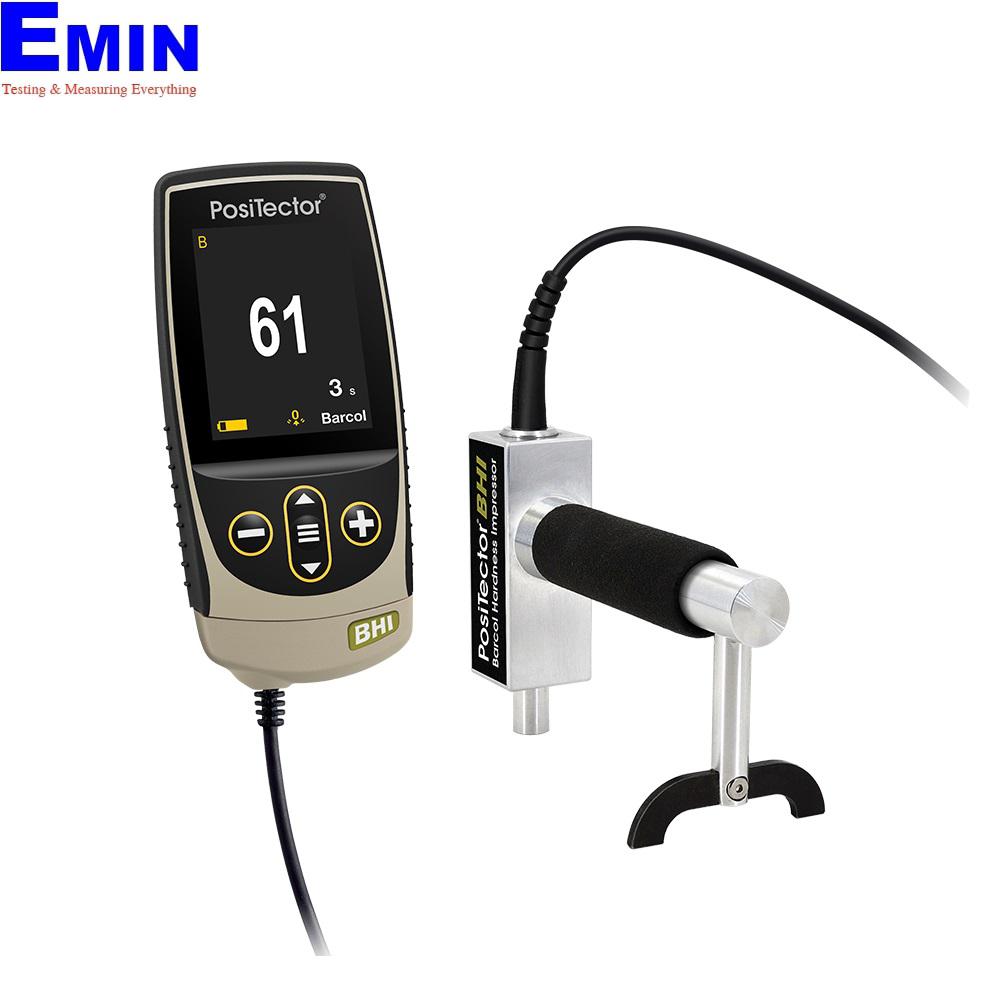
Digital models are often selected when users want higher reading resolution, data storage, or easier transfer of results into inspection records. The PCE 1000N Barcol Hardness Tester offers multi-scale interpretation, while the DEFELSKO BHI1 and DEFELSKO BHI3 PosiTector Barcol Hardness Impressor models are suited to users looking for a more connected workflow, from basic memory functions to advanced data management.
Mechanical, digital, and accessory options
Choosing between a mechanical and digital tester usually depends on how the measurements will be used after they are taken. A purely mechanical instrument is often enough for quick pass/fail checks or routine production monitoring. Models such as the ELCOMETER 3101 Barcol Impressor Hardness Tester are valued for direct operation and compact form.
Digital systems become more attractive when traceability and reporting are part of the process. For example, DEFELSKO BHI1 and BHI3 variants support different levels of stored readings, which can help when multiple batches, operators, or inspection points must be documented. The category also includes accessories such as the DEFELSKO SHDPRBMNT Universal Adaptor for PosiTector SHD, which plays a supporting role in the broader hardness measurement ecosystem rather than serving as a standalone tester.
How to choose the right Barcol hardness tester
The first step is to define your material and inspection objective clearly. Some users need only a fast indication of hardness during fabrication or receiving inspection, while others need readings that can be logged, reviewed, and compared over time. In those cases, differences in memory capacity, display format, and data features can be more important than the basic measurement principle itself.
It is also useful to consider how your team interprets hardness values. Certain instruments in this category present Barcol readings directly, while some models also provide reference to scales such as Brinell, Vickers, Webster, or Rockwell. If your process specification is built around one of those methods, a dedicated Rockwell hardness tester or a universal hardness testing solution may be more suitable for the primary test method.
Examples from leading manufacturers
Several recognized brands are represented in this category, each with a slightly different approach to usability and application fit. DEFELSKO offers PosiTector-based Barcol solutions in both standard and advanced configurations, making them relevant for users who want portability along with digital recordkeeping. The availability of compatible accessories also supports longer-term use in structured inspection programs.
ELCOMETER remains a familiar choice for classic Barcol impressor testing, particularly where operators prefer a proven manual format. PCE adds another digital option with multi-parameter interpretation, while the BYK Buchholz Tester is relevant for users specifically concerned with indentation hardness in coating evaluation. Although Buchholz and Barcol are different test approaches, they may appear in similar quality environments where surface resistance and material response are both important considerations.
Calibration and measurement consistency
Reliable results depend not only on the instrument but also on correct checking and handling. Indentors, test disks, calibration plates, and replacement parts all contribute to maintaining repeatable performance over time. For users working under documented quality systems, keeping verification tools available is just as important as choosing the tester itself.
If your team performs regular verification, it can be helpful to keep dedicated hardness tester standard blocks and related reference items in the same purchasing workflow. This supports more consistent setup, quicker pre-use checks, and clearer traceability during audits or internal quality reviews.
Applications across inspection and production
In practice, these testers are used in workshops, fabrication lines, incoming goods inspection, maintenance environments, and final quality control. Their portable format makes them useful when large or installed parts cannot be brought to a bench instrument. For B2B buyers, this often means shorter inspection cycles and less disruption to the production flow.
They are also suitable when multiple points on the same part need to be checked quickly. A compact handheld tester can help inspectors compare different locations, identify variation across a batch, and flag components that may need deeper evaluation using another hardness method. That makes the category relevant not only for direct measurement, but also as part of a broader material control strategy.
Choosing with the full testing workflow in mind
The most suitable instrument is not always the one with the most features. A better choice is the one that matches your material, your reporting requirements, and the way your operators actually work on the shop floor or in the field. For some teams, that means a simple manual impressor; for others, it means a digital unit with stored readings and easier documentation.
This category brings together practical options for portable hardness inspection, from classic Barcol impressors to digital models and supporting accessories. By selecting the tester that fits your application, verification routine, and data needs, you can build a more efficient and more consistent hardness control process.
Get exclusive volume discounts, bulk pricing updates, and new product alerts delivered directly to your inbox.
By subscribing, you agree to our Terms of Service and Privacy Policy.
Direct access to our certified experts