Shore Hardness Tester
When material flexibility matters as much as strength, hardness testing needs a method that matches rubber, elastomers, plastics, and other soft to semi-rigid materials. That is where the Shore Hardness Tester category becomes especially useful for quality control, incoming inspection, laboratory work, and production-line verification.
On this page, you can explore instruments designed for Shore-based hardness measurement across common scales such as Shore A and Shore D, along with related stands and certified versions for more controlled testing. Whether the goal is quick handheld checking or more repeatable bench-supported measurement, this category helps narrow the right tool for the material and test routine.
Where Shore hardness testing is commonly used
Shore hardness measurement is widely used when evaluating the surface resistance of non-metallic materials to indentation. In practical terms, it helps teams compare batch consistency, verify supplier quality, monitor curing conditions, and confirm whether a component meets its intended feel or mechanical response.
Typical applications include rubber parts, seals, gaskets, rollers, flexible polymers, rigid plastics, and similar materials where Shore scales are more appropriate than metal-focused methods. For users handling a broader range of material types, it can also be helpful to compare this category with Leeb and handheld hardness meters, which serve different testing principles and use cases.
Understanding Shore A and Shore D selection
One of the first decisions is choosing the suitable Shore scale. In general, Shore A is commonly associated with softer materials such as rubber and flexible elastomers, while Shore D is more often used for harder plastics and denser polymer materials. Selecting the wrong scale can lead to readings that are less meaningful for process control.
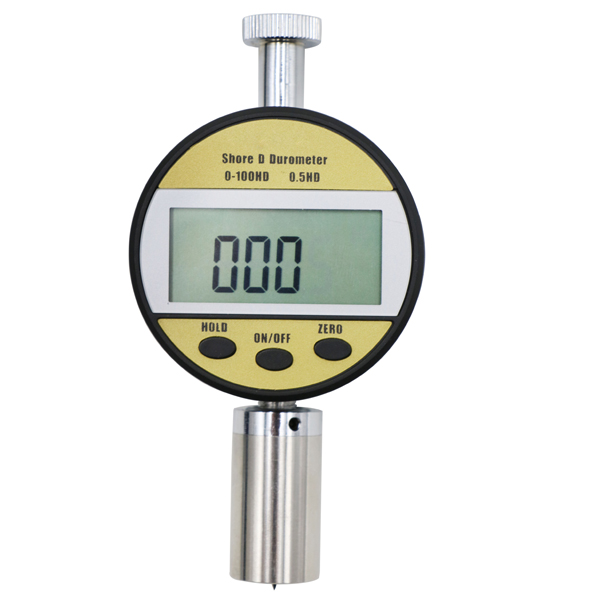
This category includes examples for both needs. Models such as the PCE DDA 10 and PCE DDA 10-ICA are intended for Shore A measurement, while the PCE DDD 10-ICA supports Shore D applications. In the ELCOMETER range, users can also find Shore A and Shore D handheld options, making it easier to align the tester with the material under evaluation rather than forcing one instrument to cover every case.
Handheld testers and digital models in this category
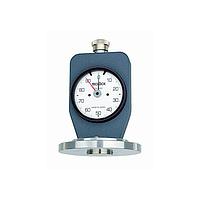
Handheld analog durometers remain a practical choice for routine checks because they are simple, portable, and fast to use. Products such as the ELCOMETER 3120 Shore Durometer in Shore A or Shore D are suitable when operators need direct readings during inspection or at different points in production. Mechanical formats are often preferred in environments where straightforward operation is more important than data storage.
Digital options add advantages for traceability and repeat measurement workflows. The PCE models listed in this category offer features such as fine resolution and onboard memory, which can be useful when results need to be logged, reviewed, or included in quality documentation. For customers who also work with other instrument styles from the same manufacturer, the brand page can provide a broader view of related measurement solutions.
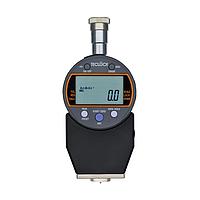
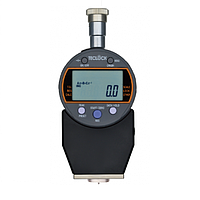
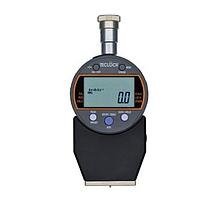
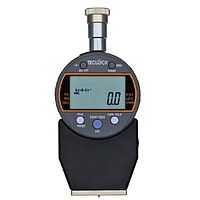
There are also classic durometer designs from TECLOCK, including the GS-750G and GS-701N. These examples illustrate how indenter geometry and spring load vary depending on the target material and Shore approach, which is an important reminder that durometer selection should be tied to the test method rather than appearance alone.
Why test stands and controlled force matter
Even with a good handheld durometer, measurement consistency can be affected by operator technique, contact angle, and applied force. That is why test stands are often used when tighter repeatability is required, especially in laboratories or inspection procedures where results need to be comparable across operators and shifts.
The ELCOMETER 3120 Test Stand BS 61 II versions shown in this category support more controlled Shore measurement for different scales. One version is intended for Shore A, B, and O with 10 N load, while another is designed for Shore D, C, and DO with 50 N load and control ring. In practice, a stand can reduce variation caused by manual pressing and is particularly helpful when testing multiple samples under the same conditions.
Choosing the right Shore hardness tester for your workflow
The best fit usually depends on four practical questions: what material is being tested, which Shore scale is required, how often measurements are taken, and whether the results need formal documentation. For occasional spot checks, a compact handheld durometer may be sufficient. For repeated QC routines, a digital instrument with memory or a stand-assisted setup may be the more efficient choice.
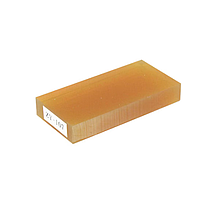
Calibration and verification are also worth considering. Some products in this category are supplied with ISO calibration certificates, which can support documented quality processes. If your procedure includes periodic verification, you may also want to review standard blocks for hardness testers as part of a more complete control setup.
How this category fits within a wider hardness testing setup
Shore instruments are specialized tools, and they are most valuable when used for the right material family. They do not replace every hardness method; instead, they complement other testing technologies in a broader inspection environment. A plant or lab may use Shore durometers for elastomers and plastics while relying on other methods for metallic parts or heat-treated components.
For example, users testing metallic surfaces or welded parts may be better served by an ultrasonic hardness tester or other hardness systems depending on the application. Seeing Shore testing as part of a wider measurement ecosystem makes it easier to choose instruments based on material behavior, required accuracy, and inspection conditions rather than category overlap.
Representative products and brands available
This category features a focused mix of Shore hardness solutions from established manufacturers. ELCOMETER appears prominently with handheld Shore A and Shore D durometers as well as matching test stands. PCE contributes digital Shore A and Shore D instruments, including versions with calibration certificates for users who need traceable documentation. TECLOCK adds classic durometer models that are well suited for users looking at proven mechanical measurement formats.
While brand preference can matter for standardization and service expectations, the more important factor is matching the tester type to the material, testing frequency, and reporting needs. Looking at the product examples on this page is often the fastest way to compare whether you need a basic handheld unit, a digital memory-enabled device, or a stand-supported arrangement for more repeatable indentation testing.
Final considerations before ordering
A suitable Shore hardness tester should support the way your team actually works, not just the nominal measurement range. Material type, Shore scale, repeatability requirements, calibration needs, and whether a stand is needed all influence the right choice. Reviewing these points first helps avoid selecting a tester that is technically compatible but operationally inconvenient.
If you are comparing options in this category, start with the required Shore scale and then refine by tester format, certificate needs, and accessories. That approach usually leads to a more reliable selection and a smoother fit within existing inspection or quality control procedures.
Get exclusive volume discounts, bulk pricing updates, and new product alerts delivered directly to your inbox.
By subscribing, you agree to our Terms of Service and Privacy Policy.
Direct access to our certified experts