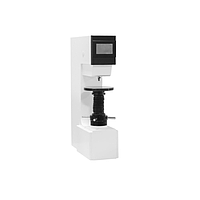
Wood Hardness Tester
When evaluating timber, flooring, panels, or other wood-based materials, repeatable hardness data helps turn visual judgment into measurable quality control. In production, inspection, and laboratory settings, the right instrument supports more consistent comparison of material behavior under load, especially when verifying batches, checking treatment results, or assessing compliance with internal or industry test procedures.
Wood Hardness Testers are designed for this type of controlled measurement. They apply a specified force and record the indentation response with a level of precision that is important for wood and timber materials, where small differences in structure, density, and processing can influence the final result.

Why wood hardness measurement matters
Wood hardness is a practical property for manufacturers and testing teams because it relates to how a material resists localized deformation. This can be relevant when comparing species, validating manufacturing consistency, evaluating engineered wood products, or checking whether a material is suitable for a specific end use.
In many workflows, hardness testing is not an isolated task. It is part of a broader material evaluation process that may also include density, moisture, strength, and surface durability checks. A dedicated tester makes that process easier by providing a controlled load and a precise indication of indentation depth or applied force, reducing operator variability.
Typical applications in labs and industrial quality control
These instruments are commonly used in wood processing plants, research laboratories, furniture manufacturing, flooring production, panel inspection, and timber material evaluation. They can help compare incoming raw materials, monitor process stability, and support product development when different treatments or compositions need to be assessed under the same test conditions.
For organizations working across multiple material types, wood hardness testing may sit alongside broader hardness inspection methods. In some cases, users may also review options such as Rockwell hardness testers for other rigid materials, or universal hardness testers when a wider range of test methods is required.
What to look for when choosing a wood hardness tester
The most important selection factors usually include maximum test load, load resolution, indentation depth accuracy, mechanical stability, and ease of operation. For wood and timber testing, resolution matters because even when the total test force is high, the value of the result depends on how precisely the instrument can control and display the applied load and penetration.
Power requirements, bench space, and instrument weight are also practical considerations, especially for laboratories or inspection rooms with fixed workstations. A stable tabletop system is often preferred where repeatability is more important than portability, while accessories such as work tables, indenters, covers, and protective storage components can improve day-to-day usability.
Representative systems in this category
This category includes bench-type systems such as the EBP HT-1500W Wood Hardness Tester, the LABTT THW-1500, and the HUATEC HHW-1500. These models illustrate the typical configuration expected in dedicated wood hardness testing: controlled loading, digital or clearly readable measurement output, and a structure intended for stable laboratory or workshop installation.
Across these examples, a maximum load of 15,000 N appears as a key reference point, together with fine load indication and micron-level press depth accuracy. Rather than focusing only on force capacity, buyers should also look at how the tester supports repeatable indentation measurement, operator convenience, and consistency with the test standard or internal method being used.
Understanding the role of accuracy and repeatability
For wood and timber materials, natural variation is already part of the material behavior. That makes instrument performance especially important: if the tester itself adds too much uncertainty, it becomes harder to distinguish real material differences from measurement noise. This is why clear load display and precise indentation depth reading are valuable features in this category.
Repeatability also depends on the full test setup, not only the display specification. The condition of the indenter, work surface alignment, sample preparation, and operator procedure all influence the result. Where periodic verification is part of the quality system, users may also need standard blocks for hardness tester verification to maintain confidence in measurement performance.
How wood hardness testers fit into a broader hardness testing workflow
A dedicated wood hardness tester is the right choice when the priority is timber and wood-based materials, but many inspection departments handle metal and non-wood components as well. In those environments, it is common to combine specialized systems with portable devices for fast spot checks on other parts or structures.
For example, handheld solutions such as Leeb and handheld hardness meters may support field inspections where mobility is essential, while a wood-specific bench instrument remains the better option for controlled testing of timber samples in a fixed location. The right mix depends on material type, required precision, sample geometry, and how formal the test record needs to be.
Practical buying considerations for B2B users
For procurement teams, engineers, and lab managers, the best choice is usually the one that matches the actual testing routine rather than the broadest possible feature set. Consider what sample sizes are tested most often, how many measurements are performed per shift, whether the tester will be used for incoming inspection or R&D, and how important digital readability is for reporting and traceability.
It is also worth checking the included accessories and installation requirements. Models in this category may be supplied with items such as an indenter, work table or anvil, power cord, dust cover, manual, and storage case. These details matter because a complete and practical setup can shorten commissioning time and help the instrument move into routine use more smoothly.
Choosing with confidence
A well-matched wood hardness testing setup helps create more reliable material comparison, more consistent quality decisions, and better documentation across laboratory and production environments. Whether you are reviewing systems from EBP, LABTT, or HUATEC, the key is to align the tester with your material type, required load range, accuracy expectations, and workflow conditions.
By focusing on testing purpose, repeatability, and day-to-day usability, it becomes easier to select a solution that supports dependable wood and timber evaluation over time.
Get exclusive volume discounts, bulk pricing updates, and new product alerts delivered directly to your inbox.
By subscribing, you agree to our Terms of Service and Privacy Policy.
Direct access to our certified experts