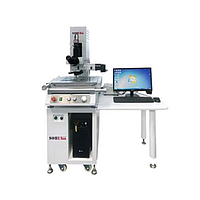
Electronic Measuring microscope
When inspection needs to go beyond simple visual observation, a microscope with digital imaging and measurement functions becomes far more practical than a standard bench setup. For production control, electronics work, lab documentation, and small-part analysis, electronic measuring microscopes help users view, capture, and evaluate fine details with better repeatability and easier data sharing.
This category brings together instruments and imaging components used for microscope-based observation with electronic output, whether the requirement is live viewing on a screen, image capture, dimensional checking, or documented comparison of samples. It is especially relevant for users who need a more connected workflow than a purely visual microscope can provide.
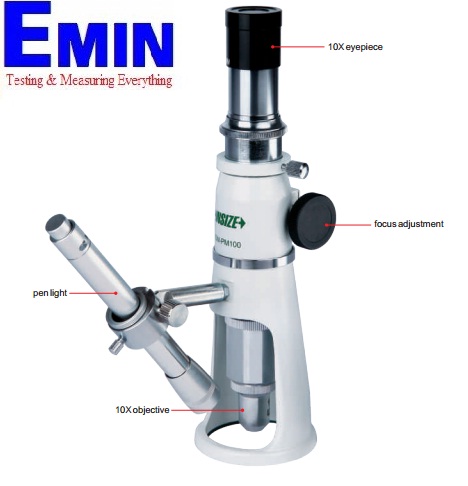
Where electronic measuring microscopes fit in real workflows
In many industrial and laboratory environments, operators need more than magnification alone. They often need to inspect solder joints, small machined parts, fibers, surfaces, biological samples, or assembled components while also saving images, reviewing them later, or presenting them on an external display. That is where a digitally enabled microscope setup becomes useful.
Compared with a conventional visual-only system, an electronic microscope can support image capture, screen-based observation, and more consistent review between operators. Depending on the configuration, it may also simplify reporting, training, and quality documentation. If your application is focused more on classical observation rather than digital integration, our optical microscope range may also be relevant.
Typical configurations in this category
This product group can include several practical formats. One common option is a stereo microscope combined with a camera, which is well suited to assembly inspection, rework stations, and tasks where depth perception matters. Another format is a digital microscope set that combines microscope optics, illumination, and an integrated or bundled camera for direct output through USB, HDMI, WLAN, or related interfaces.
Examples from this category illustrate that range well. The ZEISS Stemi305 + Axiocam 105 and ZEISS Stemi305 Light Microscope - Stereo show how stereo viewing can be paired with camera-based documentation, while KERN digital sets such as the OBN 135T241 or OBL 137C832 represent ready-to-use solutions for users who want microscopy and image acquisition in one package. For compact imaging tasks, USB microscope solutions such as the KERN ODC 895 Digital USB Microscope can also be a practical choice.
Why camera integration matters
For many buyers, the key difference is not just magnification but the addition of a digital imaging workflow. A microscope camera makes it easier to share the same view with colleagues, record conditions before and after a process step, and reduce the subjectivity that can occur when only one person observes through eyepieces.
Standalone camera options can also be important when an existing microscope body is still suitable but the imaging side needs an upgrade. In that situation, products such as the KERN ODC 861, KERN ODC 852, or KERN ODC 841 can help extend the usefulness of a microscope system without replacing the whole setup. If you are selecting cameras, adapters, or illumination add-ons, you may also want to review available microscope accessories.
How to choose the right system
The best choice depends on how the microscope will actually be used. For routine inspection of larger samples or manual work under magnification, a stereo platform is often preferred because it offers comfortable viewing and a practical working distance. The KERN OZL 468 Stereo Microscope and the ZEISS Stemi305 family are good examples of systems suited to this style of work.
For more documentation-driven applications, a trinocular setup can be especially helpful because it is designed to support camera integration without giving up direct viewing. Users comparing systems should look at factors such as working distance, zoom range, lighting method, image resolution, output interface, and whether the workflow requires only live display or also saved images and screen-based review.
Software compatibility also matters in real deployment. Several products in this category support common Windows environments, while some camera models also support mobile-oriented platforms. That can make a difference for training, field use, or production lines where images need to be transferred quickly.
Representative brands and product ecosystems
Several established manufacturers are relevant in this space. ZEISS is widely associated with microscope systems for professional observation and imaging, while KERN offers a broad selection that spans stereo microscopes, digital microscope sets, USB microscopes, and microscope cameras. This variety is useful for buyers who want to standardize around one supplier family for both base instruments and imaging components.
Beyond the featured models listed here, the broader microscope and metrology landscape may also involve brands such as NIKON, MITUTOYO, Mahr, Dino-lite, HIROX, and Euromex depending on the application and purchasing preference. In practice, the right brand choice should follow the inspection task, required image workflow, and compatibility with the rest of the measurement process rather than brand recognition alone.
Common application scenarios
Electronic measuring microscopes are commonly used in electronics inspection, fine assembly, incoming quality control, educational and laboratory imaging, and general small-part examination. Stereo systems are often selected for handling and visual manipulation, while microscope-and-camera combinations are useful when traceability and image records are part of the process.
They can also support communication between departments. A captured image is easier to discuss across production, quality, purchasing, and engineering than a visual observation that cannot be shared. This is one reason digitally enabled microscopes are often adopted even when the measurement requirement is relatively simple.
For tasks that need simpler handheld viewing rather than a full microscope station, a magnifier or loupe may be sufficient. The correct level of equipment depends on sample size, documentation needs, and how repeatable the inspection process must be.
What to compare before ordering
A practical shortlist should begin with the sample type and the inspection objective. If the goal is mainly observation of three-dimensional parts, stereo viewing and comfortable working distance usually deserve priority. If the main goal is recording and reviewing fine image details, then camera resolution, frame rate, and output interface become more important.
It is also worth checking whether the microscope will be used as a complete station or as part of a modular setup. Some buyers prefer an integrated digital microscope set such as the KERN OBN 135C832 or OBL 137T241 because it reduces configuration effort. Others prefer a microscope body plus separate camera so they can tailor the system more closely to existing stands, lighting, or documentation workflows.
Choosing with the application in mind
This category is best approached as a workflow decision rather than a simple product comparison. The right solution depends on whether you need comfortable stereo observation, straightforward USB imaging, a trinocular platform for documentation, or a complete digital microscope set for routine inspection.
By comparing viewing style, camera integration, interface options, and intended use, buyers can narrow the range quickly and select a system that supports both observation and practical measurement tasks over time. If needed, related accessories and adjacent microscope categories can help complete the setup around the core instrument.
Get exclusive volume discounts, bulk pricing updates, and new product alerts delivered directly to your inbox.
By subscribing, you agree to our Terms of Service and Privacy Policy.
Direct access to our certified experts