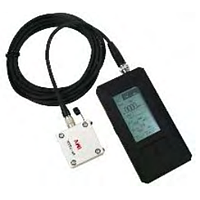
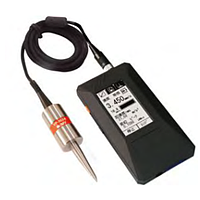
Vibration Meter, Accelerometer and Dynamic Balancing
Unplanned vibration is often one of the earliest signs of wear in rotating equipment, long before a failure becomes visible. For maintenance teams, reliability engineers, and service contractors, having the right tools to measure machine condition helps reduce downtime, support predictive maintenance, and make troubleshooting more objective.
Vibration Meter, Accelerometer and Dynamic Balancing products in this category are used to evaluate machine health, capture vibration behavior, and support field diagnostics on motors, pumps, fans, compressors, and other rotating assets. The range includes portable vibration meters, external sensors, accelerometer-based accessories, and instruments designed for more advanced analysis workflows.

Where these instruments fit in maintenance and machine diagnostics
In industrial environments, vibration monitoring is closely linked to machine reliability. Excessive vibration can be associated with imbalance, misalignment, looseness, bearing wear, resonance, or other mechanical problems. A portable meter allows technicians to verify conditions at the machine, compare readings over time, and identify which assets need deeper inspection.
Compared with dimensional inspection tools such as dial indicators, vibration instruments focus on the dynamic behavior of moving equipment rather than static geometry. This makes them especially useful in preventive and condition-based maintenance programs where trending and early detection are more valuable than reactive repair.
Typical devices found in this category
This category covers several types of instruments with different roles in the maintenance workflow. A vibration meter is typically the first tool used for quick checks and route-based inspections, while an accelerometer or external sensor helps capture vibration data directly from the machine surface with better consistency.
Some products are built for simple field screening, while others support data logging, severity indication, or more advanced analysis. Examples in this selection include the FLUKE FLUKE-805 FC Vibration Meter, FLUKE FLUKE-802EN Vibration Meter, EXTECH 407860 Heavy Duty Vibration Meter, EXTECH SDL800 Vibration Meter/Datalogger, and FLUKE FLUKE-810 Vibration Tester.
There are also accessories that support the measurement ecosystem rather than acting as standalone instruments. The FLUKE FLUKE-805/ES External Vibration Sensor and FLUKE FLUKE-802ES/APAC Vibration Tester Sensor extend measurement capability for compatible devices, while items such as the Extech SDL800-CBL vibration detector probe cable and Extech 407001-USB USB Adapter help with connectivity and data handling.
What to look for when choosing a vibration meter or accelerometer
The right choice depends on how the instrument will be used in the field. For general machine checks, users usually compare support for acceleration, velocity, and displacement measurements, because each parameter can be more meaningful depending on the fault type and machine speed. Frequency range also matters, especially when the goal is to detect low-frequency mechanical issues versus higher-frequency bearing-related behavior.
Another key factor is how the sensor is applied to the asset. A remote probe, magnetic mounting option, or external sensor can improve repeatability when measuring multiple points. This is important when readings need to be trended over time and compared across shifts, operators, or maintenance routes.
Practical features also influence day-to-day use: memory capacity, data logging, ingress protection, and portability all affect whether a tool is better suited for quick spot checks or routine condition monitoring. For example, handheld instruments like the EXTECH VB400 Pen Vibration Meter may be convenient for fast inspections, while a model such as the EXTECH SDL800 Vibration Meter/Datalogger is more aligned with recording and reviewing measurement history.
From spot checks to deeper analysis
Not every maintenance task requires the same level of diagnosis. In many plants, a simple handheld meter is enough to confirm whether a machine is operating within an acceptable vibration level. Instruments such as the FLUKE FLUKE-802EN Vibration Meter or EXTECH VB450 Vibration Meter can support these routine checks with a straightforward workflow.
When the need goes beyond basic screening, a more advanced tester may help connect symptoms to likely fault categories. The FLUKE FLUKE-810 Vibration Tester is a good example of a tool intended for diagnostic support, especially where technicians need more than a pass/fail style reading. In these cases, the value of the instrument comes not only from the sensor itself, but from how clearly it helps users interpret machine condition.
For organizations building a structured maintenance toolkit, it may also be useful to review broader manufacturer portfolios from FLUKE or EXTECH, especially when standardizing devices across teams or sites.
Dynamic balancing and the role of vibration measurement
Dynamic balancing is closely related to vibration control because imbalance is one of the most common causes of excessive vibration in rotating machinery. Before balancing can be performed effectively, the vibration condition must first be measured accurately and consistently. A suitable meter or sensor helps confirm whether imbalance is likely to be the dominant fault and whether corrective action has improved performance afterward.
In practical maintenance work, balancing is rarely isolated from other checks. Teams may first verify machine mounting, alignment, bearing condition, and shaft behavior before concluding that imbalance is the main issue. That is why vibration measurement tools are often part of a broader mechanical inspection workflow, alongside other instruments used for fit, alignment, and geometry verification.
For related dimensional checks on components and mechanical parts, users may also work with tools such as thickness meters or callipers depending on the maintenance task.
Representative brands and product examples
This category includes products from recognized manufacturers used in industrial measurement and machine condition assessment. Among the most visible names in the current selection are FLUKE and EXTECH, with examples ranging from portable handheld meters to sensors and interface accessories.
FLUKE products in this category include the FLUKE FLUKE-805 FC Vibration Meter, FLUKE FLUKE-802EN Vibration Meter, FLUKE FLUKE-810 Vibration Tester, and compatible sensor options such as the FLUKE FLUKE-805/ES External Vibration Sensor. EXTECH examples include the EXTECH 407860 Heavy Duty Vibration Meter, EXTECH SDL800 Vibration Meter/Datalogger, EXTECH VB450 Vibration Meter, EXTECH VB400 Pen Vibration Meter, and EXTECH VB300 3-Axis G-Force USB Datalogger.
Additional manufacturers represented at category level include Brüel & Kjær, Emerson, SKF, TESTO, ACOEM, Cirrus research, IMV, and JFE. Depending on the maintenance approach, users may prioritize portability, logging capability, ease of sensor placement, or compatibility with existing inspection routines.
Who this category is for
These products are relevant for maintenance departments, reliability teams, field service engineers, OEM support teams, and industrial contractors responsible for machine health. They are commonly used in manufacturing plants, utilities, processing facilities, workshops, and service environments where rotating equipment performance has a direct impact on uptime.
Selection usually depends on the maturity of the maintenance program. A team starting with route inspections may prefer a compact handheld meter for fast trend checks, while a more advanced reliability function may need a combination of meter, external sensor, and logging capability to support repeatable analysis over time.
Choosing the right solution for your workflow
The most suitable instrument is not always the one with the most advanced feature set. In many cases, the better choice is the device that matches the user’s measurement points, machine types, reporting needs, and maintenance process. Ease of use, repeatability, and the ability to compare readings over time are often more important than isolated specifications.
Whether the goal is quick fault screening, routine machine trending, sensor replacement, or support for balancing and diagnostics, this category brings together practical options for field vibration work. Reviewing the available meters, accelerometers, and accessories side by side can help narrow the choice to the tools that best fit your equipment and inspection method.
Get exclusive volume discounts, bulk pricing updates, and new product alerts delivered directly to your inbox.
By subscribing, you agree to our Terms of Service and Privacy Policy.
Direct access to our certified experts