
Oxygen generator
Reliable oxygen supply is essential in many care settings, from home use to clinics and support areas where stable oxygen delivery and related handling equipment are needed. This category brings together oxygen generator products and relevant oxygen-support devices for buyers who need practical options for medical use, replacement planning, or system expansion.
For B2B procurement, the key is usually not just finding a device that produces or supports oxygen flow, but matching the equipment to the intended environment, expected duty cycle, user profile, and maintenance approach. That is why this page focuses on the broader selection logic behind oxygen-related medical equipment rather than listing models without context.
Where oxygen generator equipment fits in medical practice
In everyday healthcare workflows, oxygen equipment is used to support patients who require supplemental oxygen in a controlled and dependable way. Depending on the application, buyers may be evaluating concentrator-style systems for continuous use, oxygen monitoring-related devices, or accessories used with oxygen charging and handling processes.
This makes category evaluation more nuanced than a simple price comparison. Teams often need to consider patient mobility, required flow range, alarm functions, electrical compatibility, and how the device will be used alongside other monitoring tools such as a blood pressure monitor or other routine medical measuring equipment.
Representative products in this category
Two examples in this range help illustrate the different roles oxygen-related devices can play. The AirSep VisionAire 5 Oxygen Monitor is a compact medical oxygen device intended for dependable operation with practical warning functions and a form factor suitable for care environments where low noise and manageable size matter.
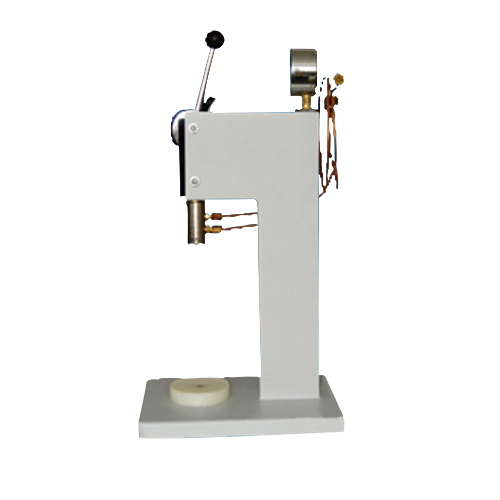
Alongside patient-facing oxygen equipment, this category also includes support tools such as the Samyon CY-1 Oxygen Filling Device (4 MPa). This type of device is designed for filling oxygen to an oxygen bomb used with compatible calorimeter applications, showing that oxygen handling equipment may serve technical or laboratory-related workflows in addition to direct patient support.
The presence of both product types is important for professional buyers. It highlights that oxygen-related procurement may involve not only delivery equipment, but also support devices used in preparation, testing, or controlled oxygen filling tasks.
How to choose the right oxygen equipment
A practical starting point is to define the actual use case. If the goal is routine oxygen support for patients, flow performance, warning functions, physical size, noise level, and power requirements usually take priority. If the device will be placed in a home-care setting, ease of operation and stable long-duration use may be more important than broader system integration.
For technical applications, buyers should focus on safe operating pressure, compatibility with the connected system, and the handling process required by staff. In these cases, understanding the workflow is just as important as reviewing the product itself, especially when oxygen is being filled, transferred, or used in conjunction with specialized instruments.
It is also worth considering the surrounding measurement ecosystem. In many care environments, oxygen support is reviewed together with respiratory and vital-sign monitoring routines, as well as adjacent tools such as a blood glucose meter for broader patient observation depending on the treatment context.
Key evaluation points for B2B buyers
Professional purchasers often compare oxygen equipment based on a few practical criteria rather than marketing language. These include operating stability, power configuration, safety alerts, serviceability, and whether the product fits the intended patient group or technical process.
For example, a compact device with low operating noise may be better suited to home care or smaller treatment rooms. A filling device designed for pressurized oxygen handling should instead be reviewed for pressure endurance, sealing integrity, and safe routine operation by trained personnel.
Manufacturer support can also matter when standardizing procurement. Brands such as Samyon and AirSep may be considered where buyers want consistency in sourcing, documentation review, or easier comparison across similar equipment families.
Understanding the broader oxygen-related ecosystem
Although this category centers on oxygen generator and oxygen-support equipment, selection decisions rarely happen in isolation. Healthcare providers often evaluate oxygen devices together with temperature screening, body measurement, and other monitoring tools that support routine assessment and ongoing care.
That broader view is useful when planning a complete equipment set for a clinic, recovery area, or home-care distribution program. Depending on the workflow, teams may also review categories such as medical thermometers or body measurement devices to support a more complete procurement strategy.
Why product role matters more than product label
In technical catalogs, product naming can sometimes group together devices that serve different but related oxygen functions. One item may be intended for oxygen delivery or monitoring in patient care, while another supports oxygen handling for laboratory or instrument use. Treating them as interchangeable can lead to poor purchasing decisions.
That is why buyers should focus on the actual operating role of each item: patient support, oxygen monitoring, oxygen filling, or process support. Once that role is clear, it becomes easier to compare relevant specifications, installation conditions, and maintenance expectations without overgeneralizing the category.
Application-focused selection support
For hospitals, clinics, distributors, and institutional buyers, the most effective approach is to start from the application and then narrow the product list. Questions such as who will use the device, how often it will run, what alarms are required, and whether the equipment must be moved frequently will usually guide selection better than model names alone.
This is especially useful in oxygen-related categories where equipment may range from compact care devices to specialized technical accessories. Reviewing representative products such as the AirSep VisionAire 5 Oxygen Monitor and the Samyon CY-1 Oxygen Filling Device helps clarify how different oxygen products serve different operational needs.
Final considerations
Choosing oxygen equipment is ultimately about suitability, safety, and workflow fit. A well-matched solution should align with the care setting or technical task, support reliable operation, and make day-to-day use manageable for staff, caregivers, or end users.
Use this category to compare oxygen-related devices in context, with attention to function rather than labels alone. That approach makes it easier to identify the right equipment for medical support, technical handling, or broader healthcare procurement requirements.
Get exclusive volume discounts, bulk pricing updates, and new product alerts delivered directly to your inbox.
By subscribing, you agree to our Terms of Service and Privacy Policy.
Direct access to our certified experts
