Metal detector for Textile products
Foreign metal contamination is a critical issue in garment, fabric, and sewn-product inspection. In textile production and finishing lines, even a small broken needle fragment or iron piece can create product safety risks, trigger customer claims, and disrupt export quality requirements. That is why Metal detector for Textile products equipment is widely used across sewing, finishing, packing, and final inspection processes.
This category focuses on detection systems designed for textile workflows, from compact handheld units for spot checking to conveyor and hanger-type systems for continuous inspection. Depending on the product form, throughput, and sensitivity target, manufacturers can choose solutions that fit everything from small-batch quality control to high-volume production lines.
Why metal detection matters in textile inspection
Textile products often pass through multiple stages involving needles, cutters, machine parts, and metal accessories. During sewing or handling, fragments of broken needles, steel particles, or small iron pieces may accidentally remain inside finished garments, home textiles, or soft goods. A reliable inspection step helps reduce the risk of defective products reaching the customer.
In practice, these systems are commonly placed near the end of the production flow, where finished items are checked before packing or shipment. For factories handling apparel, bedding, or similar soft goods, metal detection supports quality assurance, improves traceability, and helps standardize inspection procedures across different product lines.
Common equipment types for textile applications
Not every textile inspection task requires the same machine format. Portable detectors are useful for localized checks, reinspection, or investigating suspected contamination in specific areas of a garment or fabric section. Conveyor-type systems are better suited to stable, repeatable inspection of folded products, packaged items, or regular production batches.
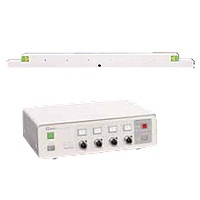
For hanging garments, a dedicated hanger-type needle detector can be more practical than a flat conveyor layout. Models such as the HASHIMA HN-1300H are designed for this kind of workflow, allowing garments to move through inspection while maintaining handling efficiency. For broader textile inspection needs, users can also compare this category with textile metal detection solutions already structured around garment and sewn-product checking.
Examples of textile metal detectors in this category
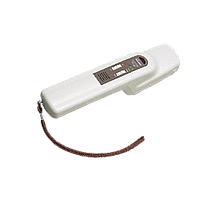
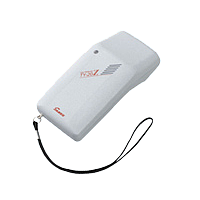
For handheld inspection, SANKO offers compact devices such as the SANKO TY-20Z and SANKO TY-30. These units are suitable when operators need a simple tool for checking suspected needle fragments or iron pieces in a limited area. Their lamp-and-buzzer alarm approach is easy to understand in daily use, especially for manual quality control stations.
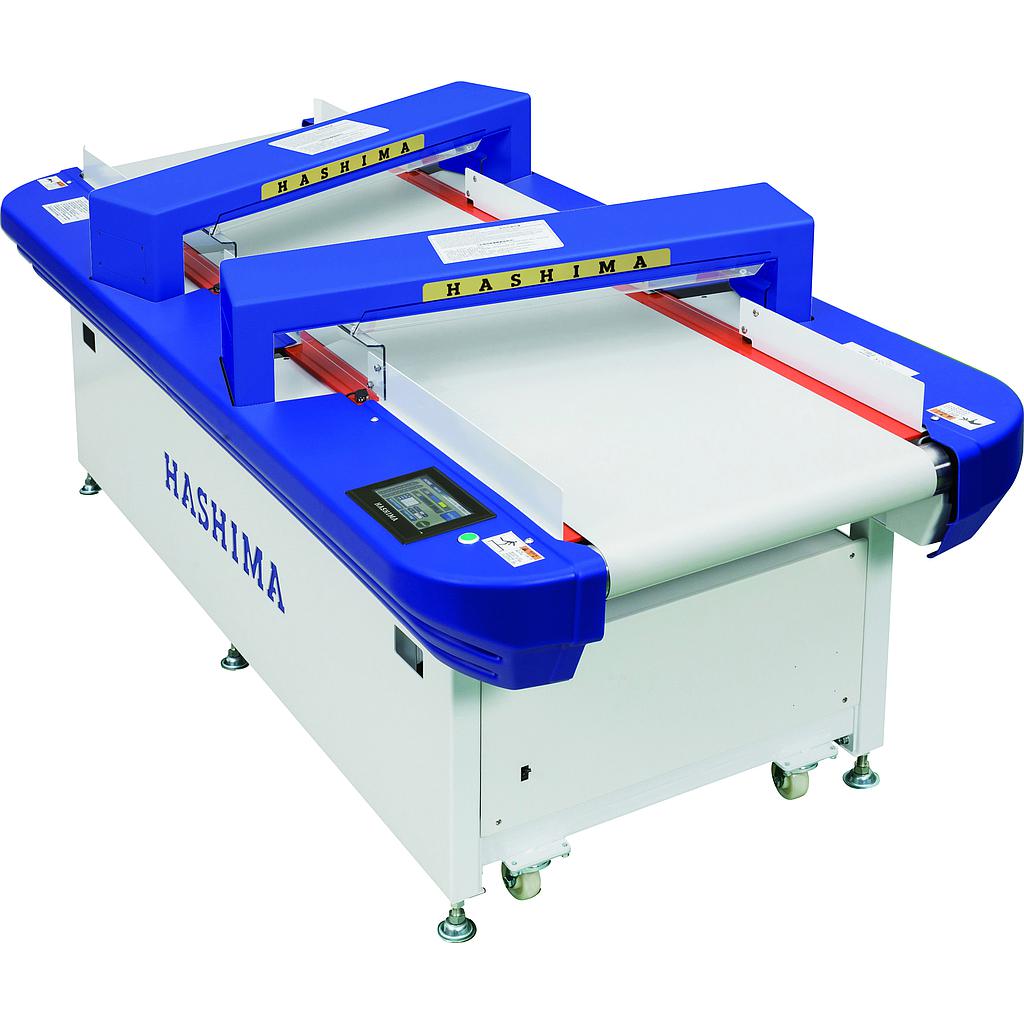
For line integration, conveyor systems such as the HASHIMA HM-6010A, HASHIMA HM-6020A, HASHIMA HN-2880CS-120, and SANKO APA-6900 support continuous product flow. These machines are generally chosen when factories need more consistent inspection over a defined width and height, with alarm and conveyor response functions that help isolate contaminated items. If you are evaluating brands by production style or facility standard, you can also explore HASHIMA equipment and SANKO products for a broader view of available inspection systems.
Needle detectors, metal detectors, and X-ray systems
In textile environments, the terms are sometimes used interchangeably, but they do not always mean the same thing. A needle detector is typically aimed at finding broken needles or ferrous fragments in garments and textile goods, often using magnetic induction methods. A conveyor-type metal detector may be selected when broader metal contamination screening is required in a production line.
Some facilities also consider X-ray inspection when product characteristics, packaging conditions, or inspection policies require a different detection approach. In this category, examples include HASHIMA HNX-S410N, HNX-S410NDS, HNX-S665N, HNX-S665NDS, and HNX-S800NDS. These systems may be relevant when factories need image-based inspection capability alongside standard metal detection logic, although the right choice depends on product type, inspection target, and process design.
How to choose the right system for textile products
The first selection factor is the form of the product being inspected. Folded garments, flat textile items, and hanging apparel each move differently through an inspection point, so machine structure matters. Detection opening size, pass height, belt layout, and handling method should all match the actual product dimensions and the way operators work on the line.
The second factor is sensitivity versus throughput. A factory inspecting lightweight garments at high volume may prioritize stable continuous operation and clear reject handling, while a smaller operation may value portability and flexibility more. It is also worth checking alarm type, belt stop or reverse behavior, and whether the equipment is intended for manual inspection, conveyor flow, or hanging transport. For applications outside textile finishing, related categories such as detectors for metal and wires in walls serve a very different purpose and should not be confused with garment inspection equipment.
Typical use cases across textile production
These systems are commonly used in apparel factories, sewing rooms, textile finishing departments, and export inspection areas. A handheld detector may be used after repair work or when an operator needs to trace a suspected broken needle in a specific garment section. Conveyor systems are often installed before final packing so each piece or batch can be screened under standardized conditions.
Hanger-type inspection is especially useful for garments that need to remain suspended to preserve presentation or simplify movement between finishing and quality control. In all of these cases, the goal is not just detection itself, but a more controlled inspection workflow that supports faster decision-making and fewer downstream quality issues.
Key points to review before purchase
When comparing equipment, it helps to focus on a few practical points: target contaminant type, product size, required inspection speed, installation space, and how rejected items will be handled. Power supply, machine dimensions, and operator interface also matter in real production environments, especially where the detector must fit into an existing line.
For many buyers, the most effective approach is to start from the textile product format and inspection objective rather than from model names alone. A compact handheld unit, a conveyor needle detector, a conveyor metal detector, or an X-ray inspection machine can all be valid choices, but each suits a different process condition. Reviewing representative models in this category can help narrow the shortlist before moving to detailed technical evaluation.
Conclusion
Choosing the right textile inspection equipment depends on how your products move, what type of metal contamination you need to detect, and how inspection fits into the rest of your production flow. This category brings together practical options for manual checking, conveyor-based screening, hanger-type inspection, and advanced line systems from established manufacturers.
Whether you are upgrading a garment finishing process or setting up a new quality control stage, a well-matched detector helps build a safer and more consistent inspection routine. By comparing application fit, machine format, and inspection logic, buyers can identify a system that supports both product quality and day-to-day factory efficiency.
Get exclusive volume discounts, bulk pricing updates, and new product alerts delivered directly to your inbox.
By subscribing, you agree to our Terms of Service and Privacy Policy.
Direct access to our certified experts