
Underground metal detector
Field detection work often starts with a practical question: how do you identify buried metallic targets accurately while dealing with changing soil conditions, target depth, and different search environments? For users comparing systems for land survey, recovery work, prospecting, or general underground search, the answer usually depends on choosing the right detector architecture rather than simply looking at one specification.
Underground metal detector systems cover a broad range of use cases, from compact pinpointers for close target recovery to advanced search platforms designed for wider-area scanning, deeper detection, or operation in difficult terrain. This category brings together equipment suited to underground target detection with different operating principles, coil configurations, and user interfaces, making it easier to match the tool to the job.
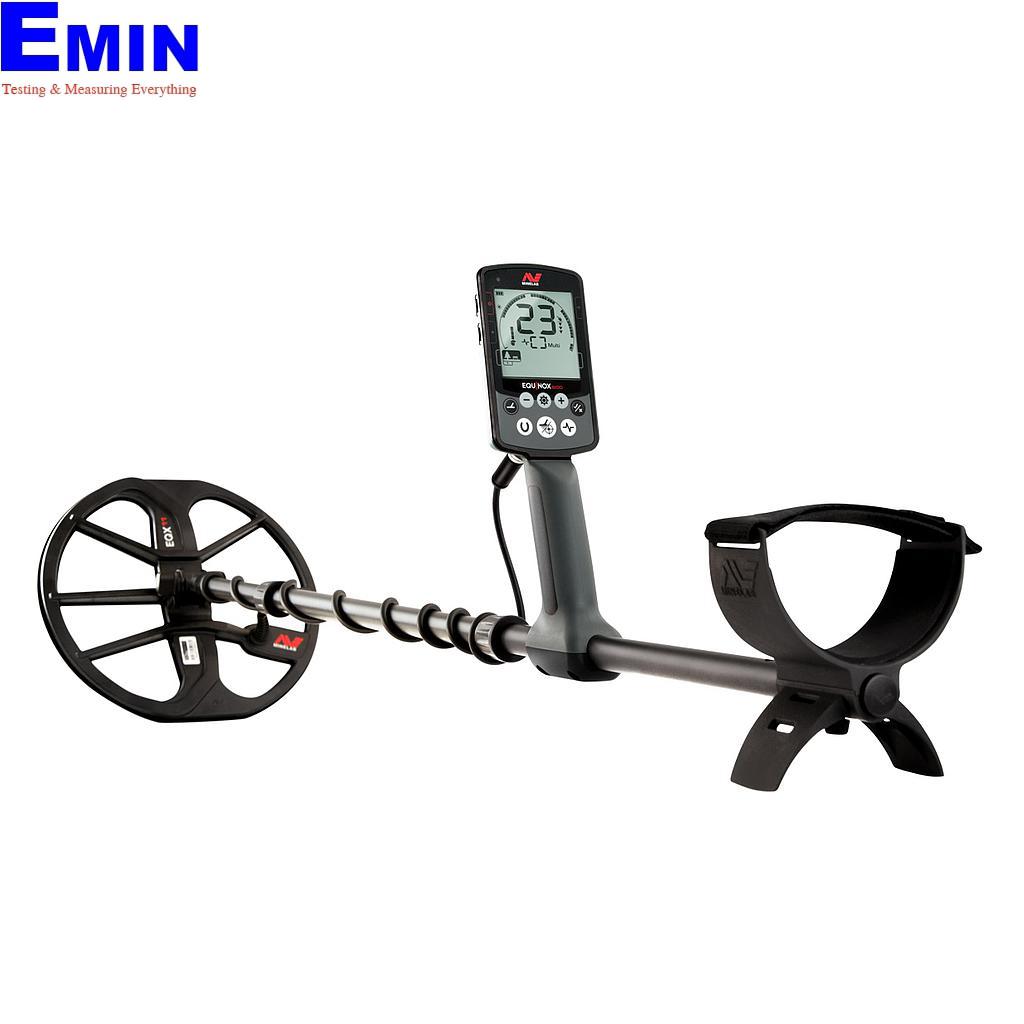
Where underground metal detectors are used
Underground detection is relevant in several working scenarios. Some users need to locate buried metallic objects in open ground, fields, or mixed terrain, while others need a detector that can adapt between park, beach, and inland conditions. In these situations, factors such as mineralized soil, surface clutter, target separation, and waterproofing can influence equipment choice just as much as nominal depth capability.
This is also why underground search equipment overlaps with adjacent detection tasks. For example, applications involving utilities and infrastructure may be better served by a dedicated pipe & cable locator, while indoor building inspection may call for wall and wire detection tools. Understanding that distinction helps buyers avoid selecting a ground-search detector for a completely different job.
Common detector types in this category
Not every underground detector is built for the same search method. A compact pinpointer is typically used after an initial signal has already been found, helping the operator isolate the target in soil, sand, or a recovery hole. Full-size detectors, by contrast, are better suited to systematic sweeping over larger ground areas and usually offer broader control over sensitivity, target identification, and search profiles.
There are also systems intended for more specialized search tasks. Some models in this category use Pulse Induction for operation in wet or conductive environments, while others rely on VLF or multi-frequency platforms to improve discrimination and adaptability across different target types. More advanced systems may add visual mapping, multiple coils, or dedicated search modes for terrain-specific work.
Examples from MINELAB and NOKTA
Among the widely recognized names in this category are MINELAB and NOKTA, both represented here with equipment that addresses different underground detection needs. MINELAB models such as the MANTICORE, X-TERRA ELITE, and X-TERRA ELITE EXPEDITION illustrate the full-size detector segment, where users may need multiple search modes, waterproof construction, and adjustable recovery behavior for varied ground conditions.
For close-range recovery and pinpointing, products like the MINELAB PRO-FIND 40, MINELAB PRO-FIND 20, NOKTA POINTER, and NOKTA ACCUPOINT show the role of handheld detectors within the workflow. These are not substitutes for a full ground-search detector in large-area scanning, but they can be highly useful once a buried target has been narrowed down.
NOKTA also appears in the category with specialized solutions such as PulseDive and the PulseDive 2-in-1 Set for underwater or wet-environment operation, along with more advanced systems like JEOHUNTER 3D DUAL SYSTEM, DEEPHUNTER 3D PRO PACKAGE, and INVENIO. These examples indicate how the category extends beyond basic hobby-style search into more feature-rich underground detection platforms.
What to evaluate before choosing a detector
The first selection point is usually the search environment. If the detector will be used across dry land, wet ground, shoreline areas, or shallow underwater conditions, waterproof rating and operating principle become important. Equipment such as Pulse Induction designs may be attractive where conductive ground or underwater use is a priority, while multi-frequency or VLF-based units can be better suited when users need a balance of sensitivity and target discrimination.
A second factor is target separation and user control. Adjustable sensitivity, target ID ranges, ground balance options, and search modes can make a real difference when the ground contains mixed metal clutter. In practical use, these controls help reduce unnecessary digging and improve consistency when moving between cleaner ground and more contaminated areas.
Coil size and system form factor should also be considered carefully. Smaller coils or compact pinpointers help with precision and confined recovery, while larger search coils can support wider coverage. Buyers should also think about ergonomics, battery type, audio output options, and whether wireless audio or vibration alerts matter in the intended working conditions.
Pinpointers versus full-size underground detectors
One of the most common purchasing mistakes is comparing pinpointers directly with main detectors as if they serve the same purpose. A handheld unit such as the NOKTA ACCUPOINT or MINELAB PRO-FIND series is designed for final-stage location, helping the operator identify the exact spot of a target after excavation begins. That makes it a useful accessory, but not a replacement for a sweep-based underground detector.
Full-size systems such as the MINELAB MANTICORE or X-TERRA ELITE family are more appropriate for searching broader areas and interpreting subsurface signals before digging. If the use case involves scanning fields, open land, beaches, or mixed terrain, a main detector is usually the starting point, with a pinpointer added later to improve recovery speed and accuracy.
Related categories for more specific search needs
Some buyers arrive at this category while actually looking for a more targeted application. If the focus is coin, jewelry, or gold recovery in ground-search scenarios, reviewing the underground gold and jewelry detector range may help narrow the options. That can be especially useful when the search objective is more specific than general buried metal detection.
At the same time, underground search should not be confused with process inspection or product-line contamination control. Categories such as textile-oriented metal detection systems serve a very different industrial purpose. Clarifying the intended application early makes product comparison faster and more meaningful.
Choosing with the application in mind
The most effective way to compare this category is to start with the detection task, then match the detector type to the environment, target profile, and operator workflow. A waterproof pinpointer, a versatile multi-mode detector, and a specialized 3D underground system may all belong in the same category, but they solve different problems in the field.
By reviewing operating principle, search modes, physical configuration, and recovery requirements together, buyers can identify whether a compact accessory or a full underground detection platform is the better fit. For users working across varied ground conditions, this category offers a practical starting point for selecting equipment that aligns with real search conditions rather than generic specifications alone.
Get exclusive volume discounts, bulk pricing updates, and new product alerts delivered directly to your inbox.
By subscribing, you agree to our Terms of Service and Privacy Policy.
Direct access to our certified experts