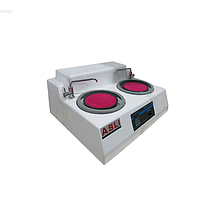
Grinding metallographic polishing machine
Reliable surface preparation is a critical step in metallography, failure analysis, and material inspection. Before a sample can be examined under a microscope or used for hardness and structure evaluation, it usually needs controlled grinding and polishing to produce a flat, repeatable, and deformation-minimized surface. This is where the grinding metallographic polishing machine category becomes essential for laboratories, quality departments, and production environments.
On this page, you can explore equipment suited to different preparation workflows, from manual polishing for routine work to more advanced automatic systems for higher throughput and better consistency. Depending on sample size, material type, and required finish quality, users may choose between single-disc, dual-disc, vibratory, precision grinding, or automated grinding and polishing solutions.
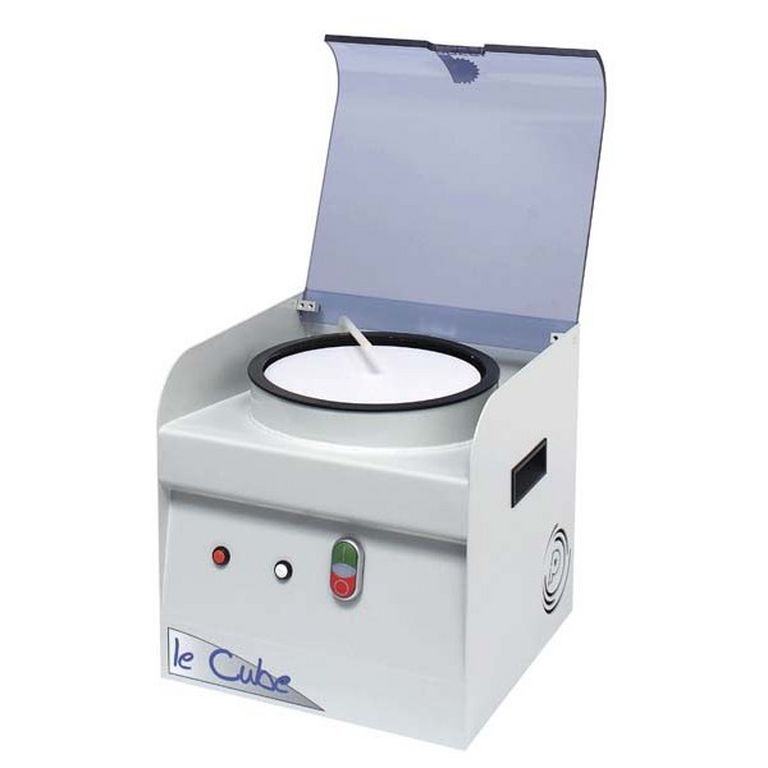
Why grinding and polishing matter in metallographic preparation
Metallographic analysis depends heavily on sample quality. If the preparation stage introduces excessive scratches, rounding, overheating, or uneven removal, the final inspection results may become difficult to interpret. A well-matched machine helps maintain surface flatness, controlled material removal, and a finish appropriate for microscopy or further etching.
In practical workflows, grinding is typically used to remove damage and level the specimen, while polishing refines the surface to reveal microstructural details. For many laboratories, this process works best when combined with upstream and downstream preparation steps such as sample cutting equipment and mounting machines, especially when handling irregular or small specimens.
Common machine types in this category
This category covers a broad range of preparation equipment rather than one single machine format. Manual grinder-polishers are often preferred for flexible day-to-day sample work, operator control, and lower-volume preparation. For example, dual-disc systems such as the Trojan Alpha-212 and Trojan Alpha-212D are suitable when users want separate stations or faster transitions between grinding and polishing steps.
Automatic models are typically chosen when repeatability, reduced operator influence, and batch handling become more important. Machines such as the Trojan Alpha-610, Alpha-660, Alpha-611, and Alpha-661 illustrate how automated platforms can support structured workflows with controlled loading, touch-panel operation, and options suited to different preparation needs.
For more specialized finishing, vibratory polishing and precision grinding systems may be more appropriate. The Trojan VP-430 Vibratory Polisher is relevant when fine final polishing is required, while machines like the Trojan OPT-380 Automatic Precision Grinder and Polisher or the Trojan SemiPOL High Precision Quantitative Grinding Machine fit applications where removal control and preparation accuracy are more critical.
How to choose the right system for your lab or production environment
The best choice usually depends on three practical factors: specimen characteristics, required finish quality, and daily sample volume. A lab preparing a small number of standard samples may prefer a simpler manual machine, while a quality-control department processing many parts per shift may benefit more from an automated system with stable process settings.
Another key point is the level of process repeatability you need. If your work involves comparative analysis, failure investigation, or standardized reporting, consistency across operators and batches becomes especially important. In that context, automatic grinder-polishers with controlled speed, loading, and timed cycles can help reduce variation in sample preparation.
Users should also consider disc size, sample holder configuration, speed control, and whether quantitative removal is needed. For instance, the Trojan Alpha-660 and Alpha-610 are presented with quantitative grinding capability, while the Alpha-661 and Alpha-611 are more suitable where that level of removal control is not required. Precision-focused users may also review solutions from Trojan when evaluating different preparation levels within one brand ecosystem.
Examples of equipment in this category
Several representative products help illustrate the scope of available equipment. The Trojan Alpha-335P Grinding and polishing machine is aimed at applications that require controlled grinding and polishing with removal management, while the Trojan Alpha-335G Floor-standing grinding machine is better aligned with more intensive grinding tasks in a floor-standing format.
For routine preparation, the Trojan Alpha-212 and Alpha-212D provide a more conventional manual workflow. When users need a higher level of precision in material removal and surface geometry control, the Trojan SemiPOL High Precision Quantitative Grinding Machine and Trojan OPT-380 Automatic Precision Grinder and Polisher stand out as more advanced options for demanding metallographic preparation.
This category may also include supporting tools used in surface finishing and localized polishing work. For example, the 3M 7403 Polishing sander represents a different type of polishing-related tool that can support certain finishing tasks, although it serves a different role from a full metallographic grinder-polisher system.
Applications across materials labs and industrial quality control
Grinding and metallographic polishing machines are used in materials testing, metalworking, manufacturing QA, educational labs, and failure analysis environments. They support the preparation of specimens for microstructure observation, inclusion analysis, coating evaluation, and general material characterization.
These systems are relevant in sectors where understanding the internal structure of a sample is important, including machining, mold-related manufacturing, metal processing, and industrial research. In many workflows, the preparation route may involve cutting, mounting, grinding, polishing, and then microscopic examination. If your process also includes adjacent fabrication or finishing tasks, related equipment such as an engraving machine may also be part of the broader workshop setup.
Manual, automatic, and precision-focused workflows
Manual grinder-polishers are usually a good fit for operators who need flexibility and direct control over each preparation stage. They are often selected in smaller labs, training environments, or applications where sample types vary frequently and process parameters need to be adjusted case by case.
Automatic grinder-polishers are better suited to repetitive workloads, documented procedures, and higher throughput. By standardizing speed, force, and cycle time, they can help reduce operator dependence and improve consistency between samples. This makes them especially useful in production-linked laboratories and formal testing environments.
Precision grinding and vibratory polishing systems are typically chosen when the preparation target is more demanding. These systems can be valuable when users need better control of removal depth, low-distortion finishing, or improved surface quality before detailed microscopic analysis.
What to consider before ordering
Before selecting a machine, it is worth defining the materials you prepare most often, the typical specimen size, and whether your workflow is routine inspection or more advanced analysis. The ideal setup for steel, non-ferrous metals, coatings, or mounted samples may differ in terms of polishing stage, pressure control, and required flatness.
It is also useful to think about future workflow expansion. Some buyers start with a manual platform and later move toward automation as sample volume increases. Others prioritize a system that supports precise removal control from the beginning because their application requires more tightly managed preparation results.
A suitable grinding metallographic polishing machine should align with your preparation sequence, operator skill level, and reporting requirements. By comparing manual, automatic, vibratory, and precision-oriented models within this category, buyers can identify a solution that supports consistent sample preparation and more reliable metallographic evaluation.
Get exclusive volume discounts, bulk pricing updates, and new product alerts delivered directly to your inbox.
By subscribing, you agree to our Terms of Service and Privacy Policy.
Direct access to our certified experts