
Handheld X-ray Fluorescence Spectrometer
Fast alloy sorting, incoming material verification, and on-site compliance screening often need an instrument that can deliver elemental results without cutting, destroying, or sending samples to a lab. In these situations, a Handheld X-ray Fluorescence Spectrometer is widely used because it supports rapid, non-destructive material analysis directly in the field, workshop, warehouse, or inspection area.
Within non-destructive testing workflows, handheld XRF systems are valued for helping users identify metals, screen restricted substances, and check material consistency with minimal sample preparation. They are especially relevant when speed, portability, and traceable elemental data matter more than lengthy laboratory procedures.
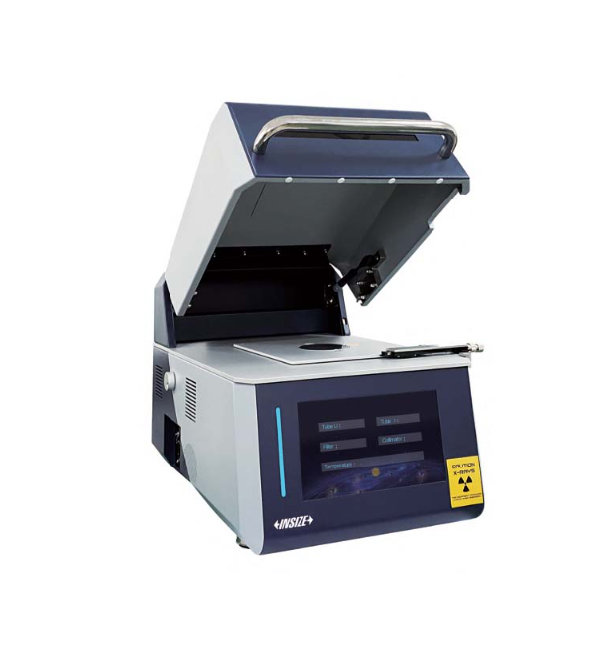
Where handheld XRF fits in industrial inspection
A handheld XRF device is typically selected when the goal is elemental identification rather than internal defect imaging. It is commonly used for positive material identification, scrap metal sorting, coating or screening tasks, and basic composition checks on metals and other industrial materials. Because the method is non-destructive, the same part can often remain in service, stock, or production after testing.
This makes the category useful across manufacturing, metal processing, quality control, recycling, maintenance, and incoming goods inspection. In broader NDT environments, companies may combine XRF with other inspection methods depending on the task. For example, when the requirement is composition analysis rather than crack detection, XRF is more relevant than an ultrasonic flaw detector or similar defect-focused tools.
What X-ray fluorescence analysis is used for
X-ray fluorescence works by exciting a sample and measuring the characteristic secondary X-rays emitted by the elements present. In practical terms, this allows the operator to estimate which elements are in the material and, depending on the application, assess their relative or calibrated concentrations. That is why XRF is widely adopted for alloy verification and restricted substance screening.
On category pages like this, buyers are often comparing use cases rather than looking for theory alone. The most common needs include sorting mixed metal stock, checking alloy grade before fabrication, verifying raw materials on receipt, and supporting RoHS-related screening workflows. If your application is more focused on quick elemental checks than full laboratory chemistry, handheld XRF is often the first technology considered.
Typical materials and applications
In industrial environments, handheld XRF is frequently used on stainless steel, tool steel, copper alloys, nickel alloys, aluminum alloys, and other engineering metals. It can support maintenance teams during shutdowns, help purchasing teams confirm supplied materials, and assist inspection personnel in verifying whether a component matches the expected composition before assembly or shipment.
Another common use is environmental or compliance-oriented screening, especially where hazardous element checks are part of supplier control or product assessment. For businesses that need a broader comparison with bench or station-based elemental tools, related options such as a metal content meter may also be relevant depending on sample type, workflow, and reporting requirements.
Representative systems in this category ecosystem
Although this page targets handheld XRF as a category, some buyers also review bench-style or larger XRF systems to understand the wider solution landscape. For example, the HITACHI EA1280 EDXRF Analyzer is a benchtop solution designed for elemental analysis across a broad range, including applications such as restricted substance screening. It illustrates how XRF technology can be deployed when a controlled chamber, dedicated software, and more standardized sample handling are preferred.
Another reference point is the Samyon DF-1000 X-ray Fluorescence Spectrometer, which reflects a more instrument-based setup for simultaneous multi-element analysis with features such as an SDD detector and automated sampling support. These examples help clarify an important purchasing decision: handheld XRF prioritizes portability and field usability, while benchtop XRF may be better suited to fixed inspection stations and repeatable routine testing.
How to choose the right handheld XRF instrument
The right choice depends first on the material types you test most often. If your work centers on alloy identification, you should focus on elemental coverage, grade library logic, measurement speed, and ease of use in field conditions. If compliance screening is the main objective, then software workflow, reporting, and calibration approach become more important than simple grade sorting.
It is also worth considering sample geometry, surface condition, and throughput. Rough, coated, curved, or very small samples may affect measurement quality, so the actual inspection environment should guide the selection. Battery operation, user permissions, data export, and ruggedness can be just as important as detector performance when the instrument will be used across multiple sites or by several operators.
For buyers comparing technologies, there is also a distinction between composition analysis and structural defect inspection. If your parts must be checked for internal discontinuities rather than chemistry, an X-ray flaw detector belongs to a different inspection path. Understanding this difference helps prevent choosing a device that is technically advanced but mismatched to the job.
Operational considerations before purchase
A portable XRF analyzer should be evaluated not only by headline specifications but also by workflow practicality. Consider how measurements will be stored, whether the interface is simple for routine operators, how results are transferred into quality records, and whether the device supports your inspection procedure. In B2B purchasing, repeatability and operator consistency usually matter more than one-time demonstration performance.
Radiation safety and internal operating procedures are also part of implementation. While handheld XRF is designed for industrial use, it still requires proper training, controlled use, and suitable inspection practices. Teams that define acceptance criteria in advance tend to gain more value from the instrument because results are interpreted within a clear QA or maintenance framework rather than as isolated readings.
Why this category matters for B2B sourcing
For industrial buyers, handheld XRF offers a practical bridge between lab analysis and everyday production decisions. It supports faster release of incoming materials, improves traceability in alloy handling, and helps reduce the risk of material mix-ups before they become expensive process or warranty issues. That is why it remains a valuable tool in modern inspection and material verification programs.
When selecting from this category, the most effective approach is to start with the application: alloy sorting, PMI, compliance screening, or general elemental checks. From there, compare portability, usability, data workflow, and fit for your actual samples. A well-matched handheld XRF system can become a dependable part of routine quality control, maintenance support, and field inspection without adding unnecessary complexity.
Get exclusive volume discounts, bulk pricing updates, and new product alerts delivered directly to your inbox.
By subscribing, you agree to our Terms of Service and Privacy Policy.
Direct access to our certified experts