
Fiber tool
Reliable fiber work starts long before a link is tested or a splice is completed. In installation, maintenance, and lab environments, the quality of preparation tools has a direct impact on connector cleanliness, cleave consistency, and overall network performance. This is why choosing the right Fiber tool matters just as much as selecting the transmission or test equipment around it.
This category brings together practical tools used in optical fiber handling, especially for cleaning and cleaving tasks that support accurate splicing, termination, and troubleshooting. Whether the job involves single fiber, ribbon fiber, field installation, or bench work, the right tool helps reduce rework, protect fiber quality, and improve repeatability across the workflow.
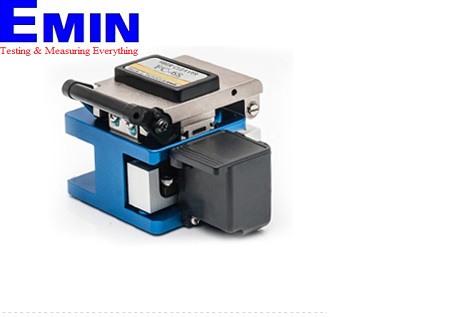
Where fiber tools fit in the optical workflow
Fiber preparation tools sit at the core of day-to-day optical work. Before using a fusion splicer, technicians typically need a clean endface and a precise cleave. In maintenance and fault isolation tasks, good preparation also supports more reliable readings from an OTDR meter and other optical test instruments.
In practice, these tools are used during cable deployment, connector assembly, pigtail handling, patch cord servicing, and repair work. Even small differences in cleave angle, debris control, or blade condition can influence splice loss and inspection outcomes. For that reason, fiber tools are often selected with the same attention given to measurement and installation equipment.
Main tool types in this category
A large part of this category focuses on fiber cleavers, which are essential for producing a controlled fiber end prior to splicing or termination. The available range includes benchtop and handheld designs, with options for single fiber as well as models that support ribbon fiber configurations. These differences are important because field repair, workshop preparation, and high-volume ribbon handling do not always require the same tool format.
Another example in this category is the Dimension Offsoon Mark II Plus Fiber Endface Cleaning Machine from Dimension. This type of equipment supports endface cleaning as part of connector preparation and contamination control. Clean connector surfaces help reduce insertion loss risks and improve the reliability of inspection and test results.
Representative cleaving solutions here include models from SUMITOMO, such as the FC-6R and FC-6 series in benchtop and handheld formats, along with the FC-7LS for portable field use. Rather than treating all cleavers as interchangeable, it is better to match the tool to the fiber count, work style, and environment involved.
Benchtop and handheld cleavers serve different needs
Benchtop cleavers are often preferred where stability and repetitive preparation are priorities. In workshop settings or fixed preparation stations, they can support consistent handling of single fiber or 1 to 12 fiber applications. Models such as the SUMITOMO FC-6R Benchtop fiber cleaver and SUMITOMO FC-6 Benchtop fiber cleaver illustrate this type of setup-oriented tool selection.
Handheld cleavers, by contrast, are useful when portability matters. A model like the SUMITOMO FC-6+ Handheld fiber cleaver is suited to field technicians who need a compact tool for single fiber or ribbon work without carrying a larger bench setup. The SUMITOMO FC-7LS Handheld fiber cleaver is another example for portable use, especially where compact size and practical handling are important on site.
The right choice depends on how the work is performed. If the job involves frequent moves between cabinets, outside plant points, or customer premises, handheld equipment may be the more efficient option. If the priority is repeatable preparation at a fixed station, a benchtop design may be more suitable.
What to consider when selecting a fiber tool
Selection should begin with the fiber type and fiber count. Some cleavers in this category are intended for single fiber, while others can handle single to 12-fiber ribbon applications. Matching the tool to the actual cable and workflow avoids unnecessary complexity and helps maintain process quality.
Cleave length range is another practical factor. Depending on the termination method, holder style, or splicing process, technicians may need different cleave lengths for coated fiber, buffered fiber, or ribbon fiber. This is why product-level details matter, especially when integrating the tool into an existing preparation routine.
It is also worth checking blade management, off-cut collection, and portability. Features such as automatic blade rotation, field-replaceable blades, or built-in off-cut collection can simplify maintenance and improve safety. In mobile work, size and weight may matter more; in repeated bench work, stability and handling convenience may take priority.
Why cleaning quality and cleave quality both matter
In fiber optic work, preparation is not just about cutting the fiber to length. A clean endface and a proper cleave contribute directly to downstream performance. If contamination remains on the connector or if the fiber end is poorly prepared, technicians may face higher splice loss, more failed inspections, or inconsistent test results.
This is where cleaning machines and cleavers complement one another. A solution such as the Dimension Offsoon Mark II Plus Fiber Endface Cleaning Machine addresses connector cleanliness, while cleavers like the SUMITOMO FC-6R or FC-6+ support controlled fiber preparation. Together, they help create a more stable process before splicing, testing, or troubleshooting.
For teams that also perform verification after preparation, tools in categories such as optical power meter and optical fault locator can be relevant complements, especially when checking link continuity or basic loss conditions after fiber handling work.
Typical applications across installation, maintenance, and lab work
Fiber tools are used in many environments, from telecom deployment and enterprise cabling to industrial communication and optical research support. During network rollout, cleavers are commonly used before splicing backbone and access fibers. In maintenance, portable cleavers and cleaning tools help technicians restore damaged links and prepare replacement fibers on site.
In controlled technical environments, benchtop tools can support more repeatable preparation for production, training, or lab-related tasks. The distinction is less about one tool being universally better and more about choosing a solution that aligns with the way the fiber is handled, the operator’s workflow, and the expected throughput.
Choosing with long-term usability in mind
For B2B buyers, it is useful to look beyond the initial tool format and think about ongoing operation. Blade life, replacement convenience, compatibility with the intended fiber arrangement, and handling ergonomics all affect total usability over time. A tool that fits the daily workflow can help reduce preparation errors and keep field teams more efficient.
Brand preference may also depend on standardization within a maintenance team or project environment. In this category, examples from SUMITOMO and Dimension highlight two practical areas of fiber preparation: precision cleaving and connector endface cleaning. The best fit depends on whether the priority is portability, bench stability, single-fiber work, ribbon capability, or cleanliness control.
Build a more reliable fiber preparation process
A well-selected fiber tool supports more than a single task. It helps create a smoother preparation process for splicing, testing, and repair, with fewer avoidable issues caused by poor cleaves or contamination. That makes this category especially relevant for installers, service teams, contractors, and technical buyers working with optical infrastructure.
When comparing options, focus on the actual job requirement: single or ribbon fiber, field or bench use, cleaning or cleaving need, and how the tool fits the wider optical workflow. With the right combination of preparation and test equipment, fiber handling becomes more consistent, more efficient, and easier to manage over the long term.
Get exclusive volume discounts, bulk pricing updates, and new product alerts delivered directly to your inbox.
By subscribing, you agree to our Terms of Service and Privacy Policy.
Direct access to our certified experts
