Oscilloscope and Multimeter FAQ
Oscilloscopes and multimeters are common tools in electronics testing and measurement. In practical work, they help engineers observe signals, verify performance, and support troubleshooting in different environments. This FAQ summarizes the basic points mentioned in OWON’s article and presents them in a clearer, more structured way.
What is an oscilloscope?
An oscilloscope is described as the engineer’s eyes. It transforms electrical signals that are invisible to the eye into visible waveforms. By displaying how a signal changes over time, it helps users observe waveform curves and understand signal behavior more clearly.
According to the source content, an oscilloscope can be used to check whether a machine has a problem, determine whether test instruments meet the standard, and evaluate different types of electrical quantities such as voltage, current, frequency, phase, and amplitude.
How do you choose a suitable oscilloscope?
The source highlights three basic selection points: bandwidth, sample rate, and number of channels. These factors determine whether the instrument matches the signal being measured and the kind of task being performed.
Bandwidth
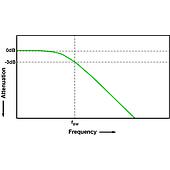
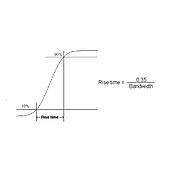
Bandwidth refers to the frequency range of the signal being measured. A suitable bandwidth should match the measurement task. The article gives car repair as an example and notes that a 100M oscilloscope is enough for that use case.
Sample rate
A higher sample rate can display a waveform in greater detail. The source states that, in general, the sampling rate is five times higher than the bandwidth. This helps users see a more complete waveform representation.
Number of channels
The number of channels depends on how many signals need to be measured at the same time. The article notes that two channels are enough for some tasks, while measuring three-phase electricity requires four channels.
What is the purpose of a Bluetooth multimeter?
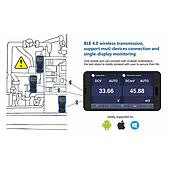
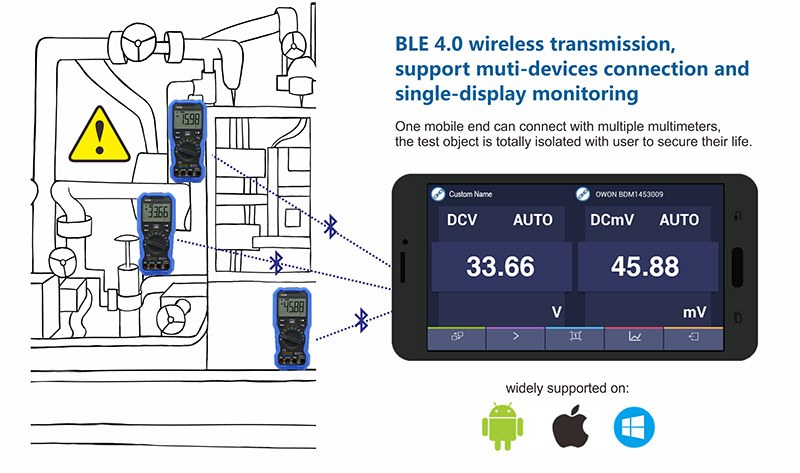
A Bluetooth multimeter can support wireless remote testing. The source explains that this is especially useful for tasks carried out in dangerous or difficult environments, because engineers can connect and control the device remotely without needing to be near the test point.
It is also useful in situations where walking near the test setup may interfere with sensitive results. Another example mentioned in the article is testing on moving objects, such as moving vehicles.
What is the difference between OW18B and B35T+ multimeters?
Both OW18B and B35T+ are 3 5/6 digit multimeters. The source says that B35T+ is better suited for industrial use. It can be used with industrial fixtures, consumes less power, and can record for longer at the same time.
The article does not provide further technical comparison details, so it is best to treat this as a simple overview rather than a full specification comparison.
Why these basics matter in electronics manufacturing
In electronics manufacturing and test environments, choosing the right measurement tool affects both accuracy and workflow. An oscilloscope helps visualize signals, while a multimeter supports direct measurement and remote testing when needed.
For teams working with different test conditions, these basics can help narrow down the right device according to signal range, waveform detail, channel needs, and practical usage environment. That makes the selection process more focused and easier to align with real tasks.
Summary
OWON’s FAQ offers a concise introduction to two important tools in electronic testing. The oscilloscope is used to view waveform behavior and check electrical quantities, while the Bluetooth multimeter supports remote testing in difficult or sensitive environments. When choosing a scope, bandwidth, sample rate, and channels are the main points mentioned in the source. For multimeters, the article notes that OW18B and B35T+ are both 3 5/6 digits models, with B35T+ positioned for industrial use.
For readers in electronics manufacturing, these points provide a practical starting place for selecting measurement tools based on the task at hand.