
Level Switches
Reliable point-level detection is essential when a process needs a simple, fast signal to start, stop, alarm, or protect equipment. In storage bins, hoppers, and bulk solids handling systems, the right switch helps prevent overfill, dry running, blocked discharge, and unnecessary downtime. This is where Level Switches play a practical role in everyday industrial operation.
On this page, you can explore level switches used for monitoring the presence or absence of material at a defined point. They are commonly selected for powders and dry bulk media where continuous measurement is not always necessary, but dependable switching performance is. For broader level monitoring strategies, users often combine point detection with devices such as a level transmitter or a local level gauge depending on the application.
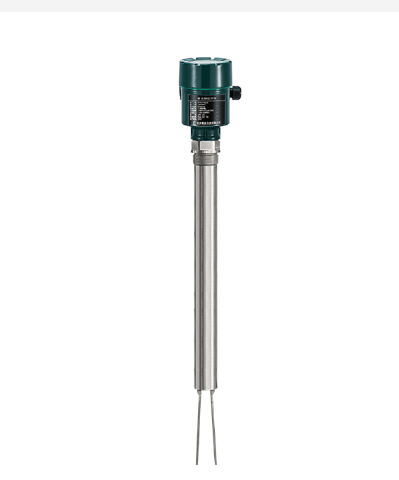
Where level switches are used
Point-level switches are widely used in silos, feeders, mixing vessels, and storage containers where operators need a clear on/off indication rather than a continuous reading. Typical duties include high-level alarm, low-level alarm, bin empty indication, and process interlock signals for conveyors or filling systems.
In bulk material handling, these devices are especially useful with media such as cement powder, flour, and other dry powders. A properly selected switch can help maintain stable production flow, reduce manual inspection, and support safer operation in environments where dust, vibration, or temperature changes are part of normal plant conditions.
Common operating principle for bulk solids applications
Many level switches for powders and granular media use a rotary paddle principle. In this design, a motor-driven paddle rotates freely when no material is present. Once bulk material reaches the paddle, the resistance on the blade changes the switch state and provides a control signal to the system.
This approach is widely used because it is straightforward and effective for point detection in bins and hoppers. It is also well suited to applications where the process only requires confirmation that material has reached or left a specific level. In systems that need switch logic or alarm handling, a matching level relay or level controller may be used as part of the wider control architecture.
What this category includes
This category focuses on level switches and related configurations used for bulk material service. Based on the products shown, the range includes compact paddle level switch models as well as versions built around a 1 RPM motor design for dependable actuation in dry solids applications. There are also associated configurations involving paddles and flange-related components within the same solution ecosystem.
Examples from Dwyer include the PLS2-E series for bulk material detection and the PLS-W-S series for 1-1/4 in NPT installations. Models such as the Dwyer PLS2-E-1-1, PLS2-E-1-2, and PLS2-E-1-3 illustrate different supply voltage options, while products such as the Dwyer PLS-W-S-1-3-0-0-0 and PLS-W-S-1-2-CSH-0-0 show how paddle and flange arrangements can vary to suit installation requirements.
Key selection factors before ordering
The first step is to match the switch to the material characteristics of the process. Bulk density, particle behavior, and whether the media is a fine powder or a heavier dry solid will influence paddle choice and overall suitability. Even when two applications both involve powders, switching performance can differ significantly depending on how the material compacts or flows inside the vessel.
Next, review the mechanical and environmental requirements. Process connection size, mounting position, enclosure protection, and allowable temperature range all matter in industrial use. In the listed products, examples include 1-1/4 in NPT process connections, side or top mounting arrangements, and enclosure ratings such as IP66 and NEMA 4 or 4X, which are relevant for dusty or washdown-prone environments.
Electrical compatibility should also be checked carefully. The available products include versions for 24 Vdc, 115 Vac, and 230 Vac supply, along with SPDT micro switch or selectable NO/NC switching arrangements depending on the model family. Choosing the correct voltage and output style helps simplify integration with existing panels, alarms, and interlock circuits.
Examples of product configurations in this range
For standard point-level duties in dry materials, the Dwyer PLS2-E series provides a compact option with support for common industrial supply voltages. These models are listed for media such as cement powder, dry powder, and flour, making them relevant for applications in material handling, processing, and storage where a simple threshold signal is needed.
For applications that require a heavier-duty assembly or a specific paddle and flange combination, the Dwyer PLS-W-S family offers additional flexibility. Products such as the PLS-W-S-1-0-0-0-0 are presented as base switch configurations, while related items like PDL-3, PDL-4, FLG-CSH, FLG-CSF, FLG-SSH, and FLG-SSF reflect how the overall installation may be tailored through paddle type or flange style. This matters when vessel entry geometry, coupling style, or media behavior calls for a more application-specific setup.
Why enclosure, materials, and approvals matter
In level detection for powders and dry bulk solids, operating conditions are often harsher than they first appear. Dust ingress, temperature exposure, and mechanical loading at the vessel wall can all affect service life and switching reliability. That is why enclosure rating and wetted material compatibility should be reviewed as part of the selection process, not as an afterthought.
The featured products in this category include examples with aluminum housings, stainless steel and carbon steel wetted materials, and enclosure ratings intended for industrial environments. Some listed models also reference CE, FM, or cUL-related compliance information. These details are useful when evaluating suitability for the plant environment, particularly where hazardous area considerations or local compliance practices influence procurement decisions.
Level switches within a broader material handling system
A level switch is often only one part of a complete solids handling strategy. In bins and hoppers where material flow can bridge or rat-hole, users may pair point-level detection with bin vibrators to improve discharge and maintain more consistent process behavior. The switch then becomes part of a wider control loop that supports both inventory awareness and flow assurance.
When the application eventually needs both point alarm and continuous indication, users frequently move toward a mixed instrumentation approach rather than replacing everything with a single device type. That makes this category relevant not only for simple standalone switching, but also for phased upgrades in bulk storage, packaging, batching, and conveying systems.
Choosing the right option for your application
If your process requires a dependable on/off level indication for dry bulk media, this category provides a focused starting point. The available range shows practical options for different supply voltages, switch constructions, and paddle or flange arrangements, especially for installations built around 1-1/4 in NPT connections and rotary paddle operation.
When comparing models, focus on the real application conditions: media type, bulk density, mounting method, process temperature, enclosure needs, and electrical interface. A well-matched level switch can provide stable point detection with minimal complexity, helping operators protect equipment and keep bulk material processes running with better control.
Get exclusive volume discounts, bulk pricing updates, and new product alerts delivered directly to your inbox.
By subscribing, you agree to our Terms of Service and Privacy Policy.
Direct access to our certified experts
