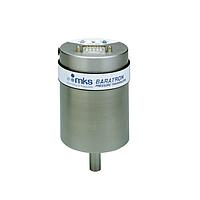
Absolute pressure sensor, transducer
When pressure measurement must reference a true vacuum rather than ambient conditions, selecting the right sensor becomes much more important. In process control, laboratory systems, vacuum equipment, and gas handling applications, absolute pressure sensor, transducer devices help maintain stable readings even when atmospheric pressure changes.
This category brings together absolute pressure sensing solutions for different operating ranges, output formats, and installation environments. You will find devices suited to compact industrial integration, vacuum monitoring, and higher-pressure process applications, with examples from MKS, AEP Transducers, Auto Instrument, and Senseca.
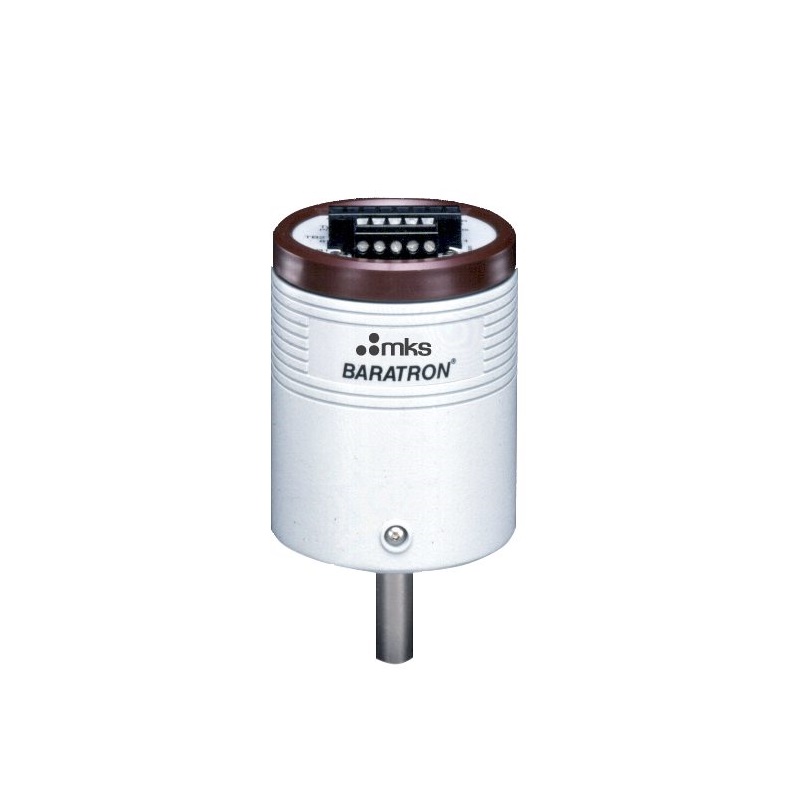
Where absolute pressure measurement is used
Absolute pressure is measured against a sealed vacuum reference, not against atmospheric pressure. That makes it useful in systems where barometric variation would otherwise distort the reading, such as vacuum chambers, leak testing setups, gas supply systems, packaging processes, environmental control, and certain hydraulic or pneumatic applications.
In practical terms, this measurement method is often preferred when you need consistent pressure values across locations, weather conditions, or changing elevations. It is also a common choice in vacuum-related processes, where the reference to absolute zero is essential for control logic and repeatable monitoring.
Typical device types in this category
This category includes several product styles under the same measurement principle. Some models are designed as compact industrial transducers for machine builders and OEM integration, while others are intended for vacuum systems, laboratory instruments, or process transmitters with more specialized communication and mounting requirements.
For example, AEP Transducers TP14, TP12, TP2, and LabTP14 models illustrate compact pressure transducers with current or voltage outputs for industrial control. On the vacuum side, MKS offers instruments such as the 902B, 910, AA06A Baratron®, 220DA Heated Baratron®, and 430E Baratron® for applications that demand absolute pressure measurement across low-pressure and vacuum ranges. Senseca GMUD MP-S-MA0 and MP-S-MA1 units represent another useful format for low-range absolute measurement with local display and configurable output.
How to choose the right absolute pressure sensor or transducer
The first selection point is the measuring range. Low-range applications in mbar or Torr often appear in HVAC, gas analysis, and vacuum systems, while bar- or MPa-level devices are more relevant for industrial process lines, pressure vessels, and higher-pressure control loops. Choosing too wide a range may reduce useful resolution, while too narrow a range can increase overload risk.
The second point is output and system compatibility. Many models in this category provide familiar analog signals such as 4-20 mA or 0-10 V, while some vacuum-focused instruments add digital interfaces such as EtherCAT or RS232. If your installation is part of a PLC, DCS, or data acquisition environment, signal type, supply voltage, and connector style should be checked early in the selection process.
It is also important to review environmental and mechanical details, including process connection, housing protection, operating temperature, and wetted materials. If your project requires comparison with rugged machine-mounted solutions, you may also want to explore industrial pressure sensors for broader installation options.
Examples for vacuum and low-pressure applications
Vacuum and low absolute pressure measurement often require a different approach from standard factory automation sensing. In these cases, factors such as gas behavior, low-pressure stability, thermal effects, and mounting connection standards become especially relevant.
MKS is strongly associated with this space through products such as the 902B absolute piezo vacuum pressure transducer and the 910 absolute piezo vacuum pressure transducer. For highly precise vacuum-related measurement, Baratron® devices like the AA06A and the 220DA are notable examples within this category, while the 430E extends the concept into transmitter-style integration. If your application is specifically focused on vacuum processes, a dedicated view of vacuum pressure sensors and transducers may help narrow the shortlist.
For lower pressure ranges outside deep vacuum, Senseca GMUD MP-S-MA0 and MP-S-MA1 units provide another practical path. These models combine absolute pressure measurement with a display and selectable analog output, making them useful where on-site reading and simple control integration are both needed.
Examples for industrial and process integration
Not every absolute pressure application is vacuum-related. Many industrial systems need stable reference-based pressure measurement for gases or liquids, especially when atmospheric compensation is not desired. In these environments, a compact transducer with standard analog output and durable housing is often the preferred solution.
AEP Transducers offers several relevant options in this area. The TP14 and TP12 cover lower pressure ranges from mbar up to bar-level measurement, while the TP2 addresses higher absolute pressure ranges in a more compact transducer format. The LabTP14 is another example for users looking for a pressure transducer with strong linearity characteristics and common control outputs. For broader process applications up to 0-100 MPa, the Auto Instrument AT3051TG(TA) absolute pressure transmitter shows the transmitter-style end of the category, including process-oriented connection choices and 4-20 mA communication.
If your project is comparing atmospheric reference measurement against vacuum reference measurement, it can also be helpful to review barometer pressure sensors and transducers in parallel.
Key specifications that matter in real projects
Datasheets can be long, but a few criteria usually drive the decision. These include pressure range, accuracy or linearity, allowable overload, output signal, supply requirements, ingress protection, and process connection. In many B2B purchasing workflows, these parameters are the fastest way to eliminate unsuitable options before comparing finer details.
- Pressure range: match normal operating pressure and possible peak conditions.
- Signal output: confirm whether the control system expects 4-20 mA, 0-10 V, or digital communication.
- Mechanical interface: check thread, flange, tube fitting, or vacuum flange compatibility.
- Environmental fit: consider temperature range, IP rating, and exposed materials.
- Application context: identify whether the device is intended for general industry, laboratory use, or vacuum service.
In high-mix engineering environments, these details often matter more than brand familiarity alone. A well-matched sensor will be easier to install, commission, and maintain over the long term.
Working with different manufacturers in this category
Different manufacturers tend to be stronger in different use cases. AEP Transducers is well suited to compact industrial pressure transducers across a range of outputs and pressure levels. MKS is especially relevant where vacuum instrumentation, Baratron® technology, and low-pressure process control are central requirements.
Senseca provides practical low-range measuring transducers with display-oriented operation, while Auto Instrument covers process transmitter applications where heavier industrial integration may be needed. The best choice depends less on brand preference and more on range, process connection, signal interface, and the actual physics of the application.
Final selection guidance
An absolute pressure device should be chosen based on the reference type your process truly needs, then narrowed by pressure range, output, connection standard, and operating environment. Whether you are building a vacuum system, specifying a process transmitter, or replacing an installed transducer, the right product is usually the one that fits the full measurement chain rather than the one with the broadest specification sheet.
This category is intended to support that comparison process with options spanning compact transducers, display-equipped measuring devices, and vacuum-oriented instruments. Reviewing the application conditions first will make it much easier to identify the most suitable absolute pressure sensor or transducer for your system.
Get exclusive volume discounts, bulk pricing updates, and new product alerts delivered directly to your inbox.
By subscribing, you agree to our Terms of Service and Privacy Policy.
Direct access to our certified experts