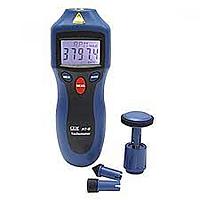
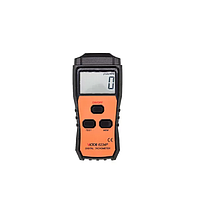
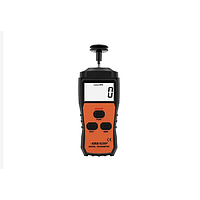
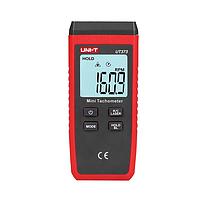
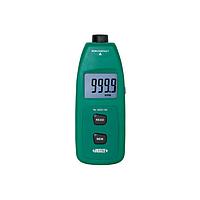
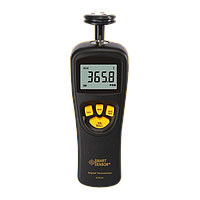
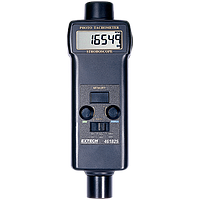
Counters & Tachometers
Reliable speed and count feedback is essential in packaging lines, conveyors, machine tools, test benches, and many other automated systems. When a process depends on tracking rotation, stroke count, cycle quantity, or line speed, choosing the right Counters & Tachometers helps operators monitor performance, support maintenance, and improve control accuracy.
This category brings together instruments used to measure motion-related values in industrial environments, from simple totalizing tasks to real-time rotational speed indication. Whether the requirement is local display, pulse-based monitoring, or integration with a broader control panel, these devices play a practical role in day-to-day machine operation.
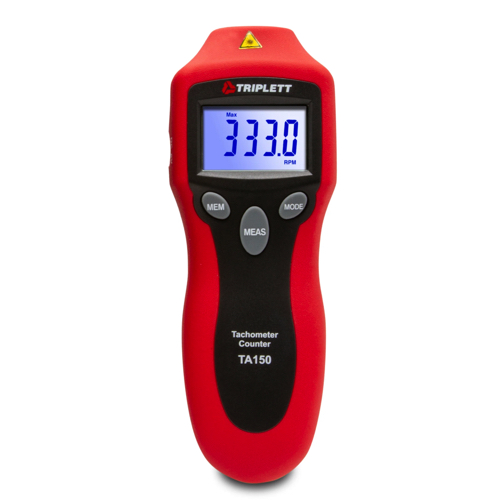
Where counters and tachometers are used
In industrial automation, these instruments are commonly installed wherever movement needs to be measured and verified. Typical examples include counting parts on a production line, monitoring shaft rotation, checking motor or roller speed, or recording the number of machine cycles completed over time.
They are especially useful in systems where sensor outputs generate pulses. A counter can total those pulses to represent quantity or events, while a tachometer interprets pulse frequency or rotational input to show speed. In many applications, that data is also paired with industrial controllers for logic processing, alarms, or automated response.
Understanding the difference between counters and tachometers
A counter is generally used to accumulate events. It may track the number of products passing a sensor, the number of revolutions of a shaft, or the number of completed machine cycles. This makes counters suitable for production monitoring, batching, preventive maintenance, and totalization tasks.
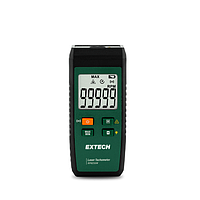
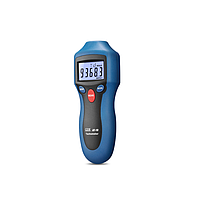
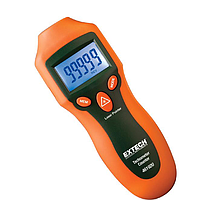
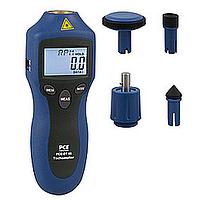
A tachometer, by contrast, focuses on speed measurement. It is used to monitor RPM or surface speed in rotating equipment such as motors, fans, rollers, pumps, and spindles. For systems that require both quantity tracking and motion verification, it is common to combine these functions with related devices such as counting and speed monitoring instruments selected to match the machine signal type and display needs.
Signal sources and system integration considerations
Most counters and tachometers operate from pulse inputs generated by encoders, proximity sensors, photoelectric sensors, limit switches, or magnetic pickups. The quality of measurement depends not only on the instrument itself, but also on how cleanly the input signal is generated and how well the device is matched to the application’s speed range and counting logic.
When planning panel integration, buyers typically review input compatibility, display readability, reset or preset functions, mounting format, and environmental conditions. In installations where the measured signal may also feed protection or power-related circuits, coordination with panel components such as circuit protection devices can also be important for long-term reliability.
Typical selection criteria for B2B applications
For OEMs, maintenance teams, and system integrators, product selection usually starts with the process variable that matters most: total count, RPM, line speed, elapsed cycles, or a combination of these values. After that, the next step is to confirm the expected input source, response speed, mounting constraints, and whether the device needs local indication only or should interact with other control hardware.
It is also helpful to think in terms of operating context. A compact panel counter may suit repetitive machine-cycle monitoring, while a tachometer is more relevant when validating spindle speed, fan performance, or conveyor roller motion. If the goal is logging pulse-based activity over time, some users also compare options alongside counters and tachometers for automation panels that support easier visibility and maintenance access.
Representative brands in this category
This category may include products from recognized industrial brands such as Autonics, Dwyer, OMRON, Honeywell, Delta Electronics, Inc., FLUKE, HIOKI, OMEGA, Chauvin Arnoux, and Littelfuse. Each brand is typically associated with different strengths across industrial instrumentation, panel devices, electrical measurement, and automation support components.
For users building or maintaining machine panels, brand preference often depends on application familiarity, required feature set, and consistency with existing plant standards. In practice, the right choice is less about brand repetition and more about input type, operating range, visibility, panel fit, and integration with the surrounding system.
How related measurement devices fit into the wider automation ecosystem
Although this category focuses on count and speed monitoring, many industrial projects involve adjacent instrumentation as well. For example, Dwyer products listed across the site include water metering solutions such as the WVT-A-01-1 and WVT-A-02 vertical rotary piston water meters, as well as WMH series high-temperature multi-jet water meters for HVAC and hot water applications. These are different from counters and tachometers in purpose, but they illustrate how pulse-based measurement is used across industrial systems.
In flow applications, pulse output can be sent to a totalizer or control device to represent volume over time. That broader measurement logic is useful context for buyers comparing process instrumentation, machine monitoring, and panel-based display requirements. The same practical thinking applies when selecting devices for count or speed feedback: understand the signal source, the operating environment, and how the data will be used.
Choosing for maintenance, retrofit, or new machine builds
For retrofit work, replacement is usually driven by existing panel cutout, power supply, signal type, and readability requirements. Matching the installed sensor technology is often the fastest way to reduce commissioning risk. In new machine builds, there is more freedom to optimize around operator interface, reset logic, and communication with control hardware.
Maintenance teams may prioritize straightforward operation and dependable display performance, while design engineers may focus more on scalability and integration. In either case, a well-chosen instrument helps reduce troubleshooting time and gives operators clearer insight into what the machine is actually doing.
Final considerations
When speed, cycle count, or totalized motion data matters, selecting the right counter or tachometer is a small decision that can have a noticeable impact on machine visibility and process consistency. The best fit usually comes from balancing measurement purpose, signal compatibility, installation constraints, and the broader automation architecture.
Explore the available range in this category to compare devices for monitoring rotation, pulses, and production activity more effectively. A clear understanding of the application will make it much easier to choose an instrument that supports stable operation today and simpler maintenance later on.
Get exclusive volume discounts, bulk pricing updates, and new product alerts delivered directly to your inbox.
By subscribing, you agree to our Terms of Service and Privacy Policy.
Direct access to our certified experts