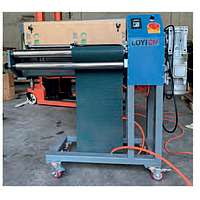
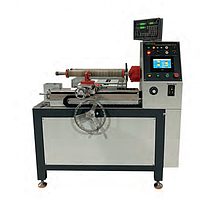
Belt splitting machines
In belt fabrication and maintenance, consistent cutting quality has a direct impact on tracking, joining accuracy, and overall production efficiency. When a process involves timing belts, PVC/PU conveyor belts, rubber belts, or narrower belt formats, using dedicated belt splitting machines helps achieve cleaner edges, better dimensional control, and more repeatable results than manual methods.
This category brings together equipment designed for belt slitting and ply splitting across different belt materials and widths. It is particularly relevant for workshops, conveyor belt processors, OEMs, and industrial users who need reliable preparation steps before installation, splicing, or downstream converting.
What belt splitting machines are used for
These machines are typically selected when a belt needs to be converted from a wider roll or sleeve into narrower strips, or when layers of a belt need to be separated with controlled depth. In practical terms, that can mean preparing timing belts to a specific width, processing PVC/PU conveyor belts, or splitting plies for repair and fabrication work.
The main goal is repeatable belt processing. Instead of relying on hand tools, operators can work with controlled feed, stable cutting geometry, and machine-based alignment. This helps reduce waste, improve fit in the final application, and support more consistent output across production batches.
Typical machine types in this category
The range shown here covers several different processing tasks. Timing belt slitters are intended for width conversion of timing belts, while dedicated small-belt slitters are suited to narrower belt formats. For wider conveyor and process belts, PVC/PU rubber belt slitters support larger working widths and are better suited to broader sheet or belt material.
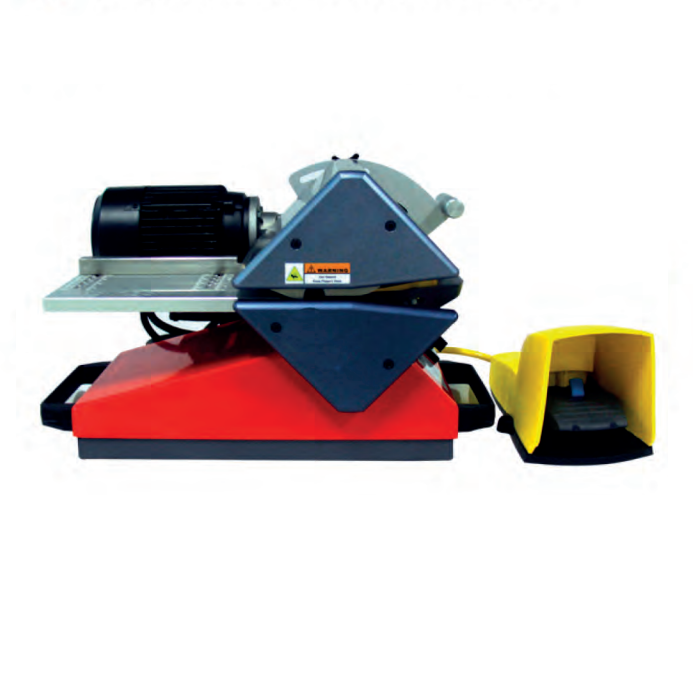
There are also ply splitter machines for jobs where the requirement is not only cutting to width, but separating layers at a controlled depth. This is especially useful in belt preparation and repair workflows where upper and lower layers must be handled accurately before further processing.
Examples from the current product range
For timing belt work, models such as the Loyicn SFTB500, Loyicn SFTB600, and Loyicn SFTB700 illustrate a range built around different maximum belt widths. Based on the available data, these machines support narrow finished widths from 3 mm and are intended for applications where dimensional accuracy is important during belt conversion.
For wider PVC/PU and rubber belt processing, the Loyicn LYCM1300, LYCM2000, LYCM3000, and LYCM3500 show how the category expands toward larger belt widths. If the job involves separating layers rather than only cutting strips, the Loyicn SM750 and Loyicn New Euro 130 represent dedicated solutions for ply splitting tasks on PVC/PU belts.
Users looking to explore the broader product ecosystem from the same manufacturer can also view the Loyicn brand page for related industrial equipment.
How to choose the right machine
A good starting point is the belt material and structure. Timing belts, PVC/PU conveyor belts, and rubber belts do not behave the same way during cutting or splitting. Material hardness, thickness, reinforcement, and layer construction all influence which machine type is appropriate.
The second key factor is working width. Some machines in this category are intended for compact belt sizes, while others are designed for large-width processing. If your operation handles multiple belt dimensions, it is important to compare the maximum supported width, minimum achievable cut width where available, and whether custom dimensions are part of the workflow.
Power supply and workshop layout also matter. The listed machines include different electrical options such as 220V single phase and 380V three phase, depending on model. For industrial users, this can affect installation planning, machine placement, and compatibility with the existing production environment.
Points to review before ordering
When comparing models, look beyond headline width capacity. Cutting accuracy, shaft configuration, feed speed, supported thickness, and machine footprint all affect day-to-day usability. A machine that matches the belt size but does not fit the required processing depth or plant setup may create unnecessary bottlenecks.
It is also worth considering how the machine fits into the larger converting or packing workflow. In some facilities, belt preparation is one step in a broader line that may also include product handling, marking, or packaging equipment such as a labeling machine or a carton sealer. Reviewing the full process can help prevent mismatches between upstream fabrication and downstream packing operations.
Where these machines fit in industrial operations
Belt splitting and slitting equipment is relevant across several industrial scenarios: conveyor belt fabrication, replacement belt preparation, workshop servicing, and custom belt conversion for machinery builders. In these environments, the machine is less of a standalone purchase and more of a supporting tool within a production or maintenance system.
That is why selection often depends on throughput expectations, operator skill level, and the variety of belt formats being processed. A compact ply splitter may be suitable for specialized preparation work, while a wider slitter is more appropriate when handling broad PVC/PU materials at higher volume.
Why machine-based belt processing improves consistency
In technical B2B applications, consistency is usually more important than simply making a cut. A properly selected machine can help maintain straighter cut lines, more stable width results, and cleaner layer separation. This supports downstream steps such as joining, fitting, installation, and quality control.
It can also help reduce material loss, especially when processing valuable or custom belt stock. For operations that repeat similar belt dimensions over time, machine-assisted processing becomes an efficient way to standardize output and reduce dependence on manual finishing.
Final considerations
If you are comparing options in this category, focus first on the actual belt type, required working width, splitting depth, and available electrical supply. From there, it becomes easier to narrow the choice between timing belt slitters, small-belt slitters, wide PVC/PU belt slitters, and dedicated ply splitter machines.
This category is intended to support buyers who need practical, production-oriented solutions for belt conversion and preparation. A machine that aligns with your belt material, dimensions, and workflow will usually deliver better long-term value than choosing only by size or basic power rating.
Get exclusive volume discounts, bulk pricing updates, and new product alerts delivered directly to your inbox.
By subscribing, you agree to our Terms of Service and Privacy Policy.
Direct access to our certified experts