
Selective Conformal Coating Nozzles
When coating needs to be applied only where it matters, nozzle selection becomes one of the most important factors in process stability and board protection. In automated electronics manufacturing, the right spray pattern helps reduce overspray, improve edge definition, and support repeatable coating thickness across changing PCB layouts.
Selective Conformal Coating Nozzles are used in dispensing and coating systems that apply protective material to targeted areas of a circuit board rather than flooding the entire surface. This category is relevant for manufacturers looking to improve coating precision, manage material usage more effectively, and maintain a cleaner, more controllable process in selective coating applications.
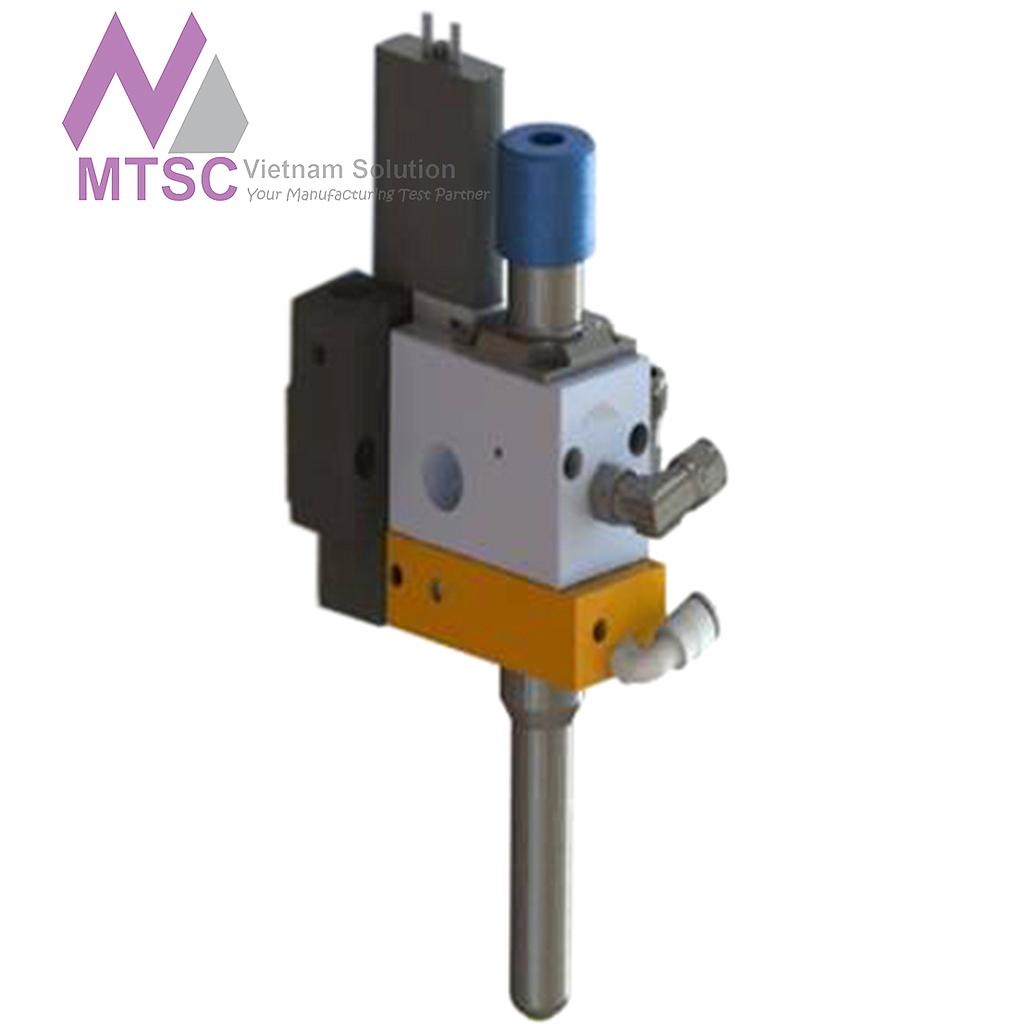
Why nozzle choice matters in selective coating
In conformal coating processes, the nozzle is not just an accessory. It directly influences spray shape, coating coverage, transfer efficiency, and the ability to reach narrow or complex board areas without affecting surrounding components. A poor match between nozzle design and coating material can lead to uneven films, rework, or unnecessary masking.
For production environments that rely on repeatability, a well-selected nozzle supports more consistent line performance. It also helps operators balance coating quality with takt time, especially when the process must handle different board geometries or material viscosities.
Typical roles of selective conformal coating nozzles
These nozzles are commonly used in applications where a controlled spray pattern is required for localized coating. Instead of treating the whole PCB uniformly, the system can focus on specific zones such as high-voltage sections, sensitive traces, or areas exposed to humidity, dust, or chemical contaminants.
Depending on the coating strategy, the nozzle may be chosen for narrow spray width, concentrated cone shape, or stable atomization behavior. This makes the category especially relevant for manufacturers that need precise deposition while still maintaining throughput in an automated line.
Representative nozzle options from Anda
Within this category, Anda is a key manufacturer for selective conformal coating components. Its nozzle and spray valve solutions are commonly associated with controlled coating patterns used in electronics production, where repeatability and process tuning are essential.
For example, the Anda SA-W5 Cone Spray is designed around a fine circular spray pattern with a coating width suited to focused application areas. It is useful when the process calls for concentrated coverage and a repeatable coating film across PCB surfaces of varying complexity.
Another example is the Anda SA-W6L Atomized Conical Spray Valve, which combines an atomized conical pattern with operating conditions suitable for controlled fluid delivery. In practice, this kind of solution may be considered when coating materials and process settings require a stable spray profile and higher operating frequency for automated production.
How to choose the right nozzle for your process
Selection should start with the coating material itself. Viscosity range, atomization behavior, and fluid pressure all affect whether a nozzle can produce the desired pattern without clogging, splashing, or excessive misting. If the material is harder to atomize, the process may require a nozzle and valve combination that can maintain spray consistency under controlled air and fluid pressure.
Board design is another practical consideration. Narrow component spacing, keep-out areas, and mixed-height assemblies often demand tighter spray control. In these cases, engineers usually look at spray width, cone stability, and the ability to maintain coating accuracy across edges and corners.
Production targets also matter. If the line is running at higher speed, nozzle behavior under frequent cycling becomes important. A nozzle that performs well in lab conditions may not always deliver the same result in continuous manufacturing, so repeatability under real operating rhythm should be part of the evaluation.
Key process considerations in automated coating lines
Selective coating nozzles operate as part of a broader dispensing ecosystem that includes fluid supply, air preparation, motion control, and process programming. Clean, dry compressed air or nitrogen, stable pressure regulation, and proper maintenance all contribute to predictable spray quality and reduced contamination risk.
It is also important to consider how the coating stage fits into the wider production flow. In some facilities, the coating process sits alongside other automated packaging or handling systems such as a labeling machine or downstream end-of-line equipment. While these systems serve different functions, the same principles of repeatability, uptime, and integration apply across the line.
What to look for when comparing nozzle options
A useful comparison should go beyond model names and focus on how each option supports the intended application. Areas worth reviewing include spray geometry, supported fluid characteristics, pressure requirements, and compatibility with the coating process you are running. For many buyers, the practical question is not simply which nozzle is available, but which one fits the coating material, the PCB design, and the required production pace.
It is also helpful to assess the nozzle as part of the full machine setup rather than as an isolated component. Spray width, atomization method, and control response all influence final coating quality. This is especially true when selective coating must be scaled from pilot production to a more stable and repeatable manufacturing routine.
Supporting a cleaner and more efficient coating result
Well-matched nozzles can help reduce coating waste, limit overspray, and improve process control without relying on excessive manual correction. That matters not only for material efficiency, but also for inspection and downstream quality assurance. A more controlled application pattern can make it easier to verify coverage and reduce variability between boards.
In broader automated environments, manufacturers often evaluate each station with the same mindset used for systems such as a carton sealer or case packer: repeatable output, process reliability, and fit with line requirements. For conformal coating, the nozzle is one of the small but critical components that strongly affects those outcomes.
Finding the right fit for selective coating applications
This category is intended for buyers and engineers who need better control over localized conformal coating performance. Whether the priority is a fine cone pattern, compatibility with a specific viscosity range, or dependable operation in automated production, the nozzle should be chosen based on actual process conditions rather than generic assumptions.
Reviewing suitable options from this category can help narrow the selection to nozzle types that support cleaner deposition, more accurate coverage, and smoother integration into your coating workflow. For PCB protection processes where precision matters, that makes nozzle choice a practical decision with a direct impact on quality and efficiency.
Get exclusive volume discounts, bulk pricing updates, and new product alerts delivered directly to your inbox.
By subscribing, you agree to our Terms of Service and Privacy Policy.
Direct access to our certified experts

