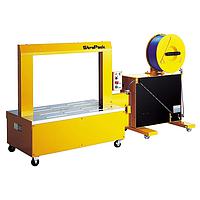
Strapping machine
Secure load unitization is a basic requirement in modern packing operations, especially when cartons, bundles, or palletized goods need to move safely through storage and transport. A strapping machine helps create consistent strap tension and sealing quality, reducing the variability and labor intensity of manual packing while improving throughput in production and logistics environments.
In practical use, this equipment is applied across warehouses, manufacturing lines, export packing areas, and distribution centers. Depending on the product shape, packaging speed, and strap material, businesses may choose handheld tools, semi-automatic systems, or fully automatic machines that integrate into a wider packing workflow.
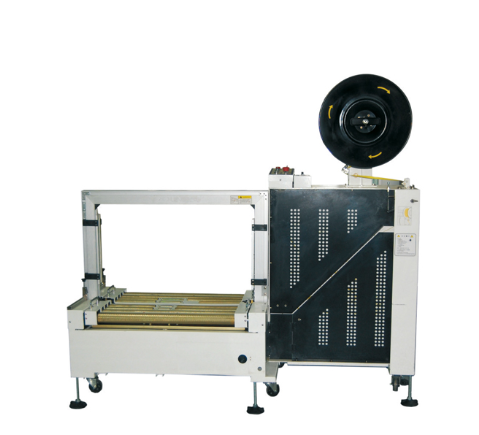
Why strapping equipment matters in packing operations
The purpose of strapping is straightforward: hold products together, stabilize cartons, and improve load security during handling and shipment. In long-distance transport or repeated warehouse movement, properly applied straps help reduce shifting, compression damage, and package opening.
Compared with manual methods, a machine-based process offers more repeatable results in tensioning, sealing, and cutting. This is especially important for businesses that handle medium to high packing volumes, heavy packages, or products that need a neater and more controlled finishing step before dispatch.
Common machine types and where they fit
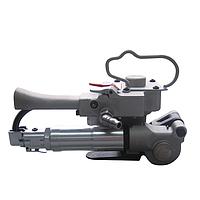
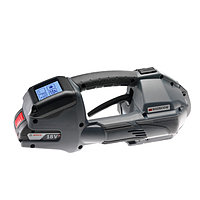
Not every packaging line needs the same type of strapping solution. Handheld battery or pneumatic tools are typically chosen for pallet loads, large cartons, and applications where mobility is important. These tools are useful when operators need to move around oversized goods rather than bring products to a fixed machine.
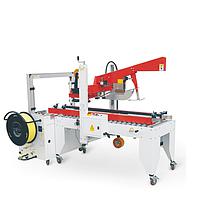
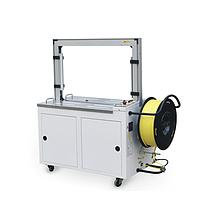
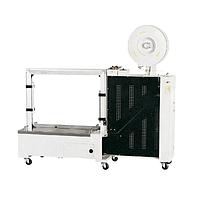
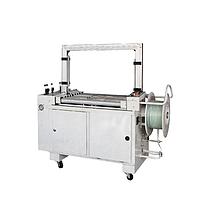
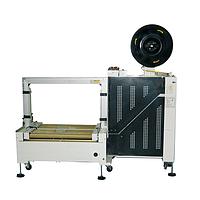
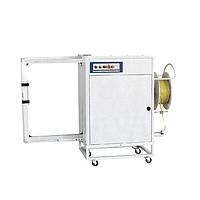
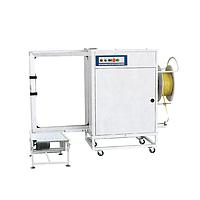
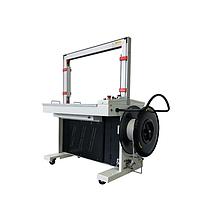
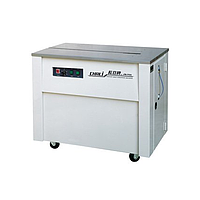
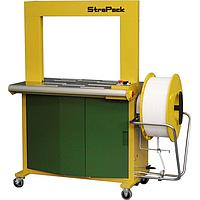
Tabletop or arch-style systems are more suitable when cartons pass through a defined packing station. In higher-volume lines, automatic equipment can be connected with conveyors and coordinated with upstream or downstream packaging systems such as a carton sealing process or a labeling machine to support smoother end-of-line automation.
Typical operating principle
Although designs vary, most strapping machines follow three essential actions: the strap is tensioned around the package, the joint is sealed, and the excess strap is cut. The sealing method depends on the machine type and strap material. Many modern tools for plastic strapping use friction weld sealing, while some machine configurations for polypropylene may use heat sealing.
This process matters because packaging quality is not just about applying a strap; it is about applying the right strap force without damaging the product. For fragile cartons, too much tension may deform the package. For heavier loads, insufficient tension can reduce load stability during transport.
Examples from this category
Several products in this category show the range of available solutions. The Strapex STB 83 plastic strapping tool is a portable option for PET and PP strapping, designed for variable tension control and battery-powered operation. This type of tool is often considered when users need flexibility on the shop floor or in warehouse dispatch areas.
For users looking at another portable poly strapping format, the Orgapack OR-T450 is also relevant in mobile packaging applications. In more fixed or line-based environments, models such as the Strapack STB73 and SIGNODE HBX-4300 represent automatic or high-throughput approaches, while the SIGNODE SBM 4400 fits arch-type strapping scenarios for cartons and similar packages.
The category also includes supporting parts such as Strapack cutter components. These items are important in maintenance planning because reliable machine performance depends not only on the main equipment, but also on the availability of wear parts and service components over time.
How to choose the right strapping machine
The first selection factor is the package itself: carton, bundle, pallet, or irregular load. Package size, weight, and surface condition influence whether a handheld tool or a fixed machine is more suitable. The second factor is strap type. Some applications use PP for lighter cartons, while PET or steel is more appropriate for heavier or more demanding loads.
Production volume is equally important. If strapping is occasional, a portable solution may be enough. If the line runs continuously, a semi-automatic or automatic system usually offers better consistency and lower labor input per package. Businesses planning broader automation may also evaluate how strapping works alongside an auto case erector or a case packing setup.
Other practical points include power source, charging time for battery tools, required strap width and thickness, maintenance access, and operator ergonomics. For industrial buyers, the best fit is usually the model that matches actual packaging conditions rather than the most complex machine on paper.
Brand landscape and solution coverage
This category includes established names commonly considered in industrial packing environments, such as SIGNODE, Orgapack, Strapack, and Strapex. Each brand is associated with different solution styles, from portable tools for plastic or steel strapping to equipment intended for faster repetitive carton strapping tasks.
For example, SIGNODE appears in both automatic machine and friction-weld tool applications, covering a broad packaging range from carton strapping to heavier-duty use cases. Strapack and Strapex are often relevant when users compare portable and automatic options for PP or PET strapping, while Orgapack is a familiar reference point for battery-operated poly strapping tools.
Where strapping machines are commonly used
Strapping equipment is widely used in export packing, paper and printing, food and beverage secondary packaging, building materials, logistics, and general manufacturing. The common requirement across these sectors is the need to hold products securely through movement, storage, and shipment.
In some operations, strapping is a standalone station. In others, it is one step in a broader packing line that may also include carton forming, case packing, sealing, and product identification. That is why buyers often assess strapping machines not only by tool specifications, but also by how well they fit into the wider packaging process.
Maintenance and long-term usability
Reliable operation depends on regular inspection of cutters, sealing components, batteries, and moving parts. Wear items can directly affect joint quality and tension consistency, so maintenance should be treated as part of normal production planning rather than an afterthought.
When evaluating a machine, it is worth considering spare part availability and serviceability alongside core performance. A tool or machine that is easy to maintain can reduce downtime and help preserve stable packaging quality over the long run.
Conclusion
Choosing the right strapping solution starts with understanding the load, the strap material, and the level of automation your packing process actually requires. From mobile battery-operated tools to automatic carton strapping systems, this category supports a wide range of industrial packaging needs.
If you are comparing options for cartons, pallets, or integrated end-of-line packing, reviewing machine type, sealing method, maintenance requirements, and workflow compatibility will make selection more practical and cost-effective. A well-matched strapping machine can improve package security, support productivity, and help create a more consistent packing operation overall.
Get exclusive volume discounts, bulk pricing updates, and new product alerts delivered directly to your inbox.
By subscribing, you agree to our Terms of Service and Privacy Policy.
Direct access to our certified experts