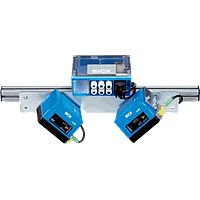
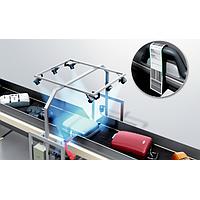
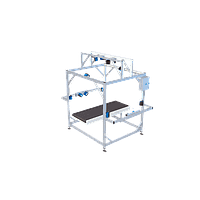
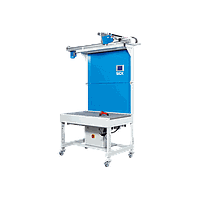
Product Barcodes Reader
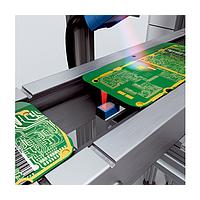
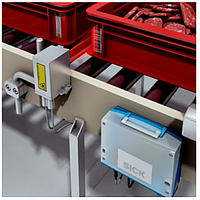
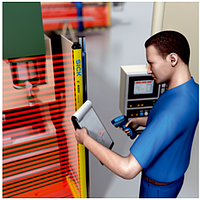
Fast and reliable identification is a basic requirement in modern packing lines. When products need to be tracked, sorted, verified, or linked to downstream systems, a Product Barcodes Reader becomes an important part of the automation workflow rather than a simple add-on device.
In industrial environments, barcode reading supports consistent product handling across packaging, inspection, and logistics stages. Whether the goal is confirming the right item at the right station, reducing manual checking, or improving traceability, this category helps buyers evaluate equipment used for reading product codes within a broader sorting and packing line.
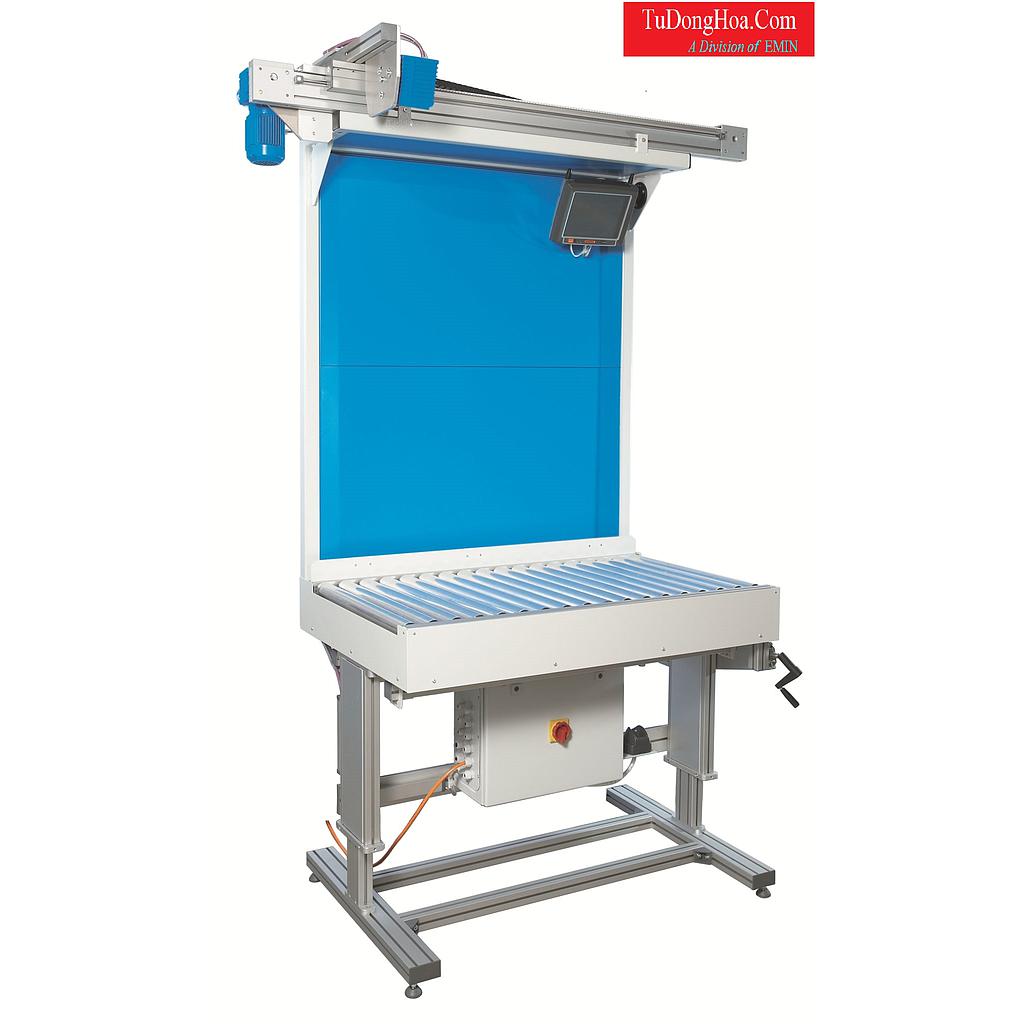
Why barcode reading matters in packing and sorting operations
Barcode data is often the link between the physical product and the digital process behind it. A reader can capture code information from cartons, labels, pouches, trays, or individual packaged items, allowing the system to verify identity, trigger process steps, and record movement through the line.
In practical terms, this supports traceability, reduces manual data entry, and helps prevent common packaging errors such as wrong product assignment, label mismatch, or missed routing logic. For operations handling multiple SKUs, batch changes, or variable packaging formats, barcode reading is especially useful for maintaining process accuracy at production speed.
Typical roles of a Product Barcodes Reader on the line
The exact role of a barcode reader depends on where it is installed. At an infeed or verification point, it may confirm that the incoming product matches the active production recipe. Near the end of the line, it can support code validation before sealing, grouping, or shipment preparation.
Barcode reading is also commonly used to coordinate with adjacent packaging equipment. For example, code verification may be part of a workflow that includes a labeling machine, where printed labels need to be checked before products move forward. In other layouts, scanned data may be used before transfer into a case packer to ensure the correct items are collated for secondary packaging.
Common applications across different product flows
This category is relevant in a wide range of packaging environments, from consumer goods and food packaging to pharmaceuticals, personal care products, and general industrial items. Whenever products carry readable codes for identification, inventory handling, or compliance-related tracking, barcode readers can be integrated into the process.
In some lines, the reader is used for simple pass/fail verification. In more connected systems, scanned information becomes part of a broader control strategy involving sorting decisions, reject mechanisms, data logging, or communication with PLC and MES layers. The value of the device is not only in reading the symbol itself, but in supporting a more data-driven packaging process.
What to consider when selecting a barcode reader
Choosing the right solution starts with the product and code characteristics. Buyers typically need to consider the barcode type, code size, print quality, product surface, distance to the reading point, and line speed. Orientation also matters, especially where products may arrive in different positions or where labels are applied with natural variation.
Environmental conditions are equally important. Dust, glare, vibration, reflective packaging films, or limited installation space can all influence reading performance. In addition, integration requirements should be reviewed early, including signal exchange with line controllers, mounting constraints, and how scan results will be used by upstream or downstream equipment.
Integration within the wider packaging system
A Product Barcodes Reader usually performs best when it is treated as part of the whole machine sequence. Good integration includes proper product presentation, stable transport, suitable lighting conditions where needed, and clear logic for handling unreadable or incorrect codes.
On many lines, barcode reading works together with machines that form, seal, or route packages. A product may be scanned before entering an auto case erector workflow, or the code may be checked again before final closure using a carton sealer. These connections help create a more controlled process from product identification through final pack handling.
Benefits for quality control and operational efficiency
When barcode reading is implemented correctly, it helps improve both quality assurance and throughput visibility. Operators gain a clearer method for verifying product flow, while production teams can reduce rework associated with incorrect labeling, wrong product grouping, or missing identification data.
Another advantage is better exception handling. Instead of relying on manual inspection alone, the line can flag unreadable codes, trigger rejection, or stop the process when verification rules are not met. This supports process consistency and can be particularly valuable in operations where packaging accuracy directly affects downstream shipping, warehouse handling, or customer requirements.
How this category supports industrial buyers
For B2B users, selecting from this category is less about a generic scanning function and more about fit within a real production environment. The right choice depends on how products move, how codes are presented, what level of verification is needed, and how the reader communicates with the rest of the line.
Teams comparing solutions should look at installation context, expected reading reliability, maintenance accessibility, and compatibility with broader automation goals. In a sorting and packing line, the barcode reader is often a small device with a large operational impact because it connects physical product flow with identification logic, tracking, and control.
Final considerations
If your packaging process depends on accurate product identification, a well-matched barcode reading solution can improve visibility and reduce avoidable handling errors. This category is intended to support applications where code reading must work reliably in real industrial conditions, not just in isolated lab settings.
By reviewing the product flow, packaging format, and integration points around the reader, buyers can choose equipment that fits the line more effectively. That approach usually leads to better verification performance, smoother automation, and a stronger foundation for traceable packaging operations.
Get exclusive volume discounts, bulk pricing updates, and new product alerts delivered directly to your inbox.
By subscribing, you agree to our Terms of Service and Privacy Policy.
Direct access to our certified experts