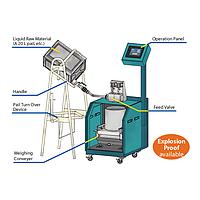
Fluid Dispensing Machines
Accurate liquid and paste handling is a key requirement in many modern packaging and assembly processes. Whether the goal is to fill, dose, apply, or meter a controlled volume, the right equipment helps improve consistency, reduce waste, and support stable production output. In industrial environments, this is where Fluid Dispensing Machines become an important part of the line.
These systems are used in operations where repeatable fluid delivery matters, from simple filling tasks to more controlled dispensing steps integrated into semi-automatic or fully automated equipment. For buyers, engineers, and production teams, selecting the right machine usually depends on the material being dispensed, the required accuracy, the production speed, and how the equipment fits into the broader packaging workflow.
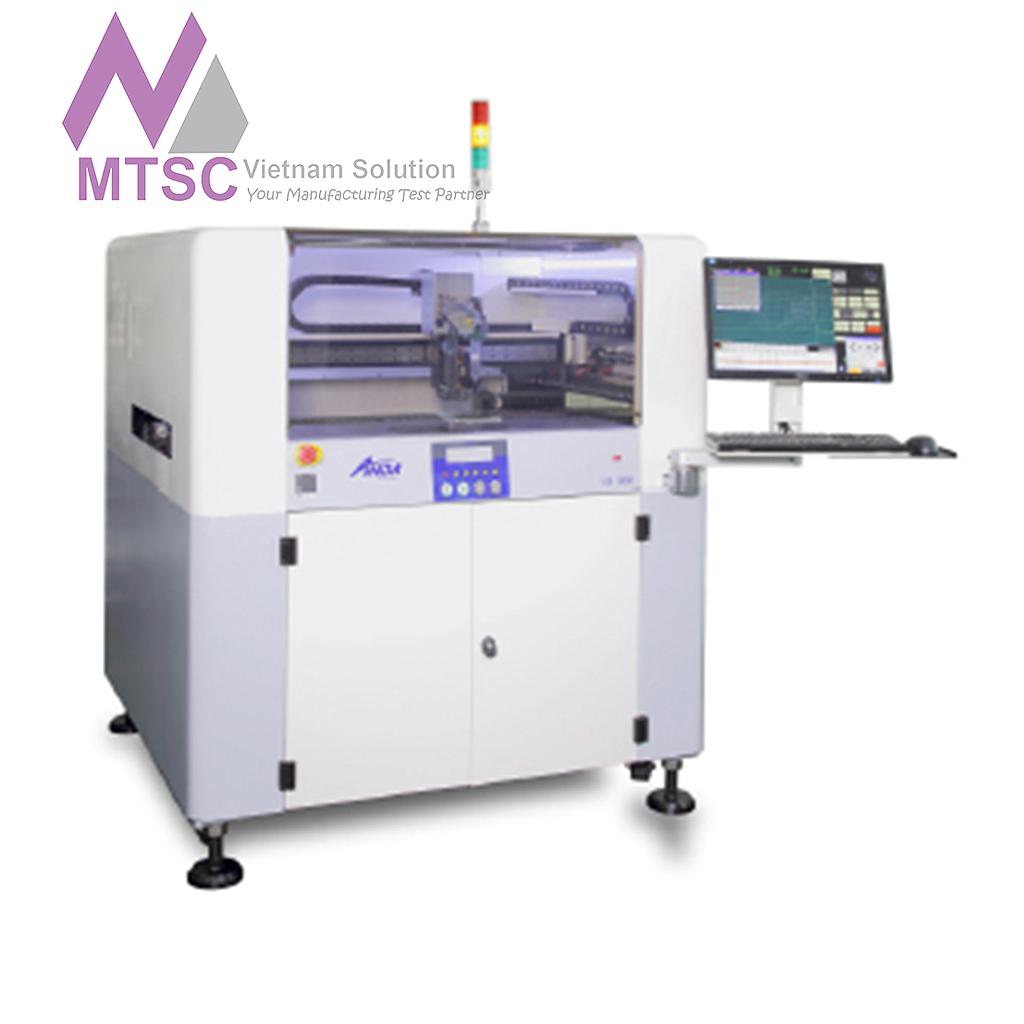
Where fluid dispensing machines fit in production
Fluid dispensing equipment is commonly used when a process requires controlled volume application of liquid, gel, adhesive, paste, or other flowable material. In packaging lines, these machines can support repetitive dosing operations that would be difficult to maintain manually at scale. The result is better repeatability, cleaner handling, and more predictable downstream performance.
In many facilities, dispensing is not an isolated step. It often works alongside other packaging and line automation equipment such as labeling systems or end-of-line machinery. Looking at the dispensing stage as part of the complete process helps ensure the machine supports both product quality and line efficiency.
Common applications and material types
The practical use of these machines depends heavily on the properties of the material being processed. Low-viscosity liquids require different control methods from thicker compounds, and some applications place more importance on speed while others focus on dosing precision. This is why machine selection should begin with the material itself, not only with the desired output rate.
Typical applications include filling containers, applying measured quantities during packaging, and dispensing functional materials in production environments. Depending on the process, operators may need to consider flow behavior, sensitivity to contamination, dripping control, and how easily the material can be cleaned from wetted parts after a production run.
Key factors when choosing a dispensing machine
A useful way to compare options is to focus on a few practical criteria. The first is the required dispensing accuracy and repeatability. The second is the throughput target, since a machine that performs well in small-batch production may not be ideal for continuous operation. The third is compatibility with the product or fluid characteristics, especially when dealing with varying viscosity or materials that need careful handling.
It is also important to review the machine from an integration perspective. Consider how it will receive products, how containers or components are positioned, and what happens after dispensing. In a broader line setup, fluid dispensing may be followed by sealing, packing, or transfer into a case packing process. Thinking through these interfaces early can reduce commissioning issues later.
- Material characteristics: viscosity, flow stability, and cleanliness requirements
- Dispensing target: volume control, repeatability, and acceptable tolerance
- Production mode: batch production, continuous operation, or line integration
- Maintenance needs: cleaning access, routine service, and operator usability
Integration with packaging and automation workflows
In many industrial settings, dispensing equipment performs best when matched to the rhythm of the full line rather than evaluated as a standalone machine. Product handling before and after the dispensing point affects overall efficiency, especially where timing, positioning, and transfer accuracy are critical. A well-integrated system can help reduce rejects, minimize rework, and improve line balance.
For example, fluid dispensing may be part of a sequence that includes carton preparation, product loading, and final closure. In these cases, upstream and downstream equipment such as an auto case erector or a carton sealer may influence layout planning, cycle timing, and floor-space requirements. Coordination across the line is often just as important as the dispensing function itself.
Operational considerations for stable performance
Once installed, day-to-day reliability depends on more than the dispensing head or pump alone. Operators and maintenance teams typically need clear access for setup, cleaning, material replenishment, and routine inspection. If the machine handles fluids that can settle, cure, or change flow behavior over time, these operational details become even more important.
Another practical point is process consistency across shifts and product batches. Stable dispensing performance usually comes from a combination of correct machine setup, suitable material handling, and disciplined operating procedures. For B2B buyers, this makes ease of use and maintainability important decision factors, not just secondary concerns.
How to evaluate category options for your application
When reviewing available equipment in this category, it helps to start with the production objective: filling, dosing, applying, or integrating a fluid process into an existing machine line. From there, narrow the selection by matching the material behavior, target output, and installation constraints. This approach is more reliable than choosing only by general machine type or line speed.
It is also worth considering future flexibility. Some production environments need a dedicated machine for one product, while others benefit more from equipment that can support multiple formats or process adjustments. A careful review of the dispensing task, the required level of automation, and the surrounding line architecture will usually lead to a better long-term fit.
Supporting efficient packaging line planning
Fluid dispensing is often one of the process steps where precision and throughput need to be balanced carefully. The right machine supports product quality while fitting naturally into the rest of the packaging or production system. That is especially important in industrial environments where downtime, material loss, and inconsistent dosing can quickly affect operating costs.
For teams comparing solutions within a wider packaging setup, this category is best viewed as part of a connected workflow rather than as an isolated machine purchase. By evaluating material compatibility, process accuracy, and line integration together, it becomes easier to identify fluid dispensing equipment that supports reliable operation and scalable production.
Get exclusive volume discounts, bulk pricing updates, and new product alerts delivered directly to your inbox.
By subscribing, you agree to our Terms of Service and Privacy Policy.
Direct access to our certified experts