RF System On a Chip SoC
When wireless connectivity, local processing, and compact board design need to come together in one device, RF System On a Chip SoC solutions are often the most practical starting point. By integrating radio functions with processing resources in a single platform, these components help engineers simplify embedded designs while reducing interconnect complexity, footprint, and overall system integration effort.
For product developers working on connected industrial electronics, smart control nodes, communication modules, and embedded platforms, this category brings together devices intended for applications where RF functionality and system-level processing need to operate as part of the same architecture.
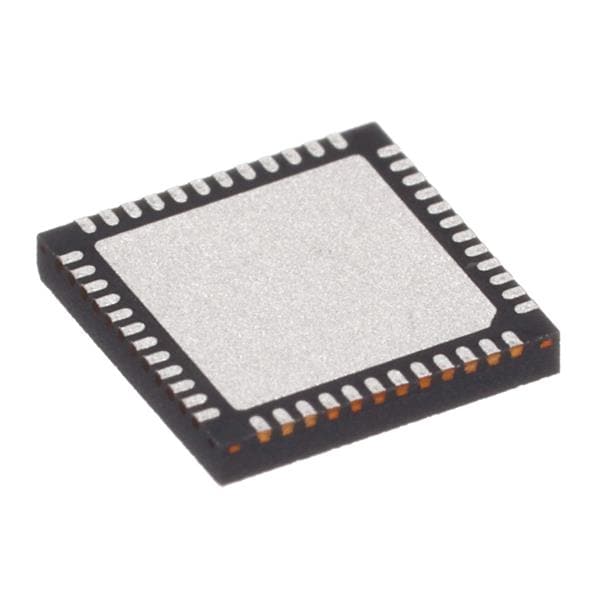
Where RF SoCs fit in embedded system design
An RF SoC is typically selected when a design requires more than a standalone processor and more than a discrete radio front end. Instead of combining multiple separate ICs for computation, communication, and control, engineers can use a more integrated device to streamline hardware development and support tighter power, space, and signal management goals.
In embedded platforms, these devices are often evaluated alongside central processing units or dedicated digital signal processors and controllers, depending on whether the application is driven primarily by wireless communication, control performance, or mixed-signal data handling. The right choice depends on how much integration, programmability, and communication capability the final design requires.
Why engineers choose RF System On a Chip devices
The main advantage of this category is system integration. Bringing RF and computing elements closer together can shorten development cycles, reduce PCB routing complexity, and help teams build more compact and reliable assemblies. This is especially relevant in industrial electronics, IoT gateways, communication modules, and space-constrained embedded systems.
Another important factor is design coordination. With fewer discrete components to source and qualify, teams can focus more on firmware, interface design, power architecture, and application performance. In many projects, that translates into faster prototyping, cleaner board layouts, and a more manageable path from development to production.
Typical selection criteria for this category
Choosing the right RF SoC usually starts with the application rather than the part number. Engineers often compare processing needs, RF integration level, package constraints, development ecosystem, and long-term availability. Thermal considerations, interface requirements, and software toolchain compatibility also play a major role in narrowing down the shortlist.
Designers may also compare these devices with programmable logic options such as complex programmable logic devices or solutions that rely on FPGA configuration memory as part of a broader architecture. That comparison is useful when the project calls for a balance between fixed integration, hardware flexibility, and communication capability.
Representative products in this range
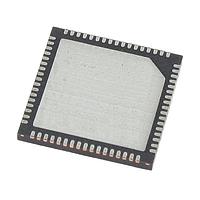
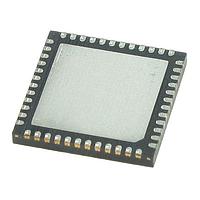
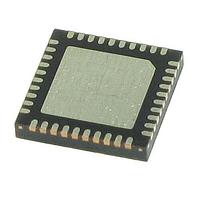
This category includes examples such as the Intel AGIB027R31A1I2VB System on a Chip (SoC), Intel AGID019R18A2E3E System on a Chip (SoC), Intel AGIA040R39A2E2VB System on a Chip (SoC), and Intel 10AS032E1F27E1HG System on a Chip (SoC). These listings help illustrate the variety of integrated SoC options available for embedded development where communication and processing functions need to coexist efficiently.
There are also devices from Altera, including the Altera AGIC041R29D2E2VB System on a Chip (SoC), Altera AGFB023R31C2E1V System on a Chip (SoC), and Altera 10AS027E4F29I3LG System on a Chip (SoC). Rather than treating every part as interchangeable, it is more useful to evaluate each device according to architecture fit, software requirements, integration goals, and expected deployment conditions.
Manufacturers commonly considered for RF and embedded integration
Within this category context, brands such as Intel and Altera are especially relevant because they appear in the current product selection. The broader embedded and semiconductor landscape may also lead buyers to compare offerings from AMD, Analog Devices, Broadcom, Infineon, and MediaTek when defining a system architecture or reviewing alternative integration strategies.
That said, manufacturer comparison should not be reduced to brand recognition alone. For B2B sourcing and engineering teams, practical factors such as lifecycle support, package availability, development familiarity, and compatibility with the rest of the embedded platform are usually more important than name alone.
Applications and design scenarios
RF SoCs are commonly considered in projects where communication capability is part of the product itself rather than an afterthought. Typical examples include industrial monitoring nodes, wireless control equipment, communication subsystems, edge devices, and embedded platforms that need to exchange data while still handling local logic or application processing.
In these use cases, the goal is often to reduce subsystem fragmentation. A more integrated SoC approach can help improve board efficiency, simplify qualification workflows, and support designs where performance, miniaturization, and maintainability all matter. For OEMs and system integrators, this can make the sourcing and design process more structured from prototype through deployment.
How to evaluate the right option for your project
A useful selection process starts by mapping the real system requirements: communication role, compute load, interfaces, power budget, software environment, and expected operating conditions. From there, it becomes easier to compare whether a given RF SoC is the right fit or whether the project would benefit more from a separate processor, controller, or programmable logic architecture.
If you are reviewing devices in this category, it helps to compare not only part numbers but also the wider embedded ecosystem around them. Looking at representative Intel and Altera models can provide a practical reference point for evaluating package density, integration philosophy, and platform suitability for long-term industrial or OEM designs.
Final thoughts
For embedded products that need wireless capability and system-level processing in a compact design, this RF System On a Chip category provides a focused starting point. By reviewing the available devices in the context of architecture, integration level, and application needs, engineering and procurement teams can make more informed decisions and identify components that fit both technical and sourcing requirements.
Whether you are refining a new design or comparing alternatives for an existing platform, the most effective approach is to match the device to the real communication and processing demands of the application. A well-chosen SoC can simplify integration, support scalable development, and create a cleaner path toward production-ready embedded systems.
Get exclusive volume discounts, bulk pricing updates, and new product alerts delivered directly to your inbox.
By subscribing, you agree to our Terms of Service and Privacy Policy.
Direct access to our certified experts