Audio ICs
Clean signal handling is fundamental in modern electronic design, whether the goal is driving a compact speaker, conditioning a microphone path, or integrating audio functions into embedded equipment. Audio ICs support these tasks at the semiconductor level, helping engineers build reliable analog and mixed-signal audio sections for consumer devices, industrial interfaces, communication products, and specialized electronics.
On this category page, you can explore audio-focused integrated circuits used for amplification, preamplification, and related signal-chain functions. The range is especially relevant for designers who need practical component options for board-level integration, from low-power speaker stages to microphone and preamp circuits that fit space-constrained designs.
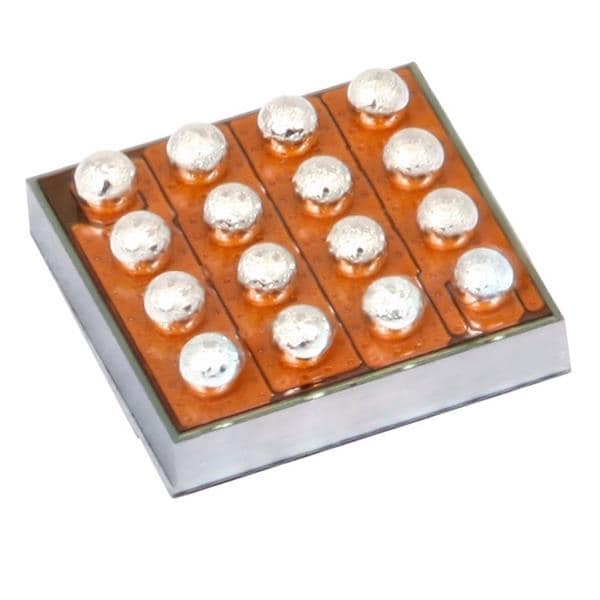
Where audio ICs fit in an electronic design
Audio circuits are often part of a broader signal path that includes input capture, conditioning, amplification, and output drive. In compact systems, dedicated ICs help reduce design complexity by integrating functions that would otherwise require multiple discrete components. This can simplify PCB layout, improve consistency, and support predictable performance during development.
Within a wider semiconductor portfolio, audio devices often overlap with adjacent functional groups such as amplifier ICs and application-specific signal devices. If your design also relies on purpose-built control or processing chips, it may be useful to review related specialized ICs for the surrounding system architecture.
Typical product types in this category
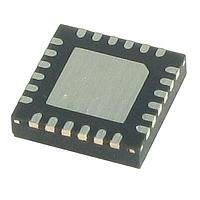
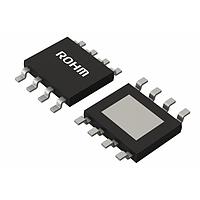
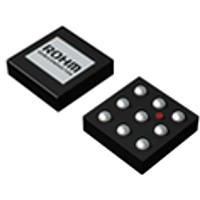
This category commonly includes speaker amplifiers, microphone amplifiers, and self-contained audio preamplifier devices. Speaker amplifier ICs are used to drive mono audio outputs in portable and embedded products, while microphone-oriented devices help raise low-level input signals to a usable range for downstream processing or transmission.
Several representative parts in this selection illustrate that range. Devices such as the Analog Devices SSM2311CBZ-REEL7 and SSM2305 family are positioned around mono Class-D speaker amplification, while the Analog Devices SSM2166P is oriented toward microphone audio amplification. The Analog Devices SSM-2017P, listed as a self-contained audio preamplifier, reflects the need for front-end signal conditioning where stable low-level signal handling is important.
Why Class-D and compact audio amplifiers are widely used
In many modern designs, Class-D amplification is favored for efficient speaker drive, especially where thermal constraints, battery operation, or limited board area matter. Compact mono amplifier ICs can be a practical fit for handheld products, control panels with voice prompts, alarm units, and embedded systems that need local sound output without a large external amplifier stage.
Examples in this category, including the Analog Devices SSM2305CPZ-REEL, SSM2305RMZ-REEL7, and SSM2311CBZ-REEL7, show the kind of small-footprint audio amplifier options commonly used in board-level designs. For engineers comparing circuit approaches, these parts sit naturally alongside other signal-conditioning solutions such as active filter devices when shaping or cleaning audio paths before or after amplification.
Selection criteria for engineering and sourcing teams
Choosing the right audio IC usually starts with the intended signal function rather than the package alone. Key questions include whether the device is meant for speaker output or microphone input, whether the design uses mono output, what supply rails are available, and how much board space can be allocated. Package style can also affect assembly method, thermal behavior, and serviceability in production environments.
It is also important to consider the broader integration context. A simple speaker amplifier may be enough for a basic alert or voice-output function, while more complex systems may need a preamp stage, gain control, or additional analog support circuitry. In compact digital products built around embedded computers, audio IC selection often depends on how the audio path interacts with the processor, codec, power rail, and output hardware.
Representative manufacturers and product examples
Analog Devices is particularly visible in this category through a range of audio-related parts, including the SSM2311CBZ-REEL7, SSM2305CPZ-REEL, SSM2305RMZ-REEL7, SSM2166P, SSM-2017P, MAX98304EWL+T, MAX98400AETX+T, and ADAU71087Z-CS. These examples cover different roles in the audio chain, from speaker amplification to microphone and preamplifier functions.
Other listed manufacturers and products help broaden the application picture. Epson appears with devices such as SVM7962CCF and SVM7966CCL, while HUBER+SUHNER is also represented in the category listing. Depending on project requirements, buyers may compare package format, intended signal role, and integration suitability rather than focusing only on one part family.
Common applications for audio ICs
Audio ICs are used in more places than conventional media products. They can appear in operator panels, embedded terminals, intercom systems, communication devices, smart instrumentation, alarm equipment, and other electronic products that need audible output or input signal conditioning. In many of these cases, the audio section is only one subsystem, but it still has a direct effect on usability and signal clarity.
For industrial and OEM sourcing, the practical value of this category lies in finding components that match the required function without overcomplicating the design. A mono speaker amplifier may be enough for notifications or speech playback, while a microphone amplifier or preamp can support voice capture, acoustic sensing, or analog front-end conditioning in a compact form factor.
How to compare parts on this category page
When reviewing available items, start by narrowing the list according to function: speaker amplifier, microphone amplifier, or preamplifier. Then compare operating voltage compatibility, output structure, package type, and whether the device aligns with the intended assembly process. This method is often more effective than scanning model numbers alone.
It can also help to evaluate where the IC sits in the complete signal chain. Some projects need only local amplification, while others require a more coordinated analog path with filters, gain stages, or control functions. Looking at the category with the full design objective in mind makes it easier to shortlist suitable parts and reduce redesign risk later in development.
Final considerations
This category brings together practical semiconductor options for audio input and output stages, with examples ranging from compact Class-D speaker devices to microphone and preamplifier solutions. For engineers, buyers, and OEM teams, the most effective approach is to match each part to the actual signal role, supply conditions, and integration constraints of the target design.
If you are building or sourcing for a complete electronic system, use this page as a starting point to identify suitable audio functions, then compare related categories and manufacturer portfolios where needed. A well-matched audio IC can simplify the signal chain, support board-level efficiency, and make the final product easier to implement at scale.
Get exclusive volume discounts, bulk pricing updates, and new product alerts delivered directly to your inbox.
By subscribing, you agree to our Terms of Service and Privacy Policy.
Direct access to our certified experts