Clock & Timer ICs
Stable timing is fundamental to digital systems, whether the goal is accurate timekeeping, clean clock distribution, or synchronized data transfer across high-speed interfaces. In practical designs, the right timing device helps reduce jitter, maintain system coordination, and support reliable operation in communication, industrial control, embedded computing, and many other electronic applications.
Clock & Timer ICs cover a broad range of timing functions, from real-time clocks used for calendar and time retention to clock generators, PLL-based devices, and application-specific timing components for Ethernet or PCI Express. This category is intended for engineers, buyers, and technical teams looking for timing components that fit both system architecture and operating conditions.
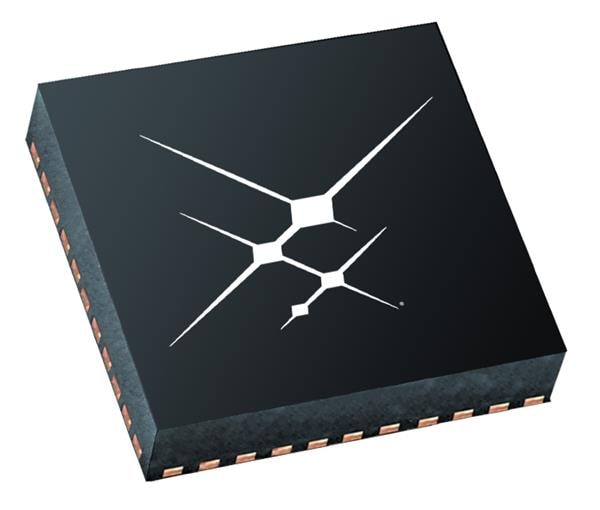
Where clock and timer ICs fit in a system
Many electronic platforms depend on a predictable timing source to keep processors, interfaces, memory, and peripheral devices aligned. In some designs, the requirement is straightforward timekeeping with backup retention; in others, the challenge is generating, multiplying, dividing, or distributing a clock with the right frequency and signal format.
That is why this category often includes several timing roles under one umbrella: real-time clocks, clock generators, PLL and frequency synthesizer devices, and application-specific timing ICs. These parts are often selected alongside related semiconductor building blocks such as memory ICs or platform-level processing solutions used in embedded and control hardware.
Common device types in this category
A practical way to evaluate timing components is by function. Real-time clocks are typically chosen when a system must retain time and date information, even during power interruptions or low-power standby modes. By contrast, clock generators and PLL devices are used to create or condition the frequency references needed by processors, communication links, and digital subsystems.
For example, products such as the Epson RX-4035SAB0 PURE SN and Epson RX-4035SAAC0 PURE SN illustrate the timekeeping side of the category, while devices like the Analog Devices HMC1031MS8ETR and Analog Devices AD9516-1XCPZ represent solutions for generated or synthesized clock signals. Application-focused parts such as the Diodes Incorporated PI6LC48P0301AZHEX for Ethernet timing or the PI6CFGL201BZDIE for PCI Express show how timing ICs are often optimized for specific interface requirements.
Key selection factors for engineering and sourcing teams
Choosing a suitable timing IC usually starts with the required function. A buyer specifying a board-level timekeeping device will not evaluate the same criteria as an engineer selecting a PLL for high-speed clock distribution. The intended role in the design should guide the shortlist before package, voltage range, or operating temperature are reviewed.
Beyond function, common technical checkpoints include input and output format, maximum frequency, whether PLL operation is needed, the required multiplication or division ratio, mounting style, and environmental range. In industrial and embedded systems, these details influence board compatibility, signal integrity, and long-term stability just as much as unit price or availability.
Examples from leading manufacturers
This category includes products from recognized semiconductor suppliers with established timing portfolios. Analog Devices appears prominently with parts such as the AD9901KP, AD9577BCPZ-RL, LTC6903CMS8#TRPBF, and HMC1031MS8ETR, covering clock generation and frequency synthesis use cases across different performance levels and integration needs.
Epson is well known for timing and RTC-related devices, with examples including RX8900CE UA X1B0003010001, Q41457451000200, and X1B000271A00400. Diodes Incorporated adds interface-oriented timing options such as the PI6LC48P0301AZHEX and PI6CFGL201BZDIE, which can be relevant where Ethernet or PCIe clocking requirements are part of the design brief.
Typical applications across industrial and embedded electronics
Clock and timer ICs are used in a wide variety of equipment because timing accuracy affects overall system behavior. In embedded control boards, they help processors and peripherals operate from a consistent frequency reference. In communication hardware, they support synchronized links and cleaner signal timing. In data acquisition and digital instrumentation, they contribute to coordinated sampling, logging, and interface timing.
They are also relevant in designs that combine multiple IC domains on one board. Systems built around processors, communications devices, or embedded computers often require dedicated timing support rather than relying on a single generic oscillator. In more specialized architectures, timing parts may also sit next to specialized ICs where application-specific synchronization is important.
How to narrow the right product for your design
When comparing parts in this category, it helps to begin with a small set of practical questions. Do you need time retention, clock generation, or frequency synthesis? Is the target interface general-purpose digital logic, Ethernet, PCIe, or another application with defined timing standards? Are the required outputs single-ended or differential, and what frequency range must the device support?
From there, packaging and implementation details become easier to evaluate. Surface-mount options, supply voltage compatibility, and operating temperature range should be checked against the board environment and power architecture. For design teams migrating or refreshing an existing platform, it is also useful to review whether the new device changes signal format, startup behavior, or timing distribution complexity.
What to expect from this category page
This page brings together timing components that support both straightforward and highly application-specific requirements. You may find RTC devices for persistent timekeeping, compact clock generators for board-level timing, and PLL-based solutions intended for synchronization or interface clock management.
Because timing requirements vary widely by application, there is rarely a one-size-fits-all answer. A suitable part depends on how the IC will be used in the wider circuit, the interface standards involved, and the operating conditions the final product must handle.
Final considerations
Timing components are easy to overlook early in a project, but they often have a direct impact on stability, interoperability, and system performance. Reviewing the role of the clock source, the required signal characteristics, and the application environment will usually lead to a more accurate product shortlist.
If you are evaluating Clock & Timer ICs for a new design or a replacement part, this category provides a useful starting point for comparing RTCs, clock generators, and PLL-based devices from established manufacturers. A careful match between function, frequency behavior, interface needs, and environmental conditions will help support a more reliable end system.
Get exclusive volume discounts, bulk pricing updates, and new product alerts delivered directly to your inbox.
By subscribing, you agree to our Terms of Service and Privacy Policy.
Direct access to our certified experts