Interface ICs
Reliable signal exchange sits at the center of modern electronic systems, whether the goal is linking a controller to field devices, isolating noisy subsystems, or moving data between boards and communication ports. In that context, Interface ICs play a practical role in making different parts of a design communicate correctly, safely, and efficiently across industrial, embedded, and telecom-oriented applications.
This category brings together components used for signal conversion, line driving, receiving, isolation, and protocol-level interfacing. It is especially relevant for engineers, purchasing teams, and system integrators who need parts that support stable data transfer, electrical compatibility, and robust system architecture rather than simply adding processing power.
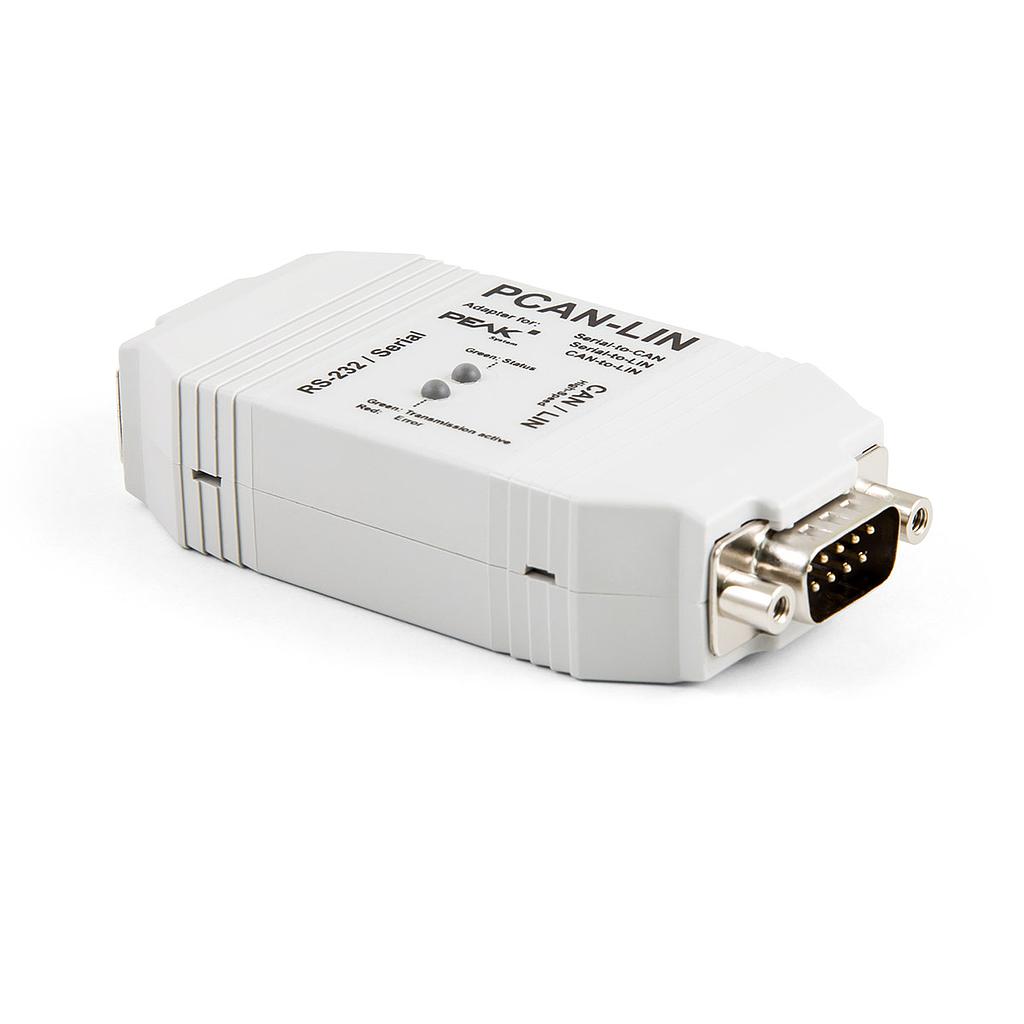
Where interface ICs fit in electronic system design
Many designs depend on more than a processor and memory. Signals often need to travel between devices that operate at different voltage domains, use different communication standards, or require protection from electrical noise. Interface devices address those gaps by helping data move between sensors, controllers, communication ports, and network hardware.
In practical terms, this category can include transceivers for serial communication, digital isolators for galvanic separation, and specialized signal interface components used in more application-specific architectures. For projects that also involve processing platforms, storage, or application-focused silicon, it can be useful to explore related categories such as embedded computers or specialized ICs depending on the system scope.
Common interface functions in this category
A large share of interface IC selection revolves around matching a communication need to the electrical environment. Some parts are intended for classic serial standards such as RS-232, while others support multipoint industrial buses such as RS-422 or RS-485. These devices help maintain signal integrity, provide the required driver and receiver structure, and simplify interconnection between logic circuits and external equipment.
Another important group focuses on electrical isolation. Isolators are used when designers need to separate control electronics from higher-noise or higher-potential sections of a system while still passing digital signals across the barrier. This is especially relevant in industrial controls, power systems, mixed-voltage designs, and communication interfaces exposed to harsh environments.
Representative products and what they illustrate
Several products in this category show the range of interface tasks that engineers commonly face. The Analog Devices ADUM7240ARZ-RL7 and ADUM130D0BRWZ illustrate the role of digital isolation in protecting sensitive logic while preserving signal transfer. These parts are relevant when common-mode transients, grounding concerns, or channel separation matter in control and communication paths.
For serial communication, the Analog Devices ADM202EARWZ is an example of an RS-232 transceiver, while the ADM483EANZ and ADM489ARZ reflect RS-422/RS-485 style connectivity for multipoint or longer-distance links. In systems where robust communications are central to equipment operation, these kinds of devices are often chosen based on topology, data rate, node count, and electrical noise tolerance rather than on a single headline parameter.
This category also extends into higher-bandwidth and network-oriented use cases. Broadcom devices such as BCM56540B0KFSBG, BCM56540XB0KFSBG, and BCM56545B0KFSBG point to interface-related roles in switching and telecom data paths, while products like the Analog Devices LTC2871IUHF#PBF or AD9398KSTZ-100 highlight that interface functions can vary from standard transceivers to more application-specific connectivity tasks.
How to choose the right interface IC
The first step is to define the communication standard or signal behavior required by the design. A board-to-board digital signal path, an isolated control line, and a fieldbus link will not be served by the same type of component. It is important to review whether the application needs a transceiver, a receiver/driver combination, or an isolation stage, and then verify voltage compatibility, channel count, and package constraints.
Environmental and system-level conditions matter just as much. In industrial electronics, designers often check operating temperature range, noise exposure, cable length, and susceptibility to transient events. In multi-node networks, bus structure and transmission method can be more decisive than raw speed. For mixed-signal systems, some projects may also require support components from areas like amplifier ICs when signal conditioning is needed before or after the interface stage.
Procurement teams may also look at long-term sourcing consistency across preferred manufacturers. Within this catalog, Analog Devices is particularly visible through examples covering isolation and serial transceivers, while Broadcom appears in more network-centric and telecom-oriented interface applications.
Typical applications across industrial and embedded systems
In factory automation, interface ICs are often used to connect controllers with drives, distributed I/O, human-machine interfaces, and external communication modules. Isolation can help reduce the impact of ground potential differences, while RS-485 class transceivers remain common in distributed industrial links where reliability and cable distance are practical concerns.
In embedded systems, these ICs support communication between processor boards, peripheral modules, and legacy serial equipment. In communications hardware, they may contribute to line interface, switching, or telecom data movement. The exact role depends on architecture, but the underlying requirement is consistent: create a dependable boundary between one signal domain and another.
Why category-level selection matters for B2B sourcing
For engineering and purchasing workflows, browsing a focused interface category can save time compared with filtering across all IC types. It allows teams to compare components that solve similar communication problems, evaluate packaging and integration trade-offs, and identify whether a design should use a standard transceiver, a digital isolator, or a more specific interface component.
This approach is also useful during early design review. A project may start with one communication assumption and later require extra isolation, different bus behavior, or a more specialized signal path. Reviewing interface options in one place makes it easier to align design intent, bill-of-material decisions, and availability planning before the hardware moves deeper into validation.
Finding the right fit for your design
Choosing among interface ICs is ultimately about matching the communication challenge to the operating environment. The most suitable part depends on whether the priority is protocol compatibility, bus structure, isolation, channel arrangement, or system robustness under real electrical conditions.
By comparing transceivers, isolators, and application-specific interface devices within the same category, teams can narrow down parts that support cleaner integration and more predictable system behavior. If your project spans serial communication, isolated digital links, or higher-level connectivity hardware, this category provides a practical starting point for selecting components that bridge those functions effectively.
Get exclusive volume discounts, bulk pricing updates, and new product alerts delivered directly to your inbox.
By subscribing, you agree to our Terms of Service and Privacy Policy.
Direct access to our certified experts