
Logic ICs
Digital systems depend on precise signal handling, clean timing, and dependable decision-making at the device level. In practical design work, that often means selecting the right Logic ICs for control paths, interface functions, data routing, and supporting logic around processors, memory, and mixed-signal circuits.
This category brings together devices used to implement core logic behavior in embedded and electronic systems. Whether you are maintaining legacy hardware, developing industrial control electronics, or sourcing parts for production, logic components remain essential for stable switching, signal conditioning, and functional integration across a wide range of board-level designs.
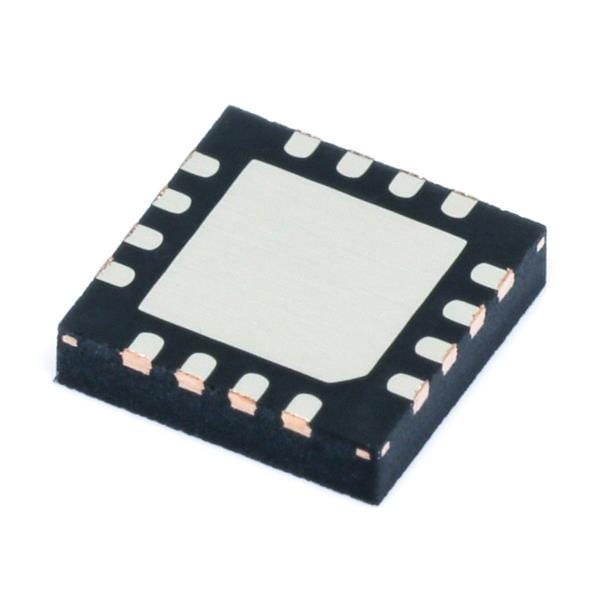
Where logic ICs fit in electronic design
Logic devices are commonly used to process binary states, route digital signals, and support the interaction between subsystems on a PCB. They may appear in industrial controllers, communication hardware, test equipment, embedded platforms, and many other products where predictable digital behavior is required.
In many projects, logic ICs work alongside devices from categories such as memory ICs or amplifier ICs. That combination is especially common in systems that need both digital control and analog front-end processing, such as instrumentation, industrial sensing, and interface boards.
Typical applications in industrial and embedded systems
In real-world use, these components help designers solve practical tasks such as signal selection, channel switching, bus management, and interface control. They are useful when one controller must communicate with multiple inputs, when several signals need to share a path, or when control logic must remain compact and reliable.
For embedded products, logic ICs can also support peripheral expansion, address or data path handling, and specialized control functions near the processor. In broader architectures that include embedded computers, discrete or semi-integrated logic still plays an important role in simplifying hardware design and improving signal organization at the board level.
Common device types in this category
This category can include several functional approaches rather than a single device style. Some parts are designed for straightforward switching or routing, while others combine multiple logic-related functions to reduce component count and streamline circuit layout.
Examples from this range include analog switch and multiplexer devices such as the Analog Devices ADG712BR, ADG711BR-REEL7, ADG431ABR, and ADG707BRUZ-REEL7. These parts illustrate how signal path control is often handled in compact IC form, with differences in channel count, configuration, and on-state resistance affecting suitability for a given application.
There are also more specialized devices and supporting logic components, including parts such as AMD AM29C983AKC and AMD AM2960/BZA. For projects that require function-specific integration beyond standard switching behavior, it can also be useful to review related specialized ICs depending on the system architecture.
How to evaluate logic IC selection
Choosing the right part starts with the actual logic task the circuit must perform. Designers typically compare factors such as channel configuration, switching topology, package style, operating voltage range, and the electrical impact of the device on the signal path. In switching and multiplexing applications, on-state resistance can strongly influence signal integrity, especially in low-level or precision circuits.
It is also important to consider whether the part is being used in new product development, field replacement, or lifecycle support for an established design. Through-hole and surface-mount package options may affect assembly strategy, while pin compatibility and electrical behavior can matter more than headline specifications in maintenance environments.
Representative products and what they suggest
Several products in this category show the range of use cases engineers may encounter. The Analog Devices ADG528FBP-REEL is an 8:1 analog multiplexer suited to applications where multiple inputs must be directed through a single signal path. The ADG707BRUZ-REEL7 extends that idea with a dual 8:1 arrangement, which can be useful in denser channel management designs.
For compact switching tasks, the ADG431ABR and ADG444ABN represent quad SPST approaches, while the AD7512DIJPZ provides a dual SPDT structure for alternative routing needs. Devices such as the AD8174AR and AD8174AN, described as multiplexer with amplifier solutions, point to designs where routing and signal conditioning may be combined in one stage rather than handled with separate devices.
These examples should be read as application indicators rather than a complete design recommendation. The right choice depends on the signal type, board constraints, control method, and the performance margin required in the final system.
Manufacturer context and sourcing considerations
Within this category, Analog Devices is prominently represented through analog switch, multiplexer, and mixed-function signal-routing parts. These devices are often relevant when a logic-related design problem overlaps with analog path control, instrumentation, or compact interface design.
AMD also appears in the available range with specialty logic components that may be relevant for legacy systems, replacement demand, or specific digital functions. When sourcing logic ICs for industrial or B2B projects, buyers often need more than part availability alone; package format, long-term maintainability, and fit within the broader electronics ecosystem are equally important.
Why this category matters for B2B procurement
For OEMs, integrators, repair teams, and contract manufacturers, logic components are often small parts with large system impact. A single switch, multiplexer, or specialty logic device can determine whether an interface behaves correctly, whether channels are isolated as intended, or whether an existing board can be serviced without redesign.
That makes technical matching and sourcing discipline especially important. Reviewing configuration, package, and function in context helps reduce substitution risk and supports more reliable purchasing decisions for both ongoing production and maintenance stock.
Final thoughts
Logic IC selection is rarely just about finding a nominally similar chip. The real requirement is to match function, electrical behavior, and integration needs to the application at hand, whether that application is a new embedded design, an industrial control assembly, or a replacement program for mature equipment.
By exploring this category with attention to switching architecture, signal path requirements, and product compatibility, buyers and engineers can narrow the field more effectively and identify devices that support dependable digital and mixed-signal system performance.
Get exclusive volume discounts, bulk pricing updates, and new product alerts delivered directly to your inbox.
By subscribing, you agree to our Terms of Service and Privacy Policy.
Direct access to our certified experts
