Memory ICs
Reliable data retention is still a core requirement in industrial electronics, embedded control, and long-life equipment maintenance. When engineers search for replacement or legacy-compatible memory devices, they often need more than a part number match—they need to understand the memory type, interface style, package considerations, and how a device fits into the wider system design. That is where Memory ICs remain highly relevant across repair, redesign, and component sourcing workflows.
This category brings together semiconductor memory devices used for storing firmware, configuration data, and program code in electronic systems. It is especially useful for teams working with embedded hardware, service inventory, and legacy boards where parallel memory architectures such as EPROM, PROM, and NOR Flash are still part of the design base.
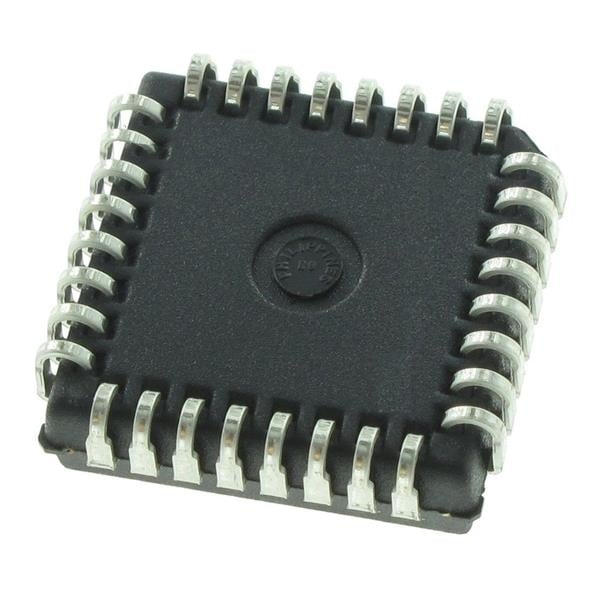
Where memory ICs fit in electronic systems
Memory devices serve a different role from logic, power, or interface components. Their primary purpose is to preserve code or data that a system must access during startup, operation, or maintenance. In many embedded platforms, the memory device stores boot code, firmware revisions, calibration parameters, or fixed application data that must remain available even after power is removed.
Within the broader semiconductor ecosystem, memory often works alongside integrated circuits such as processors, controllers, and interface devices. In practical system design, the right choice depends on whether the application prioritizes non-volatile storage, read speed, rewrite capability, package compatibility, or support for older parallel bus architectures.
Common memory technologies in this category
This selection includes several well-known non-volatile memory families. EPROM is commonly associated with legacy and service applications, where stored contents must remain stable over time and compatibility with older designs is important. PROM devices are typically used where one-time programming is acceptable, while NOR Flash supports code storage with electrical erase and reprogram capability in many embedded use cases.
These technologies may appear similar at first glance, but they are chosen for different reasons. EPROM can be valuable when maintaining established hardware platforms, PROM may suit fixed configurations, and NOR Flash is often selected when firmware updates or more flexible lifecycle management are needed. For engineers comparing adjacent storage solutions, it can also be useful to review memory cards when the application calls for removable rather than board-level memory.
Representative devices and what they suggest about application needs
Several AMD parts in this category illustrate the range of requirements that buyers may encounter. Devices such as the AMD AM27C64-200DE EPROM and AMD AM27C256-90DE EPROM reflect demand for classic non-volatile memory used in older hardware platforms, development environments, and replacement scenarios where original architecture must be preserved.
For applications requiring electrically erasable code storage in a parallel format, the AMD AM29LV800BB70FC NOR Flash Parallel 3.3V 8M-bit device points to a different design need: higher density, lower operating voltage, and support for firmware-based updates. Meanwhile, the AMD AM27S45SA/BLA PROM Parallel 16K-bit 5V 24-Pin CDIP shows how fixed-program memory still matters in designs that depend on stable, predefined logic or data maps.
These examples should not be viewed simply as isolated part numbers. They represent typical selection patterns around density, voltage, package style, and programming method. Buyers working with established inventory often start with device family compatibility first, then confirm timing, organization, and mechanical fit.
How to choose the right memory IC
A practical selection process starts with the memory type already used in the target board or design. If the system was built around EPROM, replacing it with a different technology is not always straightforward, even when density appears similar. Bus behavior, programming method, erase process, and supply voltage can all affect compatibility.
It is also important to verify the interface architecture. Many parts in legacy and industrial systems use parallel memory, so data width and address mapping should be checked carefully. Package format matters just as much, particularly for through-hole or socketed assemblies where CDIP or similar footprints may be required for direct replacement.
Additional criteria may include access time, memory organization, and operating voltage. For example, a 5V PROM or EPROM may not be interchangeable with a 3.3V Flash device without broader circuit changes. If the application extends beyond memory replacement into a larger embedded hardware refresh, related product areas such as embedded computers can help provide context for more modern platform choices.
Brand considerations and sourcing context
This category includes devices associated with AMD, a recognized name in semiconductor history and a useful reference point for buyers seeking legacy-compatible memory components. In many B2B purchasing environments, the manufacturer is important not only for brand preference, but also for identifying a known family architecture, established naming conventions, and expected device behavior.
Other manufacturers listed across the broader semiconductor range may be relevant depending on the application, especially where the project touches mixed-signal design, programmable logic, or embedded subsystems. However, when evaluating memory devices for maintenance or replacement, the most efficient workflow is usually to prioritize the existing memory family, then narrow the shortlist by package, speed, and electrical requirements.
Typical use cases for memory ICs
Memory ICs are commonly used in industrial controllers, communication boards, instrumentation, legacy computing hardware, and embedded devices that require persistent storage for startup code or configuration data. They are also relevant in repair operations where an installed memory component has failed or where original stock must be matched as closely as possible.
In development and service environments, these devices may also support firmware validation, hardware restoration, and spare-parts planning. Engineers sometimes pair memory sourcing with related component reviews, especially when troubleshooting board-level issues that may also involve supporting semiconductors from categories such as discrete components. That broader view can be helpful when failures are not limited to storage alone.
Why this category matters for legacy and industrial procurement
Not every design can be migrated immediately to newer storage platforms. Many industrial and embedded systems stay in operation for years, and that creates ongoing demand for non-volatile memory devices that align with established designs. For procurement teams, this means the category is not only about specification matching, but also about lifecycle support, service continuity, and risk reduction during maintenance.
For engineers, a well-structured memory category makes comparison easier by grouping devices around real application logic: storage method, programming behavior, interface type, and system compatibility. That is especially important when dealing with older architectures where documentation may be limited and every electrical detail matters.
Final considerations before ordering
Before selecting a device, confirm the original memory family, density, package, voltage, and timing requirements from the target board documentation or installed component marking. This step helps reduce errors in replacement planning and avoids choosing a device that is similar in name but unsuitable in practice.
For buyers working with firmware storage, service replacement, or embedded hardware support, this Memory ICs category offers a focused starting point for identifying suitable components and comparing established device families. A careful review of architecture and compatibility will usually lead to a better result than choosing by capacity alone.
Get exclusive volume discounts, bulk pricing updates, and new product alerts delivered directly to your inbox.
By subscribing, you agree to our Terms of Service and Privacy Policy.
Direct access to our certified experts