Memory Modules
System stability often depends on a component that gets far less attention than processors or storage: the memory installed in the device. In industrial computing, embedded systems, networking hardware, and legacy control platforms, choosing the right Memory Modules helps maintain reliable boot behavior, predictable application performance, and long service life across demanding operating conditions.
This category brings together module-based memory products used in commercial and industrial electronics, including DRAM modules as well as selected memory module card formats. It is relevant for buyers sourcing replacement parts, planning system upgrades, or matching compatible memory for existing equipment in automation, embedded computing, and electronic design environments.
Where memory modules fit in electronic systems
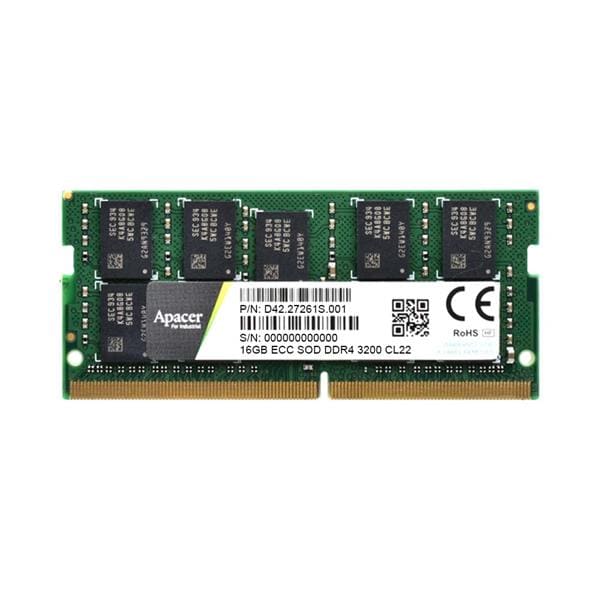
Memory modules provide the working memory or removable memory media needed by many electronic platforms. In practical terms, they support data buffering, operating system functions, application execution, and temporary storage tasks in controllers, industrial PCs, communication systems, and specialized embedded devices.
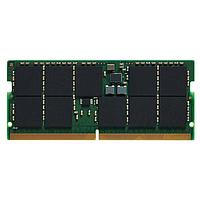
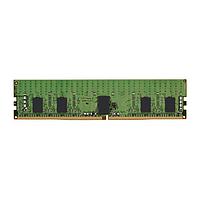
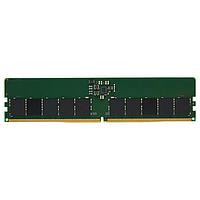
Depending on the platform, buyers may be looking for standard DRAM formats such as DIMM, SO-DIMM, or UDIMM, or for compact memory card style products used in portable or embedded equipment. If your project also involves full system platforms, related product groups such as embedded computers can help you evaluate compatibility at the device level rather than the component level alone.
Common module types found in this category
A large share of demand in this category centers on DRAM modules for installed system memory. These include older and newer generations such as SDRAM, DDR2, DDR3, and DDR3L, with form factors selected according to motherboard layout, socket type, and available space. In industrial environments, these differences matter because many deployed systems remain in service for years and often require exact or near-exact memory matching.
This category also includes memory module card products used for removable storage or device-specific memory expansion. Examples in the current assortment include items such as the Kingston SDG3/128GB Memory Module Card, Kingston SDCS2/512GBSP Memory Module Card, Maxim Integrated DS1996L-F5+ Memory Module Card, and PANASONIC RP-SMSC04DA1 Memory Module Card. While these products serve different purposes from system DRAM, they are still part of the broader memory ecosystem needed to keep electronic equipment operational.
Representative products for upgrades and replacements
For system memory upgrades, examples from this category include the Micron MT16JTF51264HZ-1G6M1 DRAM Module DDR3 SDRAM 4Gbyte 204SODIMM and the Kingston KVR16LE11K3/24 DRAM Module DDR3L SDRAM 24Gbyte 240DIMM. These examples illustrate how capacity, memory generation, and module format can vary significantly even within the same family of products.
There are also solutions suited to smaller-footprint devices or older installed platforms, such as the Kingston KVR13S9S6/2 DRAM Module DDR3 SDRAM 2Gbyte 204SODIMM, the Kingston KVR667D2E5/512I DRAM Module DDR2 SDRAM 512Mbyte 240DIMM, and the Micron MT4LSDT1632UG-8B1 DRAM Module SDRAM 64Mbyte 100UDIMM. For organizations maintaining legacy automation hardware, test systems, or field equipment, access to multiple memory generations can be especially important.
How to choose the right memory module
The first step is to confirm the required memory standard supported by the target hardware. A module must match the platform’s technology generation, physical form factor, and socket layout. DDR3 cannot simply replace DDR2, and SO-DIMM modules are not interchangeable with full-size DIMM formats even when capacities appear suitable.
Capacity should then be aligned with the application workload. A lightweight embedded interface may only need a modest module, while industrial PCs running HMI software, edge applications, or multiple services may require significantly more memory headroom. Buyers should also review whether the application needs removable media instead of installed DRAM; in those cases, it may be worth comparing options under memory cards for projects focused on portable storage rather than system RAM.
Finally, compatibility checks should include platform documentation, motherboard limitations, and any constraints related to installed firmware or legacy chipsets. Where a build includes expansion items and support components, reviewing memory accessories may also help complete the installation properly.
Manufacturers commonly referenced in this range
This category includes products associated with established names used across computing and electronics markets. Kingston and Micron appear prominently in the listed products, covering a mix of DRAM modules and memory card style devices for different integration needs. Maxim Integrated and PANASONIC also appear in representative items where application requirements extend beyond standard PC memory upgrades.
The broader manufacturer context for this category also includes companies active in embedded and semiconductor ecosystems such as Intel, Microchip, Advantech, Emerson Network Power, HARTING, and IBM Microelectronics. Their presence helps frame the category within a wider component and system environment, even when a specific purchase decision ultimately comes down to module compatibility and lifecycle fit.
Typical use cases in industrial and embedded environments
Memory modules are commonly sourced for system repair, capacity expansion, and lifecycle maintenance. Typical scenarios include replacing failed RAM in industrial workstations, restoring older control computers, upgrading compact embedded devices, or preparing spare parts for field service teams. In many B2B environments, the priority is not just performance, but consistent operation over time with known hardware configurations.
They are also relevant in prototyping and electronics development, especially when engineers need to match memory to processor platforms and surrounding integrated circuits. That makes this category useful not only for maintenance buyers, but also for teams building or validating complete electronic assemblies.
Why careful sourcing matters
Memory is one of the simplest components to replace in theory, but one of the easiest to mismatch in practice. Differences in generation, voltage class, module layout, and system support can affect whether a device boots correctly or remains stable under load. For that reason, buyers usually benefit from starting with the installed platform requirements and then narrowing the search by capacity and format.
Whether you are sourcing a legacy SDRAM module, a DDR3 or DDR3L upgrade, or a removable memory module card for embedded equipment, this category is designed to support more accurate component selection. A well-matched memory module can extend equipment life, reduce avoidable service interruptions, and simplify maintenance across industrial and electronic systems.
For procurement teams, maintenance engineers, and system integrators, the most effective approach is to treat memory as a compatibility-driven component rather than a generic commodity. Reviewing form factor, memory generation, and application context up front will make it easier to identify the right module for both new builds and long-life installed systems.
Get exclusive volume discounts, bulk pricing updates, and new product alerts delivered directly to your inbox.
By subscribing, you agree to our Terms of Service and Privacy Policy.
Direct access to our certified experts