Solid State Drives SSD
Fast boot times, shorter data-access delays, and improved resistance to vibration are common reasons engineers and industrial buyers move toward Solid State Drives SSD solutions. In embedded systems, industrial PCs, data logging platforms, and compact control hardware, storage is not just about capacity. It also affects reliability, maintenance intervals, and overall system responsiveness.
This category brings together SSD options used across commercial and industrial environments, from standard 2.5-inch SATA devices to compact embedded storage formats. Whether you are upgrading an existing platform or selecting storage for a new build, the right drive depends on interface, form factor, endurance expectations, and the operating conditions of the final application.
Why SSDs are widely used in modern systems
Compared with rotating media, SSDs use flash memory and have no moving mechanical parts. That design helps reduce sensitivity to shock and vibration while improving access speed for operating systems, applications, and frequently used data. In many automation, computing, and edge-device deployments, this translates into faster startup and a more stable user experience.
SSDs are also available in multiple physical formats, which makes them suitable for everything from standard computer upgrades to space-constrained embedded devices. Buyers comparing storage technologies may also want to review Hard Disk Drives HDD when lower cost per capacity is a higher priority than speed, compactness, or shock tolerance.
Common SSD formats in this category
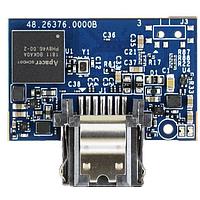
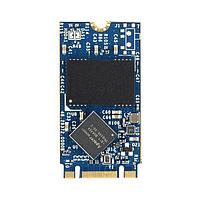
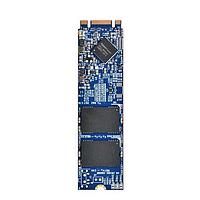
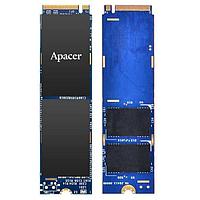
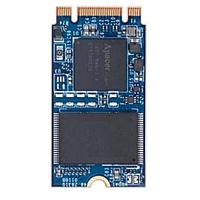
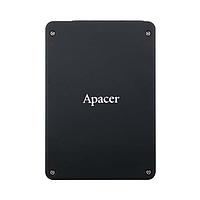
The products shown in this category illustrate how broad the SSD ecosystem can be. Some applications still rely on familiar 2.5-inch SATA drives, such as the Kingston SA400S37 SSD, which is presented with a SATA III 6 Gbps interface and a 2.5-inch form factor. This type of drive is a practical option for standard industrial computers, panel PCs, and legacy systems designed around SATA storage.
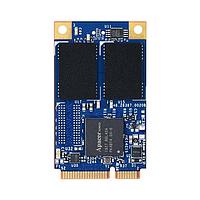
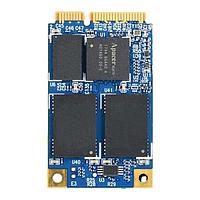
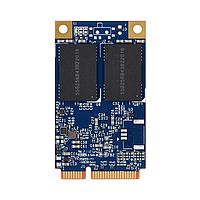
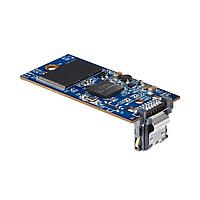
Other examples from Advantech show how SSD storage extends into smaller embedded formats. Models such as SQF-SMSM2-64G-SBE, SQF-SMSM4-128G-SBE, SQF-UPDM2-64G-U7C, and SQF-C4MZ4-256GDEDE represent the kind of compact storage used where board space, low power consumption, or rugged integration matter. This variety is important for designers building systems around industrial motherboards, single-board computers, or dedicated controllers.
How to choose the right SSD for your application
A practical SSD selection starts with the interface and form factor. The drive must match the host system, whether that means a 2.5-inch SATA bay or a board-level embedded connector. Compatibility should be checked first, because even a high-performance SSD will not help if it does not fit the hardware architecture of the target system.
The second step is to evaluate storage capacity and workload profile. A small operating system image, lightweight HMI software, or simple data logging task may need only modest capacity, while image processing, local database storage, or edge analytics can push demand much higher. Products in this category range from smaller capacities such as 8 GB and 64 GB to larger options including 1 TB-class devices, showing how SSDs support both lightweight embedded deployments and more data-intensive systems.
It is also worth considering write activity over time. Systems that continuously log machine data, recipes, events, or production records may place very different demands on flash storage than a device used mainly for boot and application loading. In these cases, looking beyond capacity to expected endurance and deployment conditions can help avoid premature replacement cycles.
Illustrative products and manufacturer coverage
This category includes SSD products from manufacturers commonly referenced in industrial and embedded markets, including Kingston, Micron, Advantech, and PHOENIX CONTACT. Each brand serves slightly different use cases, from mainstream storage upgrades to compact embedded solutions integrated into purpose-built equipment.
For example, the Kingston SA400S37 SSD is useful as a recognizable SATA-based example for general-purpose upgrades where straightforward integration is important. On the embedded side, Advantech models such as SQF-S25M8-128G-VAC and SQF-C8BV4-1TDEDC highlight the broader range of storage formats available for industrial computing platforms. Micron devices including MTFDKBK1T0QGN-1BN1AABYY and MTFDHAL12T8TDR1AT1ZABYY further reflect the role of flash storage in higher-capacity or application-specific system designs.
PHOENIX CONTACT 2701012 is another relevant example in environments where storage may be part of a larger automation hardware ecosystem. Rather than focusing only on a single drive family, many B2B buyers compare product fit in the context of the complete system: controller, IPC, communications hardware, and long-term maintenance strategy.
Typical use cases for SSD storage
SSDs are commonly selected for industrial PCs, embedded computers, machine interfaces, network appliances, and compact control systems. In these environments, fast operating system loading and lower latency can improve service efficiency, especially when devices must restart quickly after maintenance or power interruptions. The lack of moving parts can also be beneficial in installations exposed to repeated motion or mechanical stress.
They are equally relevant in edge computing and data collection roles. Systems that capture production data, event logs, local backups, or application files often benefit from flash-based storage because it combines speed with flexible integration options. For removable or highly portable data workflows, users may also explore USB Flash Drives as a complementary storage category for transfer, backup, or field service tasks.
Comparing SSDs with other storage options
SSDs are not the only storage choice, but they are often the preferred one when responsiveness, compactness, and reduced mechanical wear are important. Traditional HDD solutions may still be appropriate for bulk storage and archive-oriented applications, while optical media remains relevant in narrower legacy or distribution scenarios. The right answer depends on how the system stores, writes, retrieves, and protects data over time.
For many technical buyers, the decision is less about one technology replacing another in every case and more about selecting the best fit within the broader storage architecture. An industrial system may use an SSD for the operating environment and active software, while other media are used for backup, transfer, or long-term retention.
What to review before placing an order
Before choosing an SSD, confirm the host interface, required mounting format, target capacity, and intended duty cycle. It is also useful to check whether the drive is being installed in a fanless IPC, a rugged embedded device, a standard workstation, or an automation platform with specific environmental constraints. These factors often matter as much as raw speed figures.
If you are building a new system or replacing existing storage, this category offers a practical starting point for evaluating industrial and embedded SSD options across several form factors and manufacturers. Reviewing product details in context with your hardware platform will help narrow the choice to the drives that best support reliability, integration, and long-term operation.
Choosing storage is ultimately a system-level decision. By comparing interface compatibility, physical format, capacity needs, and application demands, you can identify an SSD solution that fits both current performance requirements and future maintenance expectations.
Get exclusive volume discounts, bulk pricing updates, and new product alerts delivered directly to your inbox.
By subscribing, you agree to our Terms of Service and Privacy Policy.
Direct access to our certified experts