
USB Flash Drives
When fast file transfer, portable storage, and simple offline data access are part of daily work, choosing the right removable media matters more than it may seem. In industrial, technical, and B2B environments, USB Flash Drives are often used for firmware updates, machine data export, service documentation, configuration backup, and moving project files between systems without adding complexity to the workflow.
This category brings together compact USB storage options suitable for everyday business use as well as technical applications where reliability, compatibility, and convenience are all important. Whether the requirement is to carry maintenance files, share engineering documents, or support operator interfaces and service tasks, USB flash drives remain a practical part of the broader storage ecosystem.
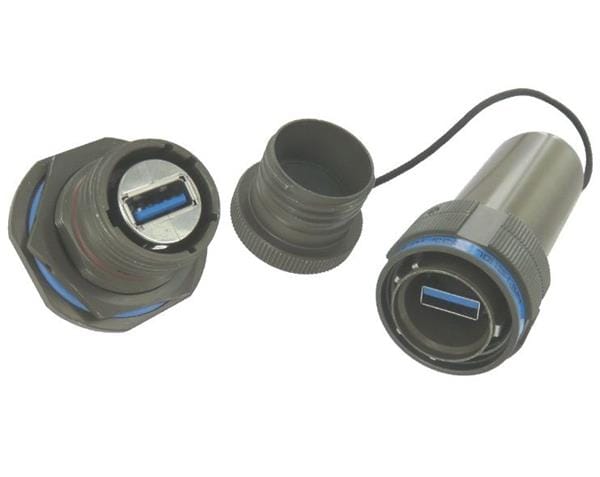
Where USB flash drives fit in modern technical workflows
Unlike permanently installed storage, USB drives are built for mobility. They are commonly used to move files between workstations, upload recipes or settings to equipment, archive reports from field service jobs, or keep essential documents available without network access. In many environments, that simplicity is still valuable, especially when systems are segmented or internet access is limited.
They also complement other storage formats rather than replacing them. For high-capacity or always-installed applications, businesses may also evaluate solid state drives or other fixed storage options, while USB media is preferred where portability and quick access are the priority.
What to consider when selecting a USB flash drive
The right choice depends on how the drive will be used. Capacity is one of the first factors, especially when handling software packages, project backups, machine logs, images, or multimedia documentation. Smaller capacities may be enough for configuration files and routine transfers, while larger options are often preferred for broader engineering or maintenance use.
Connector design and physical format are also important. In office and industrial settings alike, users often look for a balance between compact size and ease of handling. A drive that is too small may be easy to misplace, while a larger housing can be easier to insert and remove in crowded panels, operator stations, or laptops used in the field.
It is also worth considering the operating environment. Frequent plugging and unplugging, transport between sites, and use by multiple teams can place stress on removable media. For that reason, many buyers focus not only on price, but also on the overall build quality and the reputation of the manufacturer.
Representative products in this category
This category includes widely recognized models from brands used across consumer, commercial, and technical markets. Examples include the Kingston DTX/32GB and Kingston DTX/64GB, which suit common day-to-day file transfer tasks where straightforward portable storage is needed.
From SanDisk, products such as the SDCZ48-032G-U46, SDCZ430-032G-G46, and SDCZ43-032G-GAM46 provide additional options for users comparing form factor and general usage preferences. Businesses that standardize around a particular vendor may also consider models like the SamSung MUF-64DB/EU, SamSung MUF-128DB/EU, or Toshiba THN-U301W0320C4 and THN-U301W0640C4 for routine portable storage needs.
For more application-specific environments, SIEMENS models such as 6AV76750FX000AA0 and 6AV76750FX300AA0 may be relevant where USB storage is used alongside industrial systems, service tools, or automation-related workflows. These examples illustrate the range of options available without treating every drive as interchangeable.
Common B2B and industrial use cases
USB flash media is frequently used in maintenance, commissioning, and support activities. Technicians may carry firmware files, machine backups, HMI project data, manuals, checklists, or diagnostic exports on a drive so that the required information is available directly at the point of service. This can reduce downtime and simplify work in plants or facilities where network access is restricted.
In offices, laboratories, and engineering departments, USB drives remain useful for exchanging presentations, CAD-related documents, test records, and archived deliverables. They are also practical for temporary data transport between isolated systems, legacy equipment, or machines that are not intended to be connected to shared networks.
Where portable storage is only one part of the infrastructure, organizations may also compare removable media with hard disk drives for bulk storage or long-term local retention. The best approach often depends on whether the priority is mobility, installed capacity, or speed of access.
How brand choice can influence purchasing decisions
Many buyers prefer to source from established manufacturers because consistency matters in business environments. Brands such as Kingston, SamSung, SanDisk, Toshiba, and SIEMENS are familiar reference points when teams want to standardize procurement, simplify replacement, or align with existing internal preferences.
Brand selection can also be shaped by the intended application. A general-purpose office deployment may prioritize cost-effective, widely available models, while an automation-related use case may place more emphasis on ecosystem compatibility and practical use alongside industrial hardware. In either case, selecting from known manufacturers can make purchasing and support processes more predictable.
USB drives within a broader storage strategy
USB flash drives are most effective when used for the tasks they handle best: portable transfer, temporary backup, local access, and easy file sharing. They are not always the primary answer for every storage requirement, but they continue to fill an important role between fixed internal media and larger external storage solutions.
For organizations reviewing multiple storage formats, it can be helpful to compare this category with optical drive options or other storage types depending on retention needs, update frequency, and system compatibility. Looking at the wider storage landscape helps ensure the selected product matches the workflow instead of simply matching a specification line.
Choosing the right USB flash drive for your application
A suitable drive is usually the one that aligns with actual usage: enough capacity for the files involved, a practical physical design, and a manufacturer that fits your procurement standards. For some buyers, that may mean simple everyday models for document transfer. For others, it may mean selecting USB media that supports service, automation, or machine-interface tasks more comfortably.
Exploring the available range in this category is a good starting point if you need portable storage for technical documentation, software transfer, backup files, or field support. With options from well-known brands and models suited to different capacities and use cases, this category helps narrow the search to USB flash drives that make sense for real B2B work.
Get exclusive volume discounts, bulk pricing updates, and new product alerts delivered directly to your inbox.
By subscribing, you agree to our Terms of Service and Privacy Policy.
Direct access to our certified experts


