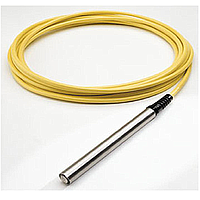
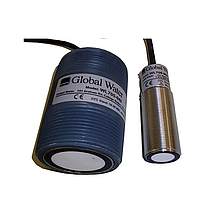
Level sensor
Reliable level measurement is essential wherever liquids, powders, granules, or bulk materials need to be monitored safely and consistently. In industrial tanks, process vessels, water treatment systems, food production lines, and OEM equipment, choosing the right sensing method helps reduce overflow risk, prevent dry running, and improve overall process visibility.
Level sensor solutions are used for both simple point detection and continuous level monitoring, depending on the application. This category is relevant for engineers, integrators, maintenance teams, and procurement specialists looking for components that fit real operating conditions such as media type, tank geometry, installation constraints, and required output signals.
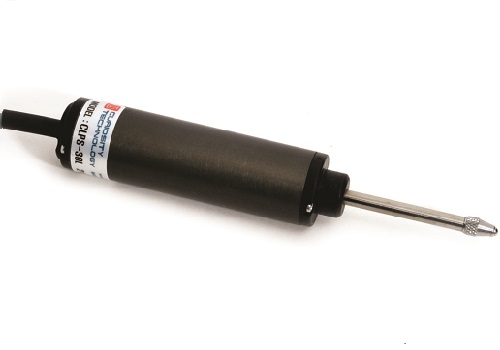
Where level sensors are commonly used
Level measurement appears in a wide range of industrial and commercial systems. Typical use cases include monitoring water and wastewater tanks, checking coolant or lubricant reservoirs in machinery, controlling chemical storage, and detecting material presence in hoppers or silos. In many of these environments, the sensor becomes a critical input for alarms, pumps, valves, or PLC-based automation.
The right device depends on whether the task is to detect a single threshold or track changing fill level across a range. For broader sensing needs in process and machine monitoring, users may also compare options across environmental sensors and other transducer categories when building a complete measurement system.
Common level sensing principles
Not all applications require the same measurement technology. Some installations only need a point level detection signal to confirm whether material has reached a defined high or low position. Others need continuous feedback to support inventory management, dosing, or closed-loop process control.
Depending on the medium and installation conditions, level sensors may be selected for contact or non-contact operation. Engineers typically evaluate factors such as conductivity, viscosity, foam, turbulence, pressure, temperature, and the presence of dust or buildup. In liquid systems, the sensing principle must also match whether the medium is clean, corrosive, conductive, or prone to coating.
Key factors when selecting a level sensor
A practical selection process starts with the material being measured. Liquids, slurries, powders, and bulk solids behave differently, so sensor performance can vary significantly from one application to another. Tank size, mounting position, dead zones, and required response time also matter, especially where space is limited or switching must happen at a precise threshold.
Electrical and control requirements are equally important. Buyers should confirm supply voltage, output type, interface compatibility, and environmental protection before finalizing a part. In automated systems, it is also useful to consider whether the level signal will interact with related devices such as pumps, alarms, or flow sensors & pitot tubes to support wider process monitoring.
Industrial brands used in level sensing applications
This category includes products from established manufacturers commonly specified in industrial automation, instrumentation, and OEM design. Brands such as Endress+Hauser, Honeywell, Pepperl+Fuchs, Banner Engineering, and OMEGA are often considered where reliability, integration, and application fit are key purchase criteria.
Additional options from suppliers such as Omron Automation and Safety, Festo, Panasonic Industrial Automation, Adafruit, and Littelfuse may also be relevant depending on whether the project focuses on factory automation, embedded development, machine building, or general industrial sensing. Rather than choosing by brand alone, it is usually better to match the sensor to media characteristics, installation method, and control architecture.
Level sensors in broader automation and measurement systems
In many installations, a level sensor is only one part of a larger control loop. The signal may be used to start or stop pumps, trigger refill logic, generate high-level alarms, or protect equipment from dry operation. That makes sensor selection closely tied to system reliability, maintenance planning, and overall process safety.
For applications involving multiple physical variables, level measurement is often combined with pressure, temperature, or load-based monitoring. In some tank and vessel designs, engineers may also evaluate alternatives such as load cell solutions when indirect mass-based level estimation is more suitable than direct sensing inside the container.
What matters in harsh or demanding environments
Industrial level sensing often takes place in conditions that are less than ideal. Moisture, vibration, aggressive chemicals, washdown requirements, foam, condensate, and material buildup can all affect sensor behavior over time. A device that works well in a clean water tank may not be appropriate for sticky process fluids or dusty bulk solids handling.
This is why application review is so important before purchase. Beyond basic sensing range, teams should assess enclosure suitability, wetted material compatibility, mounting stability, and maintenance access. Paying attention to these details helps reduce nuisance alarms and unplanned replacement cycles while supporting more stable operation over the long term.
Choosing the right category for your application
Some projects begin with level measurement but later require additional sensing around the same machine or process. For example, a packaging line or material handling system may need object detection, liquid monitoring, and process status feedback at the same time. In those cases, reviewing related sensing categories can help define a more complete bill of materials and avoid mismatched components.
If your requirement is specifically to detect or monitor tank, vessel, reservoir, or bin contents, this category is the right starting point. From simple threshold detection to more integrated process measurement, the best choice usually comes from aligning the sensing principle with the medium, operating environment, and control objective rather than focusing only on price or brand familiarity.
A well-matched level sensor supports safer operation, better process consistency, and easier system integration. By narrowing choices based on media type, installation conditions, and signal requirements, buyers can identify products that fit both immediate project needs and long-term maintenance expectations.
Get exclusive volume discounts, bulk pricing updates, and new product alerts delivered directly to your inbox.
By subscribing, you agree to our Terms of Service and Privacy Policy.
Direct access to our certified experts