
Filter Integrity Tester
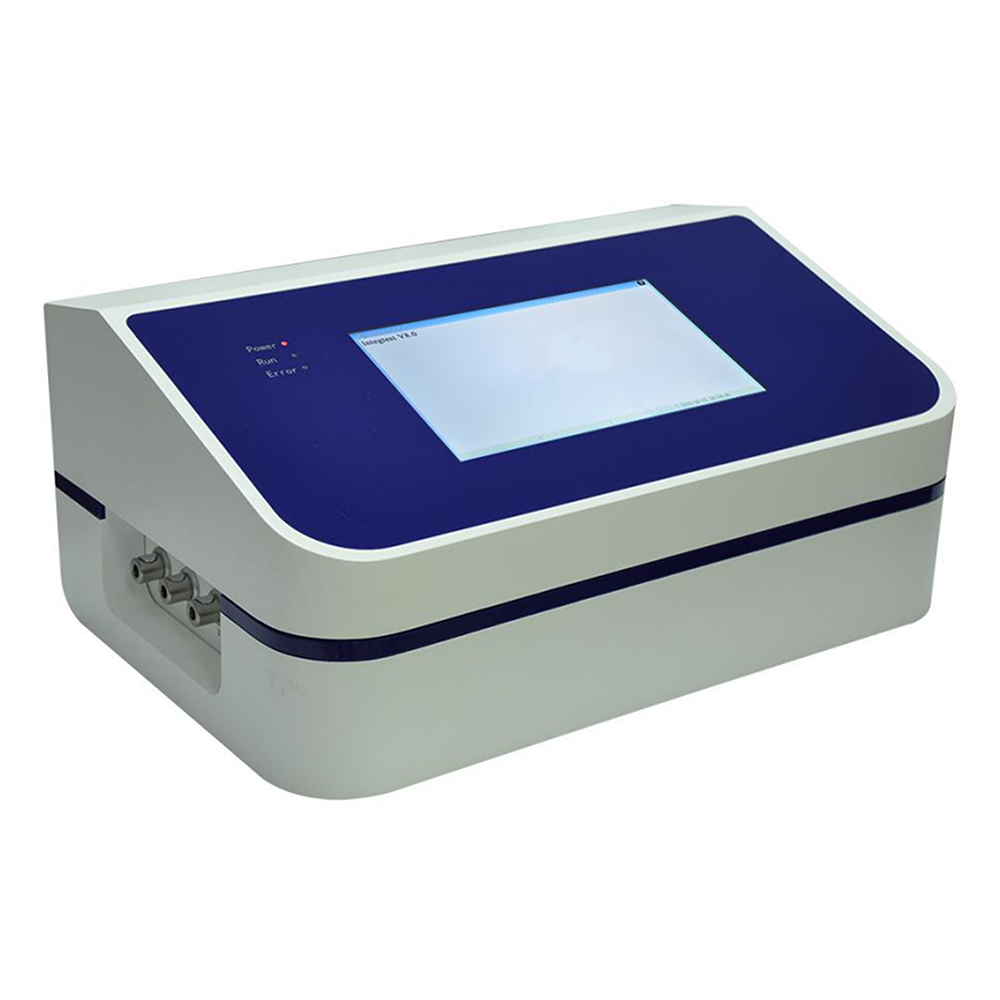
In filtration processes, product quality often depends on one critical question: is the filter performing as expected before, during, or after use? For laboratories and regulated production environments, that question is typically answered with a Filter Integrity Tester. These instruments are used to verify membrane and cartridge filter performance through controlled pressure-based test methods, helping teams confirm process reliability and document results with greater confidence.
Why filter integrity testing matters
Integrity testing plays an important role wherever membrane filters, capsule filters, flat filters, cartridge filters, or ultrafiltration assemblies are part of the process. Instead of relying only on visual inspection, these systems check whether a filter meets expected performance conditions through measurable test procedures such as bubble point, diffusion flow, pressure holding, and water immersion testing.
This is especially relevant in environments where traceability, repeatability, and controlled operating conditions matter. A suitable tester helps operators standardize testing routines, reduce manual variability, and maintain records that support internal quality procedures.
Common applications of a Filter Integrity Tester
A filter integrity tester is typically selected for applications involving membrane verification and filtration quality control. Based on the products in this category, these instruments can be used with symmetric and asymmetric membranes, needle filters, capsule filters, flat filters, cartridge filters, and ultrafiltration membrane packages.
In practical terms, this makes the category relevant for laboratories, pilot systems, and production support settings where filtration is a defined process step. Teams comparing these instruments may also review other supporting laboratory equipment solutions depending on how testing, sample preparation, and process documentation are organized in their workflow.
Typical test methods and operating functions
The featured models in this category show a clear focus on multi-method testing. Common functions include bubble point testing, basic and extended bubble point procedures, pressure holding tests, diffusion flow tests, water immersion tests, and ultrafiltration membrane testing. This range is useful for users who need one platform to support several validation or routine inspection tasks.
Another practical point is operating flexibility. The listed units support multiple pressure units such as mbar, kPa, psi, and kgf/cm2, which can simplify use across different teams or documentation standards. Touchscreen operation, onboard data storage, export capability, and PC connectivity are also important for sites that need both day-to-day usability and longer-term record management.
Representative instruments in this category
Among the highlighted products, the Samyon range includes models such as the Samyon Syv4.0 Filter Integrity Tester, Samyon SYV6.5 Filter Integrity Tester, and Samyon Syv8.0 Filter Integrity Tester. These examples illustrate the type of equipment available for controlled filter verification across a broad operating pressure range of 100 to 10000 mbar.
While model selection depends on the test method, documentation needs, and operating environment, the listed systems share several practical features. These include bilingual operation, touchscreen interface, data export support, user and authority management, and local record storage. For buyers in regulated or audit-sensitive environments, those workflow features may be just as important as the pressure test capability itself.
How to choose the right Filter Integrity Tester
When comparing instruments, start with the filter formats used in your process. Not every workflow uses the same membrane configuration or cartridge arrangement, so compatibility with your test objects should be reviewed first. The next step is to confirm the required test methods, pressure range, accuracy expectations, and whether the instrument fits offline, benchtop, or connected operation in your facility.
It is also useful to consider data handling requirements early in the selection process. Features such as audit trail storage, user permissions, export via USB, and communication options like RS232 or USB can affect how easily the tester fits into your quality system. In some laboratories, supporting items such as carts and trolleys may also matter when instruments need to be moved between preparation, testing, and documentation areas.
Category context within laboratory testing workflows
Although this category is specialized, it sits within a broader laboratory ecosystem where sample handling, preparation, and process support equipment all contribute to reliable results. For example, some facilities may pair filtration verification steps with related bench activities, storage routines, or sample preparation tools depending on the type of material being processed.
Where workflows extend beyond filter verification alone, users may also explore adjacent tools such as laboratory blenders for sample preparation or other application-specific lab equipment. The goal is not simply to purchase an instrument, but to build a testing setup that matches process control requirements from preparation through final documentation.
Related testing needs beyond filtration
Some buyers evaluating this category may also be involved in broader material or quality testing projects. For example, the featured Samyon lineup also includes the Samyon UTM-1442 Universal Testing Machine, a separate type of equipment used for tension, compression, bending, peel, and tear testing across materials such as plastics, rubber, textiles, and packaging. That does not replace filter integrity testing, but it shows how different quality control tasks often coexist within the same lab or industrial environment.
This distinction is important during procurement. A filter integrity tester is intended for filtration verification and membrane-related test procedures, while a universal testing machine addresses mechanical material behavior. Choosing the right category from the start helps narrow specifications and avoid mismatched equipment.
Final considerations
Choosing a Filter Integrity Tester is mainly about matching the instrument to your filter type, testing method, operating pressure, and documentation expectations. For teams working in controlled environments, the right system can support more consistent verification routines and clearer records without adding unnecessary complexity.
If you are comparing models in this category, focus on the practical details that affect daily use: supported test modes, data handling, interface design, connectivity, and compatibility with your filtration setup. That approach usually leads to a more useful shortlist and a better fit for long-term laboratory operation.
Get exclusive volume discounts, bulk pricing updates, and new product alerts delivered directly to your inbox.
By subscribing, you agree to our Terms of Service and Privacy Policy.
Direct access to our certified experts

