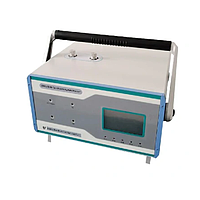
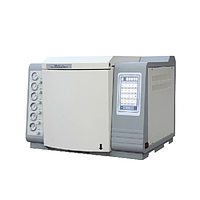
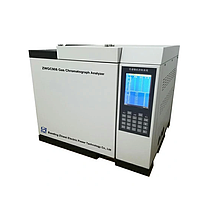
Chromatography
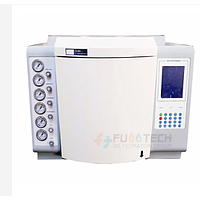
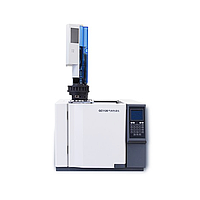
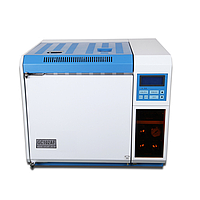
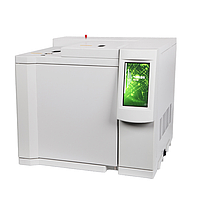
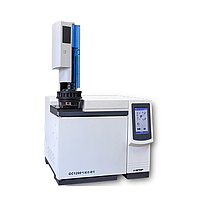
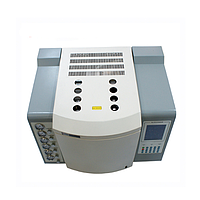
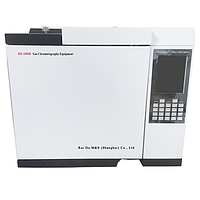
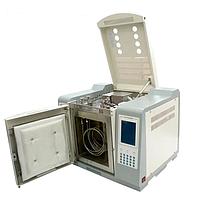
Accurate separation is at the heart of many laboratory workflows, from routine quality control to advanced analytical research. In practice, the right Chromatography setup helps laboratories identify components in complex samples, improve repeatability, and build reliable testing methods across pharmaceutical, food, chemical, and environmental applications.
This category brings together chromatography-related equipment and supporting systems used in modern labs. Beyond the core separation principle of a stationary phase and a mobile phase, successful operation also depends on sample handling, gas quality, purification, and stable system conditions throughout the analytical process.
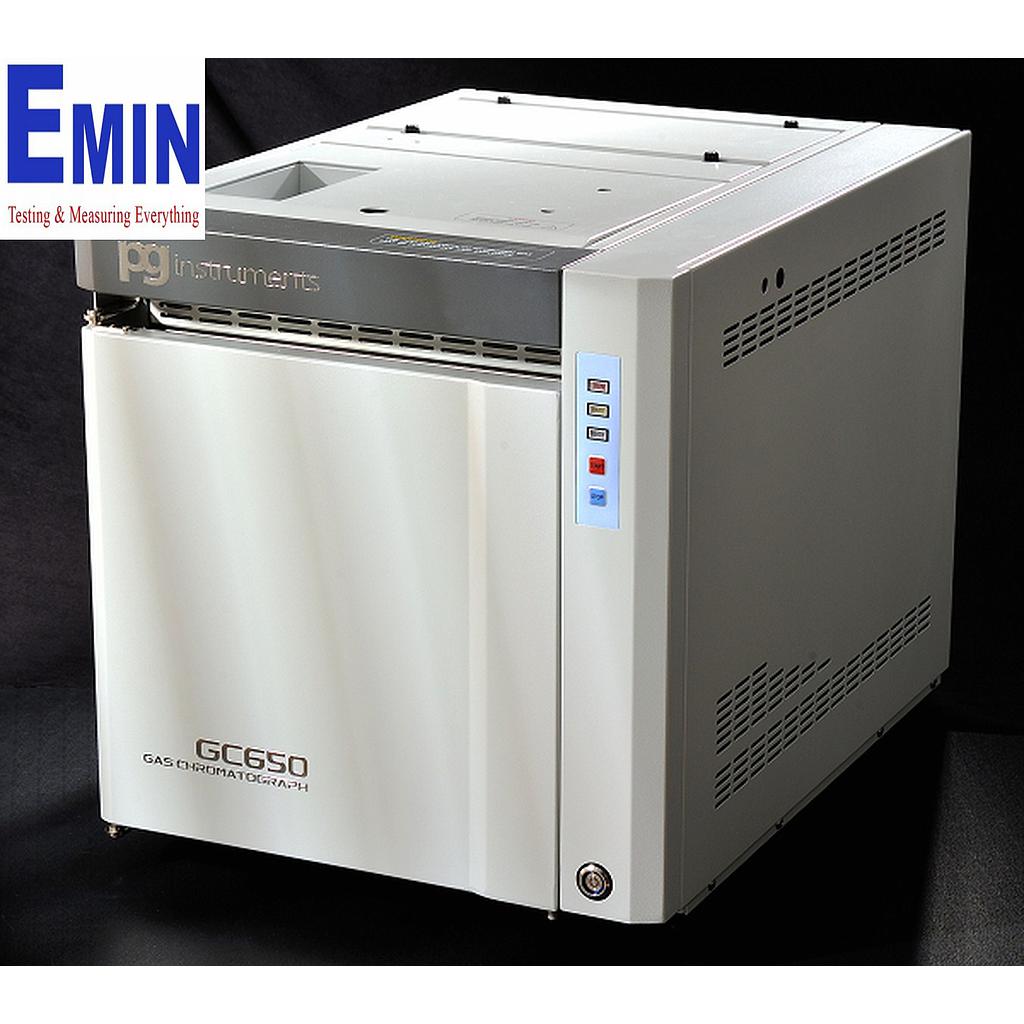
Why chromatography remains essential in laboratory analysis
Chromatography is widely used because it can separate mixtures into individual components with a high level of analytical control. This makes it suitable for applications such as impurity profiling, raw material verification, product consistency checks, and trace-level analysis where simple screening methods may not be enough.
Different techniques are selected according to sample behavior. Volatile compounds are often analyzed by gas chromatography, while non-volatile or heat-sensitive substances are typically better suited to liquid-based methods. Simpler formats such as chromatography paper or thin-layer approaches still have value for rapid checks, preliminary comparisons, and educational or routine qualitative work.
Common chromatography approaches and where they fit
In most laboratories, technique selection starts with the physical and chemical properties of the sample. Gas chromatography is generally chosen when analytes can be vaporized without decomposition, while liquid-phase methods are preferred when compounds require gentler conditions or stronger interaction control during separation.
Paper-based and planar methods remain useful where low-complexity workflows are sufficient. For laboratories building a broader analytical environment, chromatography often works alongside other sample-preparation and support tools. For example, practical bench organization, transport, and handling can matter just as much as the instrument itself, especially in busy testing spaces that also use items such as laboratory carts and trolleys for material movement.
What to evaluate before choosing a chromatography system
Choosing the right system is usually less about a single specification and more about process fit. Key questions include sample volatility, expected concentration range, contamination risk, required throughput, and whether the method will be used for research, routine QC, or regulated analysis. These factors influence not only the instrument type, but also accessories, gas handling, and maintenance needs.
Laboratories should also consider inlet and outlet connections, communication options, operating conditions, and how easily the system can be integrated into an existing workflow. Where gases are part of the method, stable pressure, consistent flow, and contamination control become especially important. This is one reason why supporting hardware around purification or trapping can be highly relevant in chromatography environments.
The role of gas purification and cryogenic trapping in chromatography workflows
In some analytical setups, chromatography performance depends heavily on the quality of process or carrier gases. Trace moisture, unwanted contaminants, or unstable supply conditions can affect baseline stability, detector response, and measurement repeatability. Supporting systems such as purifiers, recovery modules, and cryogenic traps help laboratories manage these risks more effectively.
A good example is the LDetek range included in this category context. Solutions such as the LDetek LDCRYO-D LDCryo Cryogenic Trap System are designed for controlled trapping and gas management, while the LDetek LDRPS series supports gas recovery and purification with different communication options such as Modbus or Profibus. These products are not stand-alone chromatography columns or detectors; instead, they play a supporting role in maintaining clean, stable analytical conditions for demanding gas-related applications.
Representative products in this category
Several featured products illustrate how this category extends beyond the main analyzer to the wider analytical ecosystem. The LDetek LDCRYO-D LDCryo Cryogenic Trap System is relevant where cryogenic trapping is required to remove or capture target components under controlled pressure and flow conditions. In practical terms, this kind of equipment can help stabilize upstream conditions before or during analytical work.
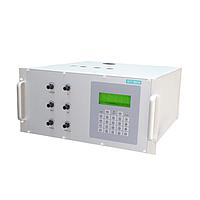
The LDetek LDRPS-S-H₂ series shows another side of the workflow: gas recovery and purification. Variants with purifier-only, cryogenic-trap-only, or combined configurations allow laboratories to align the setup with application requirements. The presence of rackmount construction, industrial communication options, and hydrogen-focused configurations indicates suitability for integration into more controlled laboratory or process-analysis environments.
For buyers comparing suppliers across the wider lab landscape, it can also be useful to review brands with broader analytical and laboratory portfolios such as Merck and Metrohm, depending on the type of chromatography workflow being built.
How manufacturers fit into the chromatography ecosystem
This category includes manufacturers associated with different parts of the laboratory workflow. Some brands are better known for analytical instruments and chemistry-related solutions, while others contribute supporting equipment, sample-handling tools, or gas-treatment components that help maintain measurement reliability.
That distinction matters during procurement. A laboratory setting up a new method may need more than one product type: the main analytical platform, consumables, support hardware, and general bench or utility equipment. In mixed-use environments, even adjacent items such as burners and torches may still be part of the broader lab infrastructure, although they serve a very different purpose from chromatography itself.
Practical buying considerations for B2B users
For purchasing teams, technical managers, and laboratory engineers, the best choice usually comes from matching the equipment to the actual operating scenario. Consider whether the system will run continuously or intermittently, what gases are used, how often purification or regeneration may be needed, and whether digital communication with other lab or plant systems is required.
It is also useful to think in terms of lifecycle support rather than initial selection alone. Installation constraints, service access, spare part planning, and compatibility with future analytical expansion can all affect the long-term value of the purchase. In chromatography applications, consistent operation often depends on the quality of the complete setup, not just the core instrument.
Final thoughts
Chromatography is not a single device category but a broader analytical framework that combines separation methods, sample preparation, gas control, and stable operating conditions. Whether you are selecting a core platform or looking for supporting systems such as purification and cryogenic trapping, the right configuration should reflect your sample type, process demands, and integration requirements.
By reviewing the available product range, featured manufacturers, and workflow needs together, laboratories can make more informed decisions and build a chromatography setup that is practical, scalable, and aligned with day-to-day analytical goals.
Get exclusive volume discounts, bulk pricing updates, and new product alerts delivered directly to your inbox.
By subscribing, you agree to our Terms of Service and Privacy Policy.
Direct access to our certified experts