
Bioreactor
Process development and cell cultivation often depend on how precisely temperature, mixing, gas transfer, and monitoring can be controlled. In laboratory and pilot environments, the right bioreactor setup helps researchers maintain stable culture conditions, improve repeatability, and scale workflows more confidently from small-volume studies to larger single-use systems.
This category brings together benchtop and specialized bioreactor equipment for different cultivation and reaction needs. The available range includes compact culture systems, culture controllers, rocking single-use platforms, and high-pressure reactor sets, making it easier to compare solutions based on process type, vessel volume, control requirements, and installation constraints.
Where bioreactors fit in laboratory workflows
Bioreactors are used when a process needs more than simple mixing or heating. Compared with general lab agitation equipment, they are intended for controlled cultivation or reaction environments where parameters such as temperature, dissolved oxygen, pH, gas flow, and motion profile can directly influence biological growth or synthesis results.
In practice, this can include microbial culture, cell-related process development, oxygen-controlled experiments, and specialized synthesis under elevated temperature or pressure. For supporting tools used around sample preparation or routine lab handling, users may also browse related laboratory items such as blending equipment or lab carts and trolleys where appropriate for the broader workflow.
Main equipment types available in this category
The product mix in this category is not limited to one reactor format. It includes stirred culture systems from TAITEC, rocking single-use platforms from MicroDigital, a benchtop bioreactor from ESCO, and compact high-pressure magnetic stirring reactor sets from SciLab. Each type serves a different process purpose, so selection should start with the application rather than vessel size alone.
For biological culture and parameter control, TAITEC systems such as the VMF-500, VMF-1500, VMF-3000, and VMF-10000 illustrate a scale range from small-volume work up to larger laboratory batches. The TAITEC S-BOX×10αII culture controller adds pH, dissolved oxygen, and flow-related control capability, which is useful when monitoring and gas management are central to the process. For larger disposable workflows, MicroDigital CELBIC 500 and CELBIC 1000 represent single-use rocking bioreactor platforms designed around broad working-volume ranges and multi-gas control.
Comparing stirred, rocking, and high-pressure reactor formats
Stirred bioreactors are commonly chosen when the process depends on active mixing in a vessel with controlled temperature and optional gas supply. In this category, the TAITEC VMF series reflects that approach, using controlled heating and mechanical motion to support culture conditions typically set near 37°C. These systems can be appropriate when users want compact equipment with repeatable vessel geometry and defined motion settings.
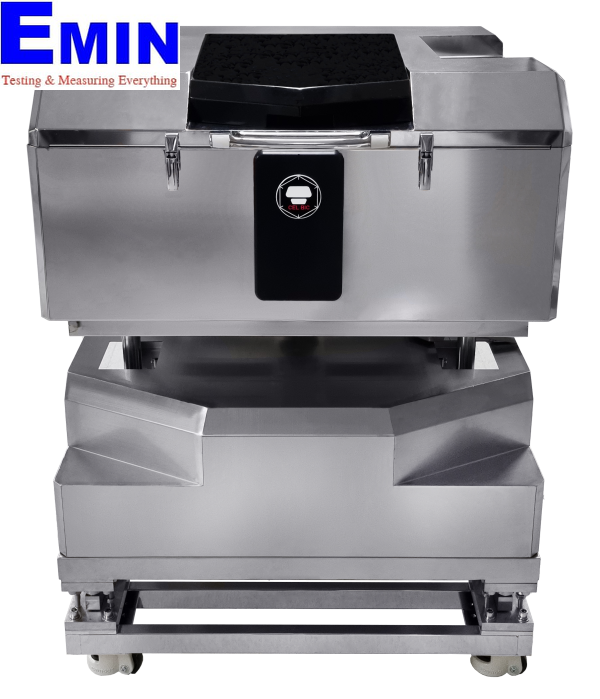
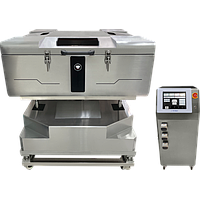
Rocking single-use systems, such as the MicroDigital CELBIC series, are more relevant when disposable cultivation bags, reduced cleaning demands, and scalable handling are important. Their control structure emphasizes rocking rate, angle, gas mixing, and sensor integration rather than a traditional impeller-driven format. This makes them attractive for facilities looking at flexible process development or reduced turnaround between batches.
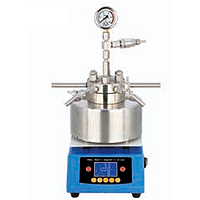
By contrast, the SciLab HJ-PMRB-50, HJ-PMRB-100, HJ-PMRB-250, and HJ-PMRB-500 are high-pressure mini autoclave reactor sets. These are better understood as specialized reaction platforms for hydrothermal synthesis and magnetic stirring under demanding temperature and pressure conditions, rather than standard cell culture systems. They belong in this category because they support controlled reactor operation, but they serve a distinctly different use case.
How to choose the right bioreactor for your process
The first selection factor is process objective. If the work involves biological culture with close control of pH, dissolved oxygen, and gas input, a system paired with dedicated culture control may be the better fit. If the goal is single-use process flexibility at higher working volumes, rocking platforms such as CELBIC 500 or CELBIC 1000 may be more practical. If the application involves hydrothermal or pressurized synthesis, the SciLab reactor sets are more aligned with that requirement.
The second factor is working volume. This category includes very small vessel capacities, such as the TAITEC VMF-500 at 0.5 L, through larger laboratory systems such as VMF-10000 at 10 L, and much larger single-use working ranges in the MicroDigital line. Matching reactor size to seed train strategy, media cost, and sample throughput helps avoid underutilized capacity or difficult scale transitions.
A third consideration is utilities and installation. Some systems need multiple gas lines, pressure-controlled supply, or dedicated electrical infrastructure. Before selecting a unit, it is worth checking whether your lab can support the required power, gas connections, environmental conditions, and bench or floor space without additional modifications.
Control and monitoring considerations
For many users, the real value of a bioreactor lies in how well it can maintain stable, measurable conditions over time. Parameters such as temperature stability, gas delivery, and response to changing oxygen demand are especially important in culture applications. The TAITEC S-BOX×10αII is a good example of a controller-oriented component in this category, with display and setting ranges covering pH, dissolved oxygen, and flow-related control outputs.
When comparing systems, it is useful to look beyond headline capacity and focus on the control architecture. Ask whether the process needs only heating and agitation, or whether it also requires sensor feedback, gas cascade logic, analog output, or external data integration. In early-stage development, simpler control may be sufficient; in more sensitive or documented workflows, broader monitoring capability becomes more important.
Representative products in this category
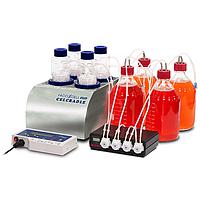
Several products in this category highlight the diversity of available reactor formats. TAITEC VMF models cover compact culture vessels from 0.5 L to 10 L, with controlled heating and motion settings suited to laboratory culture work. The ESCO 2230005 CelCradle® Benchtop Bioreactor represents another benchtop cultivation approach, designed for operation in a CO2 incubator environment and supporting controlled up-down motion.
For larger-scale disposable processing, MicroDigital CELBIC systems provide single-use bioreactor configurations with multi-gas mixing, sensor support, and rocking motion. For specialized synthesis, SciLab HJ-PMRB mini autoclave reactor sets offer magnetic stirring and high-pressure operation in compact volumes from 50 mL to 500 mL. Together, these examples show that this category supports both life science cultivation and controlled reactor-based laboratory processes.
Choosing by manufacturer and platform preference
Some buyers prefer to start with a known supplier standard. In that case, browsing by manufacturer can save time, especially when your team already uses compatible sensors, control logic, or validation practices. This category includes established options from ESCO, MicroDigital, TAITEC, and SciLab, each with a distinct platform style rather than overlapping, like-for-like products.
TAITEC is well represented for compact culture reactor systems and controller-based operation. MicroDigital focuses on single-use rocking platforms for higher working volumes. ESCO offers a benchtop cultivation format suitable for incubator-based operation, while SciLab provides compact pressure-resistant reactor sets for synthesis-oriented work. Reviewing the platform concept first often leads to a faster and more accurate shortlist than comparing specifications line by line.
Final considerations before ordering
A suitable bioreactor should match not only the target culture or reaction, but also the way the lab actually works day to day. Vessel size, control depth, gas infrastructure, cleaning strategy, and available footprint all influence whether a system will be practical after installation. For many projects, the best option is the one that balances process control with realistic operating needs rather than the most complex configuration.
Use this category to compare reactor styles, controller options, and representative models across different laboratory scenarios. If you already know your required working volume, culture method, or pressure and temperature conditions, that is usually the fastest way to narrow the selection to the most relevant bioreactor platform.
Get exclusive volume discounts, bulk pricing updates, and new product alerts delivered directly to your inbox.
By subscribing, you agree to our Terms of Service and Privacy Policy.
Direct access to our certified experts


![TAITEC S-BOX×10αII Culture Controller For Bioreactor (0.00 ~ 14.00 [pH]; 0.00 ~ 20.00 [mg/L]; 0.00 ~ 20.00 [mL/min])](/s-cdn/3d/3da0ef29e5e6c30a85ce31d0733d60320e72df49.jpg)
![TAITEC VMF-500 BioReactor (80 [℃]; 60 [W])](/s-cdn/f1/f18660a37ffcb2fa7afe5a0412ec204cf63fb473.jpg)