Digital Rotator
Consistent sample mixing is essential in many laboratory workflows, especially when gentle rotation is needed to keep suspensions uniform, improve reagent contact, or support low-shear preparation steps. In these situations, a digital rotator gives users better control over speed and handling compared with basic manual or fixed-motion devices.
This category focuses on digital rotators used in laboratory environments where repeatability, compatibility with different tube or flask formats, and straightforward operation matter. It is particularly relevant for labs working with blood samples, cell suspensions, biochemical reagents, or other materials that benefit from controlled rotational mixing.
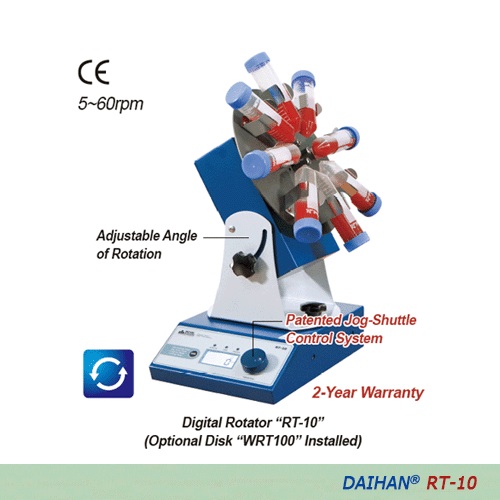
Why digital rotation matters in laboratory mixing
A digital rotator is designed to provide a stable rotating motion that helps maintain homogeneous mixtures without the aggressive agitation associated with other mixer types. This makes it suitable for protocols where sample integrity is important and where uneven settling can affect downstream analysis or preparation quality.
Compared with simpler rotating devices, digital control allows operators to set and monitor speed more precisely. That extra level of control is useful when the same process needs to be repeated across different batches, operators, or test conditions. For users comparing alternative mixing methods, it can also be helpful to review related equipment such as a roller mixer or a vortex mixer depending on sample type and required mixing intensity.
Typical applications for this category
Digital rotators are commonly selected for laboratories that need gentle, continuous mixing of tubes or small vessels during preparation, incubation support, or sample handling. They are often used when materials should remain suspended over time rather than being exposed to vigorous shaking.
Common use cases include blood tube rotation, reagent blending, mixing of diagnostic or research samples, and handling protocols that involve repeated low-speed rotation. Where elongated vessels or rolling motion are preferred, users may also compare this category with roller culture apparatus solutions for broader culture and incubation-related workflows.
Format flexibility: tubes, flasks, and interchangeable holders
One of the practical strengths of a digital rotator is its ability to support different vessel sizes through interchangeable accessories. Rather than using a one-format-only device, labs can adapt a single rotator platform to suit routine sample containers such as microtubes, conical tubes, or flasks.
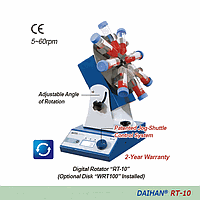
In this category, the accessory ecosystem shown by the listed products highlights that flexibility. Examples include the DaiHan DH.WRT00120 disk for 32 x 1.5 ml tubes, DH.WRT00110 for 16 x 15 ml tubes, DH.WRT00100 for 8 x 50 ml tubes, and DH.WRT00140 for 4 x 250 ml flasks. A mounting component such as the DH.WRT00300 post for installing disk with 4 knobs supports configuration changes, helping laboratories align the rotator with their actual vessel mix instead of forcing a single setup onto every task.
Representative equipment in this range
A key example in this category is the DaiHan DH.WRT00010 Rotator Digital, 5~60 rpm RT-10, 230V, along with the DH.WRT00020 120V version. These models illustrate the core purpose of the category: controlled rotational mixing with a defined digital speed range that can be matched to routine lab procedures.
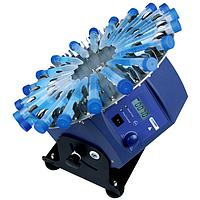
The available disks further show how the system can be tailored for volume and throughput. Smaller-format holders such as the DH.WRT00130 disk for 60 x 1.5 ml tubes support higher sample counts, while larger holders such as the 50 ml tube and 250 ml flask disks help extend the same platform into broader lab use. For buyers sourcing by brand preference, the DaiHan laboratory equipment range is a natural reference point within this category.
How to choose the right digital rotator setup
Selection should start with the vessel format you use most often. Tube diameter, vessel height, total number of positions, and whether you need to process microtubes or larger flasks all affect which disk or holder arrangement makes sense. Choosing the correct accessory first often simplifies the equipment decision.
Next, review operating speed, electrical supply, and workflow frequency. A unit in the 5~60 rpm range may be suitable for many general laboratory tasks, but the right setting depends on sample sensitivity and mixing goals. It is also worth considering whether your process benefits more from rotational motion, rolling motion, or another style of agitation, especially if your lab handles a wide variety of sample types.
Digital rotator vs. tube roller
Although these product groups are sometimes compared, they are not interchangeable in every application. A digital rotator uses rotational movement through a mounted holder or disk, which can be useful for secure positioning of specific vessel formats and for maintaining consistent motion under defined speed conditions.
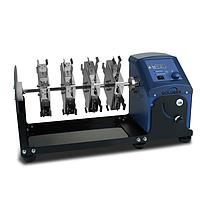
A tube roller, by contrast, is often chosen when vessels need to rest directly on rollers and rotate continuously along their own axis. One representative example from the broader mixing range is the DaiHan DH.MixR1070 LCD Digital Tube Roller, MixR-T6. The better choice depends on vessel geometry, throughput, desired motion pattern, and how standardized your holders need to be from one batch to another.
What to look for in daily laboratory use
Beyond basic speed control, laboratories often evaluate ease of loading, holder stability, cleaning practicality, and how quickly accessories can be changed between protocols. In shared labs, simple operation and clear configuration can reduce setup errors and improve repeatability across different users.
It is also useful to think about future flexibility. A rotator platform that supports multiple disk types can be a practical option for laboratories that expect changing sample formats over time. That makes this category relevant not only for immediate procurement needs, but also for labs building a more adaptable sample preparation workflow.
Finding the right fit for your workflow
This category is best suited to laboratories that need reliable, gentle rotational mixing with more control than basic non-digital devices can offer. The available DaiHan models and accessories demonstrate how a single rotator platform can be configured for different tube counts and vessel sizes, from 1.5 ml tubes up to larger flasks.
When comparing options, focus on your actual sample containers, required rpm range, electrical compatibility, and whether accessory interchangeability will improve long-term usability. A well-matched digital rotator setup can make routine mixing more consistent, more repeatable, and easier to standardize across daily lab work.
Get exclusive volume discounts, bulk pricing updates, and new product alerts delivered directly to your inbox.
By subscribing, you agree to our Terms of Service and Privacy Policy.
Direct access to our certified experts