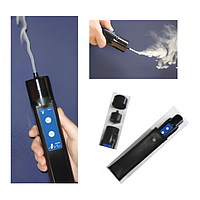
Smoke sensor tester
Reliable fire detection depends not only on installing the right devices, but also on verifying that they respond correctly under real operating conditions. A smoke sensor tester helps maintenance teams, facility managers, and fire protection professionals check detector response safely and consistently, whether the application involves point smoke detectors, duct detectors in HVAC systems, or related alarm devices within a fire system.
On this page, you can explore equipment and supporting devices used around smoke detection and alarm verification, with examples from manufacturers such as Dwyer, Hochiki, NOHMI, and DEMCO. The goal is not simply to trigger an alarm, but to support practical inspection, commissioning, and routine maintenance work in commercial, industrial, and building safety environments.

Why smoke detector testing matters in practice
In real facilities, smoke detection devices are exposed to dust, airflow variation, humidity, wiring issues, and normal aging over time. Even when a detector appears intact, its response may no longer match the expected operating condition. That is why functional testing is an important part of preventive maintenance for fire alarm systems.
For building operators, regular testing supports compliance routines and reduces the risk of undetected faults. For service teams, it helps distinguish between a sensor issue, a communication issue, or a problem elsewhere in the fire alarm loop. In HVAC applications, the task is especially important because duct detectors are often tied to fan shutdown and smoke control logic.
Typical equipment found in this category
This category covers more than one product format. Some items are directly related to smoke sensing and test workflows, while others are associated devices within the same fire detection ecosystem. For example, duct smoke detectors such as the Dwyer SL-53546-021K and Dwyer SL-2000-P are used to detect smoke in air handling systems, where timely response can trigger alarms and deactivate fans.
There are also standalone and addressable detector types that illustrate different installation environments. The DEMCO D-243-6 standalone smoke detector is suited to self-contained use cases, while the NOHMI FDKU033-D multi-criteria analog addressable smoke detector represents a more integrated approach for monitored fire systems. In hazardous or specialized areas, devices such as the Hochiki SOC-E-IS show how smoke detection may be adapted for demanding installation conditions.
Understanding the difference between detection and testing tools
One common source of confusion is the difference between a smoke detector and a smoke detector tester. A detector is the field device that senses smoke and sends an alarm or status signal. A tester, by contrast, is the tool or method used to confirm that the detector can respond as intended during inspection or maintenance.
In some maintenance workflows, technicians also use supporting configuration or service tools. For example, the Hochiki TCH-B200 hand-held programmer is not a smoke generator, but it is relevant in service environments where detector setup, checking, or commissioning is required. This distinction matters because a complete testing process may involve more than one device: the detector itself, the test method, and sometimes the programming or alarm notification components around it.
Key selection factors for a smoke sensor tester setup
Choosing the right solution depends on the detector type, the installation environment, and the maintenance objective. A simple standalone detector does not present the same service requirements as an addressable smoke detector in a large building management system. Likewise, duct-mounted devices in HVAC systems need testing methods that reflect air movement and installed conditions.
When evaluating products in this category, buyers usually look at factors such as sensor technology, supply voltage, environmental range, mounting context, and compatibility with the installed fire alarm architecture. For instance, the Dwyer duct detector models listed here are designed for airflow-related applications, while the NOHMI FDKU033-D is oriented toward addressable system integration. In other cases, alarm accessories such as the NOHMI FMBJ001 fire alarm bell or NOHMI NEC3-24WR strobe horn are relevant because proper testing often includes verification of downstream notification devices as well.
Applications across buildings, HVAC, and industrial sites
Smoke testing is used in a wide range of environments, from office buildings and warehouses to hospitals, factories, and utility facilities. In general building applications, the focus is often on confirming alarm response, device communication, and routine inspection intervals. In HVAC systems, duct detectors are especially important because they help prevent smoke distribution through ventilation paths.
Industrial sites may require a broader fire detection strategy that includes smoke, heat, and flame technologies. That is why some product ranges overlap with related solutions such as the NOHMI FDLU019-D-X fixed temperature heat detector or flame detection products from Sensidyne. While these are not smoke testers, they show the wider context in which smoke detector testing is often planned: as part of a complete fire detection and alarm maintenance program.
Examples of products in the category ecosystem
Several products in this category help illustrate the range of use cases. The Dwyer SL-53546-021K is a photoelectric duct smoke detector intended for HVAC-related smoke monitoring, while the Dwyer SL-2000-P offers a duct detector option with photoelectric or ionization sensing. These are relevant when smoke detection is tied to air handling shutdown or building smoke control logic.
For conventional self-contained coverage, the DEMCO D-243-6 standalone smoke detector is a straightforward example. In more advanced fire alarm networks, the NOHMI FDKU033-D provides a multi-criteria addressable approach, and accessories such as the NOHMI FMBN102-U fire alarm box or NEC3-24WR strobe horn support alarm signaling and manual interaction within the same protection scheme. Looking at these examples together helps buyers understand how testing fits into the larger system rather than viewing the detector as an isolated device.
What to consider before ordering
Before selecting a product from this category, it is useful to confirm the installed detector type, panel architecture, and site maintenance procedure. A buyer should know whether the system uses standalone, conventional, addressable, or duct-mounted devices, and whether the task involves routine inspection, replacement, commissioning, or troubleshooting after a fault event.
It is also worth checking whether the site requires support for smoke-only detection or a combination of smoke, heat, and alarm notification devices. Reviewing manufacturer-specific options from NOHMI or Dwyer can help narrow the shortlist based on application. In technical B2B environments, the best choice is usually the one that fits the actual installed system and maintenance process, rather than the one with the longest feature list.
Final thoughts
A well-planned smoke testing routine improves confidence in fire detection performance and makes maintenance work more predictable. Whether you are working with duct detectors, standalone smoke detectors, addressable devices, or supporting alarm components, the right category selection starts with understanding how the detector is used in the field.
This collection is intended to support that process by bringing together smoke-related detection products and associated fire system devices from recognized manufacturers. If you are comparing options for inspection, commissioning, or replacement, focus on application fit, system compatibility, and maintenance practicality to choose the most suitable solution.
Get exclusive volume discounts, bulk pricing updates, and new product alerts delivered directly to your inbox.
By subscribing, you agree to our Terms of Service and Privacy Policy.
Direct access to our certified experts