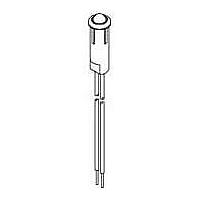
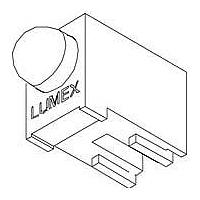
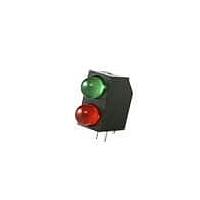
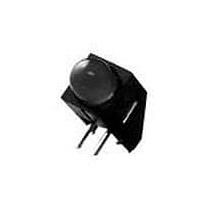
LED Bulbs & Modules
Choosing the right light source for an industrial or commercial design often starts with more than brightness alone. Form factor, drive method, mounting approach, control compatibility, and the surrounding mechanical and optical components all influence how a lighting system performs in real use. This is why LED Bulbs & Modules remain a central category for engineers, panel builders, equipment manufacturers, and maintenance teams looking for practical, scalable lighting solutions.
Within this category, buyers typically compare complete fixtures, modular light elements, indication devices, and supporting parts used to integrate LED technology into machines, enclosures, signaling points, or general lighting assemblies. Whether the goal is replacement, new design, or subsystem integration, this range supports both standalone use and broader LED system development.
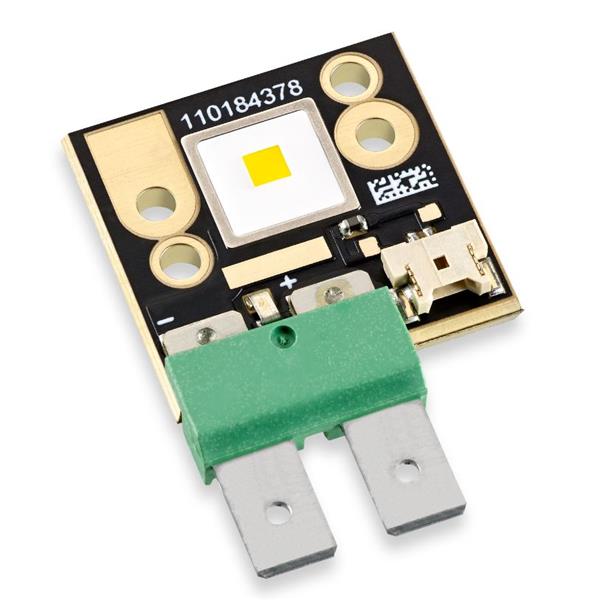
Where LED bulbs and modules fit in a lighting system
In practice, this category sits between the raw semiconductor light source and the finished application. Some products are ready-to-use lighting fixtures, while others function as integration components that need drivers, connectors, housings, optics, or mounting hardware. That makes the category relevant not only for replacement purchasing, but also for design and assembly work across OEM and MRO environments.
For projects that require a more complete ecosystem, it is often useful to review related areas such as LED lighting electronics for control and power stages, or LED lighting optics when beam shaping and light distribution are critical.
Typical product roles inside this category
The category can include finished fixture-style products, modular lighting elements, and accessory-level parts that support installation or system completion. This distinction matters because the selection criteria for a finished luminaire are different from the criteria for a module or a supporting component. Buyers should first confirm whether they need a complete light-emitting assembly or a part intended to work inside a larger design.
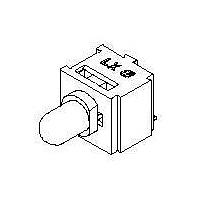
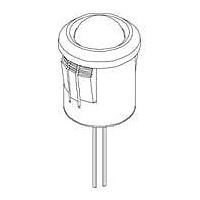
For example, products such as ams OSRAM DALI-MCU-TW-G2 Lighting Fixtures, ams OSRAM 5626 Lighting Fixtures, and ams OSRAM 6429 Lighting Fixtures represent fixture-oriented options suited to lighting assemblies and controlled installations. By contrast, parts such as Amphenol FLB-P77-011 LED Accessories or Eaton NO.232, NO.233, and NO.234 LED Accessories are better understood as supporting hardware and integration accessories rather than standalone light sources.
Selection factors that matter for technical buyers
A good shortlist usually starts with the application: indication, area lighting, machine lighting, cabinet illumination, retrofit, or a custom embedded design. From there, decision-making typically moves to electrical compatibility, physical dimensions, thermal considerations, and control requirements. In modular LED design, it is rarely enough to match only size or nominal function.
Control interface is especially important in installations where dimming, tunable white, or centralized building control are needed. A product such as the ams OSRAM DALI-MCU-TW-G2 Lighting Fixtures is relevant in this context because the naming indicates a DALI-oriented solution, which may suit controlled lighting environments. For systems that depend on a dedicated power stage, accessory and driver-related items such as the ams OSRAM OT-FIT-35/220-240/700-CS-L should be evaluated as part of the total system rather than in isolation.
Mechanical integration also plays a major role. Connector selection, mounting method, space constraints, and environmental exposure can all affect long-term reliability. If your design depends heavily on mounting frames, holders, covers, or enclosure compatibility, it may also help to compare options in LED lighting mechanical products.
Examples from leading manufacturers
This category brings together products from established names used across electronics and industrial supply chains. ams OSRAM is particularly relevant for fixture and accessory-related lighting components in this selection, while Amphenol and Eaton appear in accessory roles that support broader assembly and connection needs. Finder also contributes accessory-oriented products that may be useful in control-linked lighting setups.
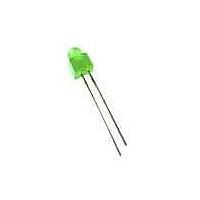
On the component side, Broadcom ASMT-JG31-NTU01 Uni-Color shows how some items are closer to the indicator and discrete LED end of the spectrum. Based on the available context, this product is a green uni-color LED device, making it more appropriate for indication or embedded visual signaling than for fixture-style illumination. That kind of distinction helps buyers avoid comparing fundamentally different product types as if they served the same design purpose.
How to evaluate fixtures, modules, and accessories together
One of the most common sourcing challenges is treating the light source as the whole solution. In reality, many LED projects require buyers to assess the complete chain: emitter or module, driver electronics, connection hardware, thermal path, optics, and enclosure compatibility. Even when a fixture looks complete, control method and installation requirements still need verification.
A practical approach is to separate products into three groups: light-generating units, electrical/control support, and mounting or interconnection accessories. This makes it easier to compare whether a part is intended to emit light directly, regulate operation, or simply enable installation. If you are working from the semiconductor end rather than fixture assemblies, reviewing the broader LEDs category can help clarify the difference between discrete emitters and higher-level lighting modules.
Common application scenarios
LED bulbs and modules are used across many technical environments, including equipment indicators, machine status displays, architectural control lighting, cabinet illumination, and integrated OEM assemblies. In maintenance settings, buyers may look for compatible fixture replacements or accessory parts to restore existing installations. In product development, engineers are more likely to compare modular building blocks that can be combined into a tailored lighting subsystem.
This category is also relevant when a project needs a balance between energy-efficient lighting and compact integration. For example, a fixture product may suit a ready-to-install application, while a uni-color LED component may be the better fit for a board-level status indication design. Understanding that application context is often the fastest way to narrow the range without over-filtering too early.
Making a better shortlist
When comparing options, start by confirming the role of the product in your system, then check whether control, power, and mechanical requirements are already covered elsewhere in the design. Accessory parts should be reviewed for compatibility with the intended fixture or module, while fixture products should be checked for how they will be powered, controlled, and mounted. This avoids mismatches that only become visible during installation or commissioning.
For buyers managing multiple lighting-related line items, it is usually more efficient to treat LED Bulbs & Modules as part of a connected product family rather than as an isolated list of parts. Looking at fixtures, modules, accessories, and adjacent lighting categories together can simplify selection and improve design consistency. With that approach, this category becomes a practical starting point for both replacement sourcing and structured LED system development.
Get exclusive volume discounts, bulk pricing updates, and new product alerts delivered directly to your inbox.
By subscribing, you agree to our Terms of Service and Privacy Policy.
Direct access to our certified experts