VFD Drivers
When a design uses vacuum fluorescent displays, the driver stage has to do more than switch segments on and off. It must handle the voltage demands of the display, support stable serial control, and fit into a broader embedded system without adding unnecessary complexity. That is why selecting the right VFD Drivers matters in industrial equipment, instrumentation panels, consumer interfaces, and legacy display refresh projects.
This category focuses on driver ICs used to control VFD segments and grids with reliable serial interfacing and high-voltage output capability. For engineers comparing display interface options, these devices sit within the broader landscape of display controllers and drivers, but they serve a more specific role where VFD technology is still preferred for brightness, viewing angle, and distinctive visual performance.
Where VFD driver ICs fit in a display design
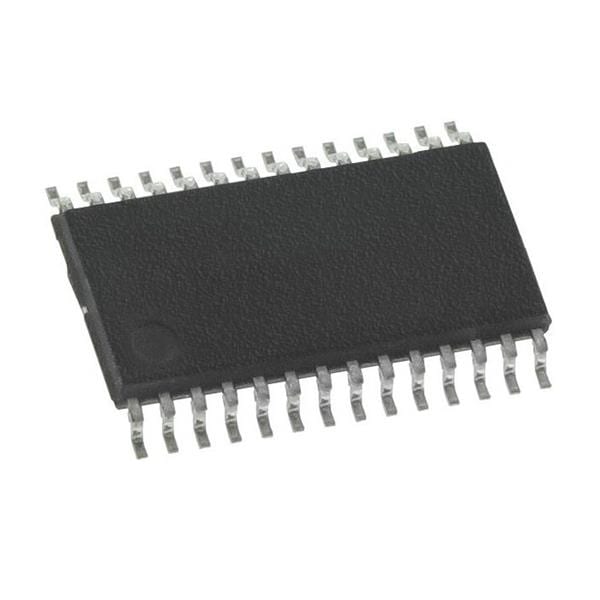
A VFD driver is used to interface low-voltage logic from a microcontroller or control board with the higher-voltage switching needed by a vacuum fluorescent display. In practical terms, it helps simplify the connection between a serial control source and multiple display outputs, reducing pin count while maintaining organized control over segments, digits, or symbols.
Compared with solutions aimed at other display technologies, VFD-specific drivers are built around the electrical behavior of vacuum fluorescent displays. If your project instead uses glass character or segmented liquid crystal modules, a dedicated LCD driver may be the more suitable path, while VFD designs typically require higher-voltage output structures and a different drive approach.
Typical features engineers look for
In this category, many parts are built for serial-interfaced control, which is useful when the available MCU I/O budget is limited. A serial architecture can simplify routing, improve board organization, and make it easier to scale from basic numeric displays to more complex front panels with multiple annunciators or symbols.
Another key point is high-voltage output capability. Several listed devices support output structures up to 76 V and provide multiple outputs for segment and grid control. Depending on the design, engineers may prioritize output count, clock speed, package style, operating temperature range, or qualification requirements for more demanding environments.
Examples available in this category
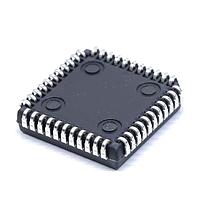
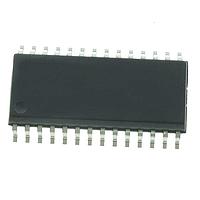
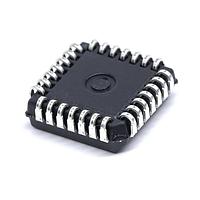
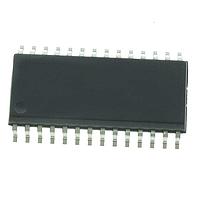
This range includes well-known options from Analog Devices, including parts such as the MAX6921AUI+, MAX6921AQI+, MAX6921AWI+, and MAX6934AQH+D. These examples illustrate common selection points within the category, such as 20-output or 32-output configurations, 4-wire serial interfacing, SMD/SMT mounting, and operating temperature support extending from -40 C to +125 C on several models.
There are also related devices from Maxim Integrated, such as the MAX6922AQH+D and MAX6922AQH+TD. These parts are relevant for designs that need larger output counts for more complex display layouts. In all cases, the exact choice depends on the number of display elements, available supply rails, communication method, and thermal or environmental requirements of the final product.
How to choose the right VFD driver
Start with the number of outputs your display actually needs. A simpler panel may work with a 20-output device, while larger or more segmented displays may require a 27-, 28-, or 32-output option. Matching output count closely to the display architecture helps avoid overdesign and can simplify firmware mapping.
Next, check the interface and supply conditions. Many devices in this category use a 4-wire or serial interface and support logic supplies in the low-voltage range while handling much higher display-side voltages. It is also important to verify package format, mounting style, and operating temperature if the system is intended for industrial control cabinets, automotive-adjacent electronics, or continuously operating equipment.
Application context for industrial and embedded systems
VFD driver ICs are often considered in equipment where display readability and a familiar front-panel appearance remain important. This can include measurement instruments, control terminals, appliance interfaces, audio equipment, and embedded systems that continue to use vacuum fluorescent displays for their bright and easily readable output.
For buyers working across different display technologies, it can also help to compare neighboring categories. For example, projects based on illuminated numeric signage may be better aligned with LED display drivers, while VFD driver ICs remain the right fit when the target hardware is specifically a vacuum fluorescent display.
Why output count, package, and temperature range matter
Even when two parts look similar at first glance, small differences can affect integration effort. Output count determines whether one IC is enough for the display or whether additional devices and more complex control logic will be required. Package choice affects PCB density, assembly flow, and rework considerations, especially in compact control boards.
Temperature range is equally important in B2B applications. Devices in this category include options specified for operation up to +125 C and down to -40 C on several models, which can be relevant in enclosed systems, outdoor cabinets, or equipment exposed to thermal cycling. Some variants also show automotive-oriented qualification, which may matter for projects with stricter validation needs.
Browsing this category efficiently
When narrowing down options, it helps to compare a short list based on four practical filters: output count, interface style, supply voltage compatibility, and package. From there, you can review detailed product pages to confirm whether a part like the MAX6921 family or MAX6922/MAX6934 options aligns with your display topology and board constraints.
If your design spans multiple light-emitting or display technologies, this category can also be reviewed alongside related driver families without mixing use cases. Keeping the display technology, electrical requirements, and control method aligned from the start usually leads to a faster component selection process and fewer redesign issues later.
Final considerations
Choosing a VFD driver is mainly about matching the IC to the electrical and architectural needs of the display rather than selecting by part number alone. Output structure, serial interface behavior, voltage range, package style, and environmental suitability all play a role in long-term reliability and integration effort.
This category is designed to help engineers and technical buyers compare suitable VFD driver ICs from established suppliers for embedded and industrial display applications. If you already know your display format and control method, you can move quickly from category browsing to product-level evaluation with far more confidence.
Get exclusive volume discounts, bulk pricing updates, and new product alerts delivered directly to your inbox.
By subscribing, you agree to our Terms of Service and Privacy Policy.
Direct access to our certified experts