Power Connectors
Reliable power delivery starts with the right interconnect. In industrial equipment, embedded systems, control panels, mobile machinery, and field wiring, the connector is not just a mechanical interface—it affects current transfer, assembly speed, serviceability, and long-term system uptime. Choosing the right solution depends on how power is routed, how often the connection is handled, and the conditions the equipment will face in operation.
Power Connectors in this category support a wide range of electrical connection needs, from compact device-level power interfaces to more rugged wire-to-wire and heavy-duty connection points. For buyers, engineers, and maintenance teams, the goal is usually practical: find a connector family that matches the electrical load, wiring method, physical environment, and installation constraints without overcomplicating the design.
Where power connectors are commonly used
Power connectors appear in many types of equipment where electrical energy must be transferred safely and consistently between subsystems. Typical use cases include power input stages, cable-to-equipment interfaces, battery-connected assemblies, distribution points inside enclosures, and field-replaceable wiring harnesses. In many designs, they are selected not only for electrical performance but also for ease of mating, maintenance access, and protection against misconnection.
In industrial and commercial applications, connector choice is often influenced by vibration, repeated mating cycles, outdoor exposure, or the need for fast service replacement. Some systems rely on discrete wire housings for structured wiring layouts, while others require dedicated power connector formats optimized for current handling and robust locking. When the broader wiring solution matters, related categories such as cable assemblies can also help streamline installation.
How to evaluate connector type for a power application
A useful starting point is to separate the application into a few decisions: wire-to-wire or wire-to-device connection, panel-accessible or internal use, and general-purpose or ruggedized environment. That helps narrow whether a design should use a compact power interface, a discrete wire housing as part of a complete connector system, or a heavier-duty format intended for demanding electrical and mechanical conditions.
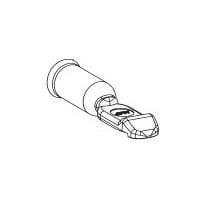
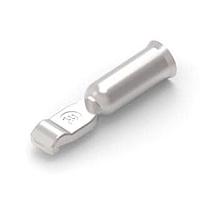
Engineers also look at conductor size, mating frequency, available space, and whether contacts will be assembled in the field or in production. For some projects, the connector housing is only one part of the selection process, and the matching contacts are just as important for completing the interconnect system correctly. This is especially relevant in modular designs where repairability and part replacement are part of the maintenance strategy.
Discrete wire housings and dedicated power connector formats
This category includes solutions that serve different roles in a power distribution ecosystem. Discrete wire housings are commonly used when individual conductors need to be organized into a secure connector body that works with compatible terminals and seals, depending on the system design. They are often chosen for harness-based applications, machine wiring, transportation equipment, and environments where structured cable routing is essential.
Dedicated power connector products are typically used where the primary requirement is efficient power transfer through a connector interface designed around current-carrying performance and reliable mating. In practice, many systems combine both approaches: housings for customizable cable-side terminations and power connector interfaces for equipment connection. This makes category-level comparison especially useful for teams designing around serviceability, load requirements, and installation workflow.
Representative products in this category
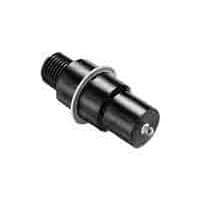
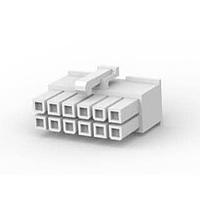
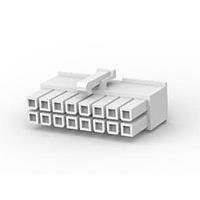
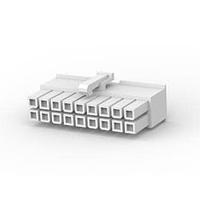
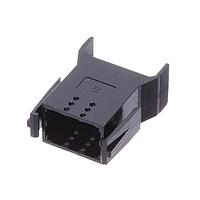
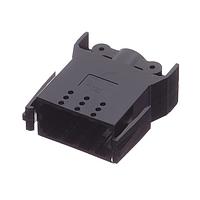
Several featured items help illustrate the range available. The Amphenol AT06-4S-SR02WHT Connector Discrete Wire Housing and Amphenol AT04-08PC-L012 Connector Discrete Wire Housing represent housing-style options often associated with organized cable terminations and structured wiring. Products such as the Amphenol ARC12-70PA Connector Discrete Wire Housing or Amphenol ATHD06-1-8S-E003 Connector Discrete Wire Housing point to applications where mechanical robustness and dependable wire interface design are important selection factors.
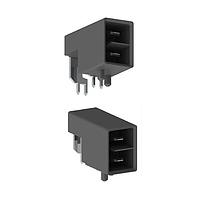
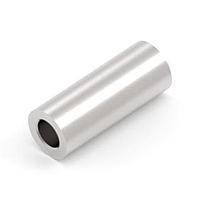
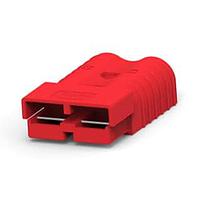
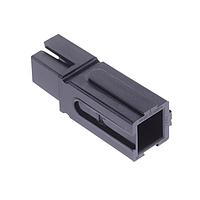
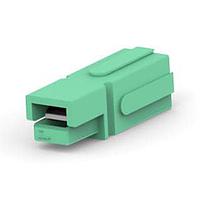
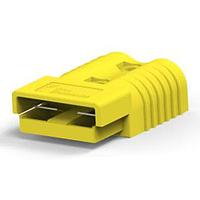
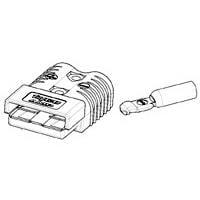
On the dedicated power side, the Amphenol SLPRBTNNR Connector Power, Amphenol SLPRATPSO Connector Power, and Amphenol SLPIRC85CPNO1 Connector Power show how specialized connector formats can fit applications centered on power transfer rather than signal routing. These examples do not define the entire category, but they show the practical mix of connector bodies and power-specific interfaces that engineers may compare during design-in or replacement sourcing.
Brands and ecosystem considerations
Amphenol is one of the key names represented among the featured products in this category, with multiple connector styles that support power-oriented wiring needs across different equipment types. Depending on the application, buyers may also review product ecosystems from manufacturers such as 3M, AMP Connectors - TE Connectivity, or Amphenol FCI when connector compatibility, sourcing continuity, or preferred platform standards are part of the decision process.
Brand selection in B2B procurement is rarely only about recognition. It usually reflects broader requirements such as mating system availability, consistency across multiple builds, supply planning, and ease of integration into existing harness or panel designs. For teams standardizing on a connector platform across several projects, it can be useful to compare category options together with manufacturer-level availability and related interconnect formats.
Practical selection points before ordering
Before choosing a connector, confirm the basic electrical and mechanical fit: expected current path, wire entry method, number of positions needed, and whether the assembly will be mated in a protected enclosure or a harsher field environment. It is also worth reviewing whether the connector will be installed once and left in place, or disconnected regularly during service. These factors affect which product family is the better long-term fit.
Where application requirements extend beyond standard power interfaces, adjacent connector categories may be relevant. For example, high-voltage test or specialized connection tasks may lead some users to review LGH connectors, while bench and lab setups may call for banana and tip connectors. Looking at these related categories can help clarify whether a design truly needs a general power connector or a more specialized interconnect format.
Finding the right fit for industrial and commercial systems
Power interconnect selection works best when it is tied to the real operating context of the equipment. A connector that performs well in a sealed machine enclosure may not be ideal for a serviceable field harness, and a compact housing may not match applications that require a more purpose-built power interface. Reviewing connector style, wiring method, and system architecture together usually leads to better results than choosing by part appearance alone.
This category is designed to support that comparison process. Whether you are sourcing replacement parts, standardizing a harness design, or evaluating connector options for a new build, these power connection solutions can help you align electrical transfer, assembly requirements, and maintenance practicality in a more structured way.
Get exclusive volume discounts, bulk pricing updates, and new product alerts delivered directly to your inbox.
By subscribing, you agree to our Terms of Service and Privacy Policy.
Direct access to our certified experts