Electro-mechanical Monitoring & Testing Solution
Reliable testing in electro-mechanical systems depends on more than a single instrument. Engineers often need a practical combination of measurement, monitoring, and validation tools to understand motion, alignment, mechanical response, and optical behavior within a broader test setup. That is where an electro-mechanical monitoring and testing solution becomes valuable, especially in laboratories, automation environments, R&D facilities, and precision manufacturing lines.
This category is intended for users who are building or expanding test systems that involve moving parts, positioning stages, beam analysis, and performance verification. Rather than treating each device as an isolated purchase, it helps to view the equipment as part of a connected workflow: capture the signal, monitor the response, evaluate system quality, and refine the setup based on measured results.
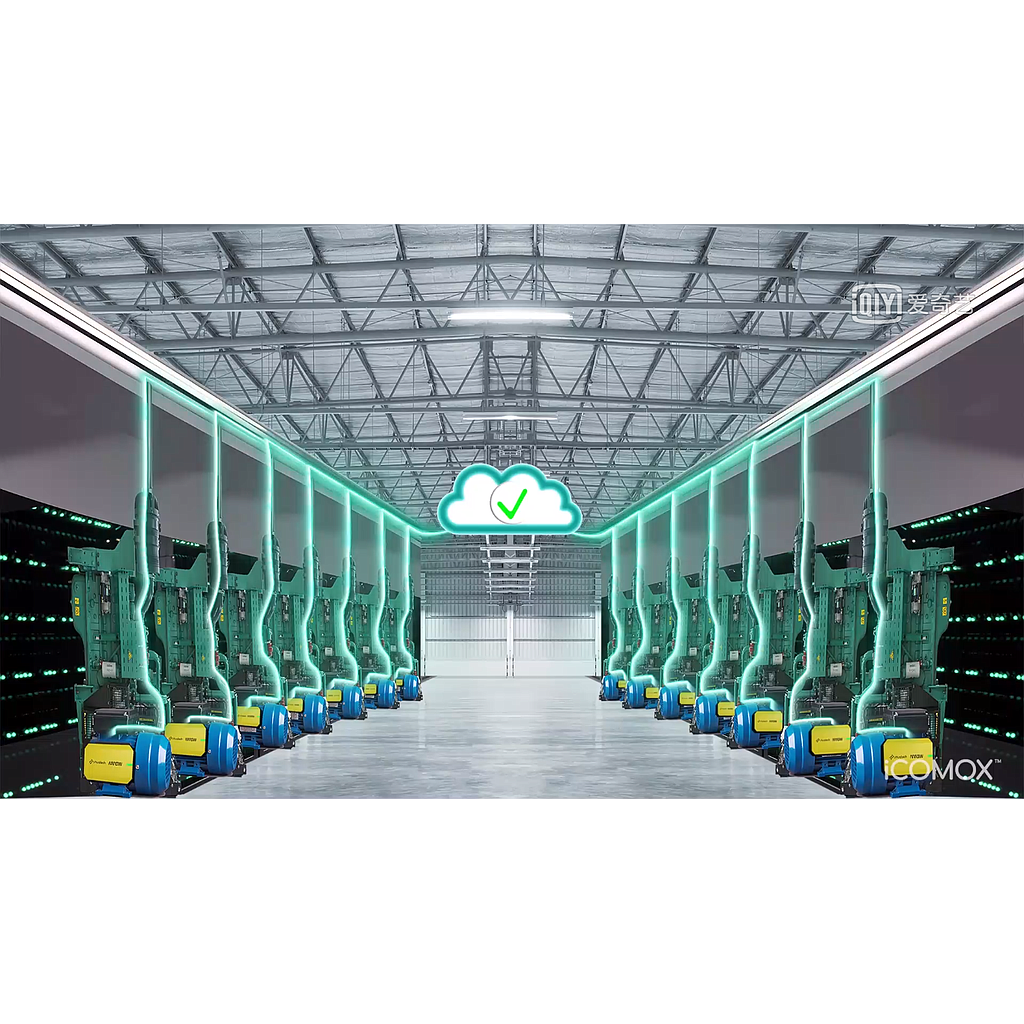
Where electro-mechanical testing is typically used
Electro-mechanical applications span a wide range of use cases, from motion systems and actuator evaluation to opto-mechanical assemblies and precision alignment tasks. In many projects, engineers must confirm whether a system moves as intended, maintains repeatability, and delivers stable output under real operating conditions.
This is especially relevant when mechanical positioning influences electrical or optical performance. A well-designed test arrangement can help identify drift, alignment error, variation in beam quality, or dynamic behavior that may not be obvious during basic functional checks. For organizations working across related disciplines, it can also be useful to compare this area with broader electric and electronic testing applications when a project includes both mechanical and electronic validation.
Why system-level measurement matters
Many electro-mechanical issues appear only when components are evaluated together. A stage may move correctly on its own, yet the full assembly may still show instability once optics, sensors, or fixtures are added. For that reason, system-level measurement is often more meaningful than checking isolated specifications.
Monitoring tools in this category support the process of observing how a device behaves across position, time, and operating conditions. This may include verifying beam propagation characteristics in a mechatronic optical setup, checking consistency during repeated motion cycles, or assessing whether a change in alignment affects downstream performance. In environments that also involve temperature or ambient variation, related environment testing and monitoring solutions may complement the electro-mechanical workflow.
Example instruments for beam-related electro-mechanical evaluation
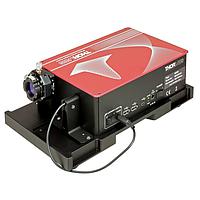
Some electro-mechanical test benches include optical components, scanning mechanisms, or precision positioning systems where beam characterization is an important part of performance verification. In such cases, tools for M² measurement help engineers understand beam quality, propagation, and divergence in relation to the mechanical arrangement.
Representative products in this category include the THORLABS M2MS M² Measurement Extension Sets (400-2700 nm) and the THORLABS M2MS-AL M² Measurement Extension Sets (250-600 nm). These extension sets are designed for use with compatible beam profilers and support measurement across different wavelength ranges, making them relevant for setups that combine optical inspection with controlled translation or alignment. Their role is not simply to capture a beam image, but to help characterize how the beam behaves through the measurement region so that optical quality can be evaluated within the larger electro-mechanical system.
For teams already standardizing around THORLABS, this can simplify integration within laboratory and development environments where optical and mechanical components need to work together. The practical value is in connecting measurement data to engineering decisions, such as tuning alignment, comparing configurations, or validating assembly performance before deployment.
How to choose the right solution for your setup
Selection should begin with the actual testing objective. Some users need continuous monitoring during operation, while others need periodic validation during development, maintenance, or incoming inspection. The correct choice depends on what must be measured, how quickly results are needed, and whether the setup involves static alignment, dynamic movement, or repeated test cycles.
It is also important to consider the wider test architecture. Questions such as wavelength range, compatibility with existing measurement heads, mechanical travel, required accuracy, and integration with current fixtures or software can all affect suitability. In electro-mechanical work, small mechanical differences can produce large changes in measured output, so compatibility and measurement context matter just as much as core instrument capability.
Integration within broader inspection and monitoring workflows
Electro-mechanical testing rarely stands alone in industrial or research environments. It is commonly part of a broader inspection strategy that may include electrical verification, process monitoring, environmental checks, and final quality confirmation. When equipment is chosen with that broader workflow in mind, the result is usually a more efficient and more repeatable test process.
This is particularly useful for organizations that support multiple product lines or multidisciplinary engineering teams. A shared measurement approach makes it easier to compare test data, standardize procedures, and reduce setup variation between projects. It also helps when scaling from prototype evaluation to production support, where repeatability and documentation become more important.
What buyers and engineers should evaluate before ordering
Before selecting a product from this category, it is useful to review the test scenario in practical terms. Consider the type of device under test, the expected operating range, the physical layout of the station, and whether the measurement will be used for troubleshooting, qualification, or routine monitoring. These factors often determine whether a compact accessory, a dedicated measurement module, or a more complete integrated system is the better fit.
Procurement teams should also align with engineering on compatibility requirements early in the process. This includes checking supported accessories, installation constraints, and whether the selected equipment can adapt as the application evolves. A good electro-mechanical monitoring solution should not only solve the immediate measurement task, but also fit naturally into the long-term testing workflow.
Supporting more consistent electro-mechanical validation
Choosing equipment for electro-mechanical monitoring and testing is ultimately about improving confidence in how a system performs under real conditions. Whether the task involves motion verification, alignment control, or beam-related analysis within a precision assembly, the right measurement tools help turn complex behavior into usable engineering data.
By focusing on application fit, compatibility, and the role of each device within the full test process, buyers can build a more effective solution for development, inspection, and operational monitoring. This category is best approached as a practical resource for assembling that workflow, not just as a list of standalone products.
Get exclusive volume discounts, bulk pricing updates, and new product alerts delivered directly to your inbox.
By subscribing, you agree to our Terms of Service and Privacy Policy.
Direct access to our certified experts