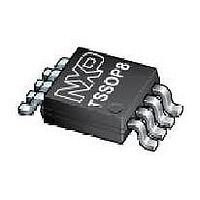
Board Mount Temperature Sensors
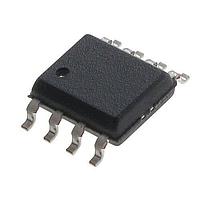
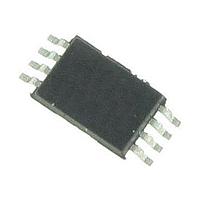
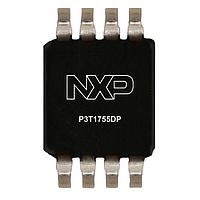
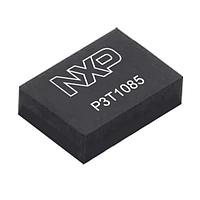
Accurate temperature feedback is essential in embedded electronics, power management, industrial control, and connected devices. When the sensing element needs to live directly on the PCB or close to critical components, Board Mount Temperature Sensors provide a practical way to monitor thermal conditions with fast response, compact integration, and straightforward signal handling.
On this page, buyers and design engineers can explore board-level temperature sensing options for different measurement and control strategies. Depending on the application, that may mean choosing between local sensing on the board, remote sensing near a hot spot, analog output for simple conditioning, or digital communication for tighter system-level monitoring.
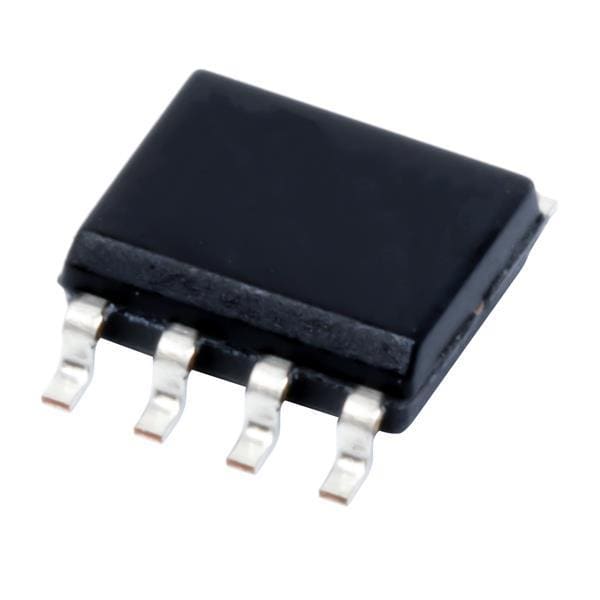
Where board mount temperature sensors fit in modern designs
Board-mounted sensors are commonly used wherever thermal visibility is needed inside electronic equipment without adding bulky external probes. Typical use cases include monitoring processors, power stages, communication modules, battery systems, motor drives, and compact control boards where temperature directly affects performance, reliability, or safety margins.
Compared with larger external assemblies, these sensors are well suited for space-constrained layouts and automated production. They are especially useful when designers need a repeatable, production-friendly method to detect thermal drift, trigger alarms, compensate measurements, or manage fan and shutdown behavior within the control electronics.
Common sensing approaches and output types
A key selection point is how the temperature data is delivered to the rest of the system. Some devices provide an analog output, which can be convenient for simple control loops or direct input to an ADC. Examples in this category include parts such as the Analog Devices AD22100ARZ-R7 and AD22100SRZ-REEL7, both intended for local temperature measurement with voltage output behavior.
Other designs benefit from a digital temperature sensor, especially when noise immunity, resolution, configurability, or bus-based communication matters. The Analog Devices MAX6648MUA+ supports remote/local monitoring with SMBus-compatible communication, while the Analog Devices ADT7311WTRZ-RL7 offers SPI connectivity and is suitable for applications that need precise digital data handling in embedded systems.
For applications built around resistive sensing behavior or compact mounted probe formats, it may also be helpful to review related options such as thermistor sensors when comparing response characteristics and integration methods.
How to evaluate the right sensor for your application
The most suitable part usually depends on where the heat is generated and what action the system needs to take with the reading. If the goal is to monitor general PCB temperature, a local board sensor may be enough. If the critical point is a processor, power transistor, or another concentrated heat source, remote or hotspot-oriented sensing can offer more meaningful thermal data.
Engineers should also consider interface compatibility, voltage range, mounting constraints, and required operating temperature. In some systems, programmable thresholds and alert functions simplify thermal protection logic. In others, low supply current or automotive-oriented qualification may take priority over communication features.
Where the installation environment is harsher or the sensing point is not directly on the PCB, broader alternatives such as industrial temperature sensors may be more appropriate than a strictly board-level solution.
Examples from leading manufacturers in this category
This category includes solutions from recognized suppliers such as Amphenol and Analog Devices. Their products illustrate the range of board-mount sensing strategies available, from compact mounted sensor assemblies to semiconductor-based local and digital monitoring devices for embedded electronics.
Amphenol models such as JS8741A, JS8741B, JS8741C, JC103C3R5/20, JC103C3R5/F, JC103C3R5/17, JC103C3R5/13, and JC502C3R5/17 show how clamp-mount style temperature sensors can support placement close to the point of interest. These are relevant when the sensing method needs a secure physical attachment within the equipment rather than relying only on semiconductor junction measurement on the PCB.
Analog Devices products in this listing demonstrate another common path: integrated board-level sensors with analog or digital outputs. That makes them useful in control boards, power electronics, and embedded monitoring systems where the sensor output must feed a microcontroller, ADC, or supervisory device with minimal external circuitry.
Choosing between local, remote, and mounted sensing styles
Not every thermal problem should be solved the same way. A local IC sensor is often the simplest choice for ambient board temperature or enclosure-level thermal awareness. A remote/local device can improve visibility when one sensor must compare PCB conditions with a separate hotspot. A clamp-mount or attached sensor may make more sense when physical contact with a component or surface is needed.
The decision should reflect the actual thermal path in the equipment. If heat is conducted through a housing, heatsink, or cable-connected assembly, a physically mounted sensor may track reality better than a sensor placed elsewhere on the board. On the other hand, if the design already includes digital control and bus management, an integrated board sensor can reduce complexity and simplify data acquisition.
For applications standardized around thermocouple-based measurement, a dedicated K-type temperature sensor may be worth comparing when wider temperature ranges or specific industrial measurement methods are required.
What buyers typically look for on a category page like this
B2B buyers often need more than a part number match. They are comparing package style, sensing method, electrical interface, environmental fit, and how easily the sensor can be integrated into existing hardware. For maintenance and purchasing teams, long-term availability and compatibility with the target assembly process are just as important as the measurement principle itself.
Design teams, meanwhile, usually focus on whether the sensor supports the control architecture already in place. That includes checking if the signal is analog or digital, whether the device is intended for local or remote measurement, and whether the operating range aligns with the expected thermal envelope of the product.
Find a board-level sensing option that matches the system architecture
A well-chosen temperature sensor helps protect components, stabilize performance, and improve diagnostic visibility across the full lifecycle of an electronic product. Whether the requirement is a simple analog output device, a digital interface for embedded monitoring, or a mounted sensor that can be placed close to a thermal source, this category brings together relevant options for board-oriented temperature measurement.
Use the available product filters and example models on this page to narrow the selection based on interface, installation style, and sensing approach. That makes it easier to shortlist the right board mount temperature sensor for new designs, redesigns, or replacement sourcing in production environments.
Get exclusive volume discounts, bulk pricing updates, and new product alerts delivered directly to your inbox.
By subscribing, you agree to our Terms of Service and Privacy Policy.
Direct access to our certified experts