DIN Rail Connectors
When temperature sensor wiring needs to be organized inside a control cabinet, DIN rail mounting is often the most practical way to keep connections accessible, labeled, and easier to maintain. In instrumentation panels, test benches, and industrial control systems, the right connector format can make a noticeable difference in wiring density, troubleshooting speed, and long-term reliability.
DIN Rail Connectors are commonly selected for installations where temperature measurement circuits must be integrated into a structured electrical enclosure. They support cleaner panel layouts, simplify terminations, and help technicians separate sensor connections from power and control wiring in a way that is easier to inspect and service.
Why DIN rail mounting is widely used for sensor connection points
DIN rail systems are a familiar standard in industrial automation because they allow components to be installed quickly and arranged in a compact, modular format. For temperature sensing applications, this is especially useful when multiple thermocouples or other sensor leads need to terminate in a control cabinet without creating tangled or hard-to-trace wiring paths.
A DIN rail based connection layout also supports panel scalability. As systems expand, additional connection points can be added in sequence without redesigning the entire enclosure. This makes the format well suited for OEM equipment, process skids, laboratories, and machine panels where organized sensor routing matters.
Typical role of DIN Rail Connectors in temperature measurement systems
In many installations, these connectors serve as the interface between field-mounted sensors and downstream instrumentation such as controllers, transmitters, or data acquisition hardware. Instead of landing sensor leads directly on every instrument terminal, users can create a more serviceable intermediate connection layer on the rail.
This approach can improve maintenance workflow and reduce wiring errors during commissioning. It also helps when circuits need to be isolated, identified, or reconfigured later. In larger panels, DIN rail connection points may be used alongside panel mount connectors to separate enclosure access points from internal terminal organization.
What to consider when choosing the right connector format
Selecting the appropriate DIN rail connector depends on more than mounting preference alone. Users typically consider conductor type, termination method, expected maintenance frequency, and how many sensor channels need to be grouped inside the panel. Space constraints are also important, especially where dense instrumentation and power devices share the same cabinet.
Another practical consideration is the surrounding connection ecosystem. Some projects benefit from combining DIN rail terminations with field wireable connectors for faster sensor replacement in the field, while others prioritize fixed internal wiring for maximum stability. The best choice usually depends on whether the goal is flexibility, compactness, or simplified service access.
Related hardware often found in DIN rail assemblies
Within a rail-mounted enclosure, temperature sensor connectors are rarely the only components present. Protective and circuit distribution devices are often installed nearby to support a safe and maintainable panel design. This is where examples from OMEGA help illustrate the broader DIN rail ecosystem available for industrial applications.
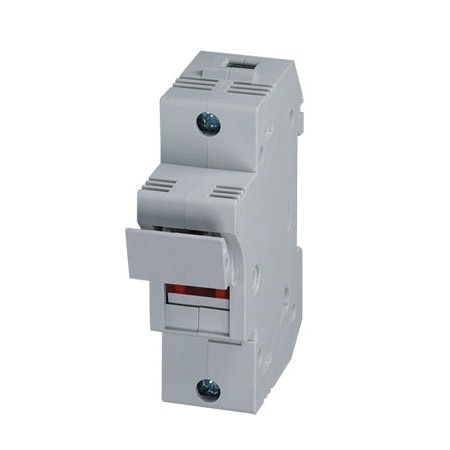
For instance, OMEGA ASK-6-1 and ASK-6-3I DIN rail fuse holders show how circuit protection can be integrated into the same rail layout used for instrumentation terminations. The ASK-6-3I includes blown fuse indication, which can be useful when fast visual diagnosis is needed during maintenance. In control panels where sensor circuits or related auxiliary circuits require organized protection, this type of accessory complements a structured DIN rail architecture.
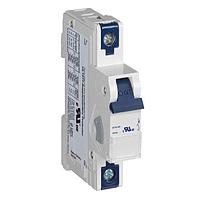
Similarly, OMEGA AU-3D series DIN rail mount circuit breakers, available in ratings such as 13 A, 20 A, 32 A, 40 A, 50 A, and 60 A, reflect how rail-mounted devices are used to build modular electrical systems. While a circuit breaker is not a temperature sensor connector, it demonstrates the same design logic: standardized mounting, accessible service points, and efficient use of enclosure space.
Benefits for panel builders, integrators, and maintenance teams
A well-planned DIN rail connection strategy supports several operational advantages. First, it improves wiring clarity by creating defined termination points for sensor leads. Second, it can shorten service time because technicians can identify and access circuits more quickly. Third, it helps keep panel layouts consistent across repeat builds or multi-cabinet systems.
For panel builders and system integrators, consistency is a major benefit. Reusable rail-mounted layouts can reduce assembly variation from project to project. For maintenance teams, clearly arranged connection points and accessory devices such as fuse holders or breakers can simplify fault isolation and planned upgrades.
How DIN rail connector layouts support expandability
As machines and process systems evolve, temperature measurement requirements often grow with them. Additional sensing points may be added for tighter process control, validation, or condition monitoring. DIN rail connection systems make these upgrades easier because they are inherently modular and can be extended section by section.
In projects where signal routing becomes more complex, users may also explore complementary connection solutions such as multi-pin connectors, pins and sockets for grouped connections between subassemblies. Used thoughtfully, these related connector types can work alongside DIN rail mounting to create a more organized and maintainable sensor network.
Applications where this category is especially relevant
DIN Rail Connectors are a practical fit for industrial control panels, process instrumentation enclosures, test systems, utility cabinets, and OEM machinery where temperature sensing circuits need orderly terminations. They are also useful in retrofit work, where existing panels require added measurement points without a complete redesign of the wiring layout.
Wherever sensor wiring must be documented, serviced, and expanded over time, a DIN rail format offers a sensible foundation. It aligns well with common industrial enclosure practices and helps bridge the gap between field sensors and the rest of the control architecture.
Final thoughts
Choosing connectors for temperature sensor wiring is not only about making an electrical connection; it is also about creating a panel that remains understandable and serviceable after installation. DIN rail mounted connection systems are valuable because they support modular panel design, cleaner routing, and easier maintenance within demanding industrial environments.
If your application involves structured enclosure wiring, multiple sensor channels, or future system expansion, this category offers a practical starting point. Reviewing the connector layout together with related rail-mounted protection and connection hardware can help you build a temperature measurement system that is both organized and easier to maintain over time.
Get exclusive volume discounts, bulk pricing updates, and new product alerts delivered directly to your inbox.
By subscribing, you agree to our Terms of Service and Privacy Policy.
Direct access to our certified experts