Bug, Spy Detectors and eavesdropping devices
Finding hidden transmitters or identifying suspicious RF activity usually requires more than a simple handheld detector. In professional inspections, security teams, investigators, and technical specialists often need equipment that can help them sweep a room, verify wireless activity, and narrow down potential sources of covert transmission. This category brings together tools used for counter-surveillance, RF detection, wireless signal monitoring, and non-linear junction detection in a practical B2B context.
What this category is used for
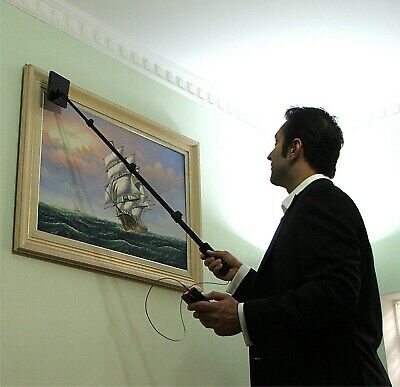
Bug, spy detectors and eavesdropping devices are typically used in technical security sweeps, room inspections, vehicle checks, and site assessments where unauthorized wireless transmission or concealed electronics may be a concern. Depending on the task, users may need to detect active RF signals, monitor cellular and Wi-Fi activity, or locate hidden electronic components even when they are not transmitting.
That is why this category includes more than one device type. Some instruments focus on wideband RF detection, some work as activity monitors for cellular and wireless bands, while others are designed for advanced inspection work such as non-linear junction detection. For buyers comparing broader security equipment, this group is especially relevant where signal intelligence at short range and physical search capability are required.
Main equipment types in this range
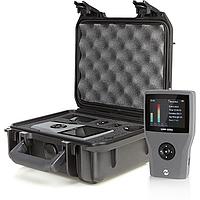
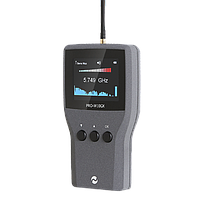
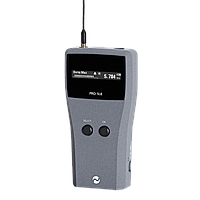
A practical technical sweep often starts with a wideband RF detector. Devices such as the JJNdigital PRO-W12DX, PRO-W10GX, and PRO-SL8 are intended to help users identify signal presence across a broad frequency range. These tools are useful when the objective is to quickly scan for suspicious emissions and observe changes in signal strength while moving through an environment.
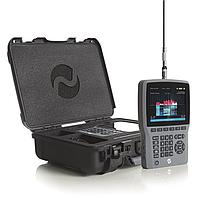
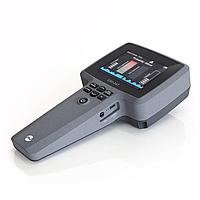
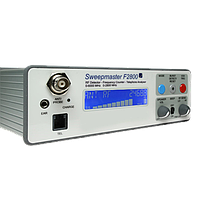
For more detailed RF observation, a handheld spectrum analyzer can offer greater visibility into the surrounding signal environment. The JJNdigital HSA-Q1 Handheld RF Spectrum Analyser is an example of equipment suited to users who need sweep capability, waterfall display, and tune-and-listen functionality to investigate detected signals more closely.
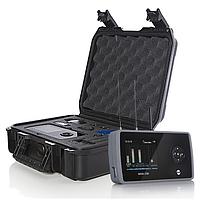
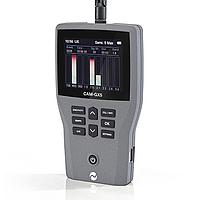
Another important group is the wireless activity monitor. Products such as the JJNdigital WAM-X10, WAM-X25, CAM-GX5, and CAM-105w are relevant when the goal is to watch for cellular, Wi-Fi, Bluetooth, or other wireless band activity over time. This can be useful in meeting rooms, secure offices, temporary venues, or field inspections where event logging and trend observation matter.
When non-linear junction detection is the better choice
RF-only methods are effective when a concealed device is transmitting, but they may not be enough if the target is dormant, shielded, or scheduled to transmit only occasionally. In those cases, a non-linear junction detector can play a different role by helping locate electronic circuitry itself rather than relying only on live emissions.
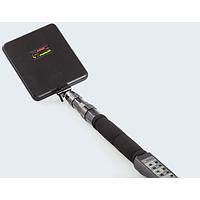
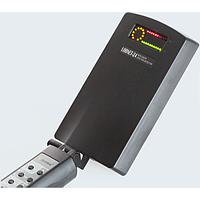
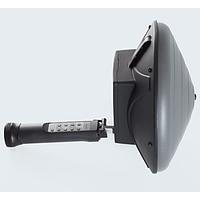
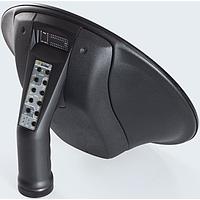
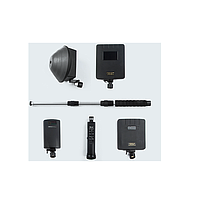
The JJNdigital EDD-24XT and the ELVIRA Lornet Star Star Nonlinear locator illustrate this approach. These tools are more aligned with physical search workflows, where inspectors need to examine furniture, walls, fixtures, vehicles, or other objects for hidden electronic components. For organizations performing higher-level TSCM or inspection work, this type of instrument is often considered alongside RF detection rather than as a replacement for it.
Representative products and where they fit
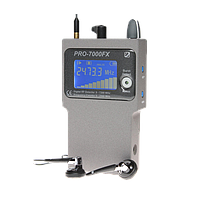
The product mix in this category supports different inspection depths and operating styles. Compact devices such as the JJN Digital PRO7000FX Professional Digital Pocket Bug Detector or the PRO-SL8 are suitable where portability matters and users need a fast first-pass sweep. These are often considered for mobile teams, routine room checks, and initial screening.
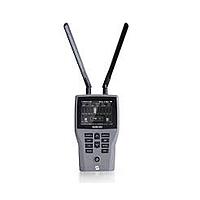
Mid-range and advanced tools add broader frequency coverage, event memory, display features, and more structured signal analysis. The JJNdigital PRO-W12DX and PRO-W10GX fit this need when users want a more capable handheld detector, while the HSA-Q1 is better suited to users who want to inspect the RF environment with more analytical detail.
For longer observation windows, activity monitors such as the WAM-X10 and WAM-X25 help track wireless behavior instead of only giving an instant reading. In cases where cellular-specific monitoring is enough, CAM-series devices such as the CAM-GX5 and CAM-105w may be more aligned with the application. For broader inspection workflows related to surveillance threats, buyers may also review UVSS systems when vehicle inspection is part of the same security process.
How to choose the right device
The first selection factor is the inspection objective. If the main task is to discover whether there is suspicious RF transmission in a room, a wideband detector or handheld spectrum analyzer is usually the logical starting point. If the requirement is to monitor band activity over time and keep a record of events, a wireless or cellular activity monitor may be more useful.
The second factor is the type of target. A transmitting bug, active wireless camera, or unauthorized hotspot may be found through RF monitoring, but dormant electronics often require non-linear junction detection. This distinction matters because many procurement decisions fail when buyers expect one tool to handle every inspection scenario equally well.
Other practical criteria include frequency coverage, portability, operating time, logging capability, display readability, antenna configuration, and whether audio demodulation or frequency tuning is needed during investigations. Teams that carry out systematic site sweeps may also need to compare this category with related solutions such as explosive and liquid detection equipment when building a broader security screening setup.
Typical users and application environments
This category is relevant for corporate security departments, law enforcement support teams, government users, private investigators, facility protection contractors, and technical inspection specialists. It is also applicable in hospitality, executive protection, secure meeting areas, critical infrastructure sites, and temporary command or event spaces where confidential communication must be protected.
In practice, the workflow often combines several layers: a rapid sweep with a handheld detector, targeted investigation with a spectrum analyzer or activity monitor, and physical confirmation using a non-linear junction detector when necessary. That layered approach is often more realistic than relying on a single device, especially in environments with dense legitimate wireless traffic.
Why product comparison matters in this category
Even when devices appear similar on paper, their intended use can differ significantly. Some are designed for quick field sweeps, some for event logging and ongoing observation, and some for specialized detection of concealed electronics. Comparing products by actual inspection workflow is more useful than comparing frequency range alone.
For example, a compact detector may be ideal for fast screening, while a model with logging and graphical display may better support evidence collection or repeatable technical checks. Meanwhile, advanced non-linear junction detectors are usually chosen for higher-sensitivity physical searches rather than general RF monitoring. Understanding these differences helps buyers shortlist equipment more efficiently and avoid overbuying or under-specifying.
Final considerations before purchase
Choosing from this category depends on whether you need a fast portable detector, a more analytical RF tool, a wireless activity monitor, or a specialist locator for hidden electronics. The available range from JJNdigital and ELVIRA supports several inspection levels, from routine room checks to more advanced technical counter-surveillance work.
If your application includes secure facilities, confidential meeting spaces, inspection teams, or investigative field use, this category provides a practical starting point for building the right detection workflow. A clear view of your target environment, threat model, and inspection method will make it easier to select the most appropriate equipment for reliable day-to-day use.
Get exclusive volume discounts, bulk pricing updates, and new product alerts delivered directly to your inbox.
By subscribing, you agree to our Terms of Service and Privacy Policy.
Direct access to our certified experts